
Vinyl Printing Best Comparison Guide vs Traditional Printing
Compare methods for the same garment job
A one-off player name and a repeated club logo are different production problems. Garment heat-transfer vinyl may suit one while screen printing may suit the other. The useful comparison is the actual artwork, fabric, quantity, finish and preparation time.
“Traditional printing” covers several processes, so this article focuses on garment HTV versus textile screen printing. Offset packaging and self-adhesive window vinyl belong to different comparisons. There is no universal winner or fixed order quantity where one method always becomes cheaper.
Chat with our team for printers, consumables, film, powder and business setup guidance.

What is garment vinyl printing?
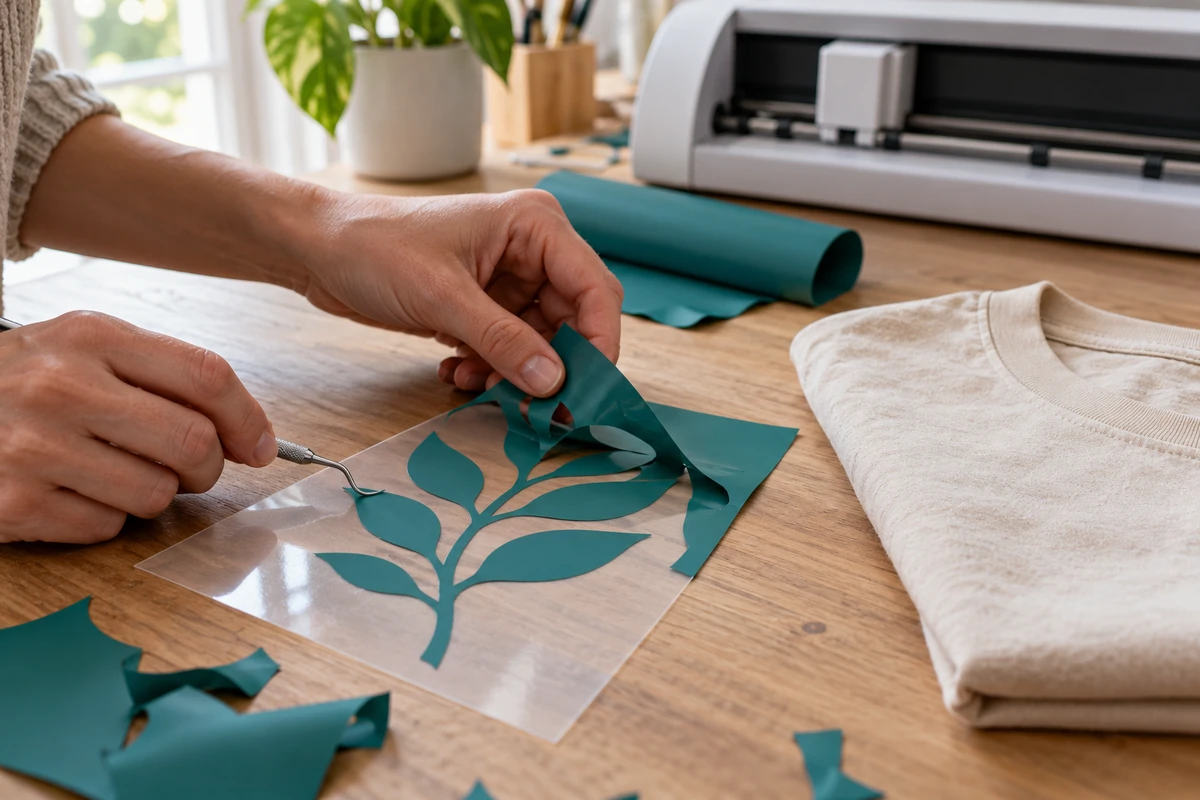
With cut garment heat-transfer vinyl, or HTV, a design is cut from an approved material, unwanted areas are weeded away and the remaining shape is heat-applied to suitable fabric. It can be useful for names, numbers and simple logos.
Printable HTV needs a compatible print system and its own media instructions. It should not be confused with ordinary cut HTV, garment DTF PET film or self-adhesive signage vinyl.
What is textile screen printing?
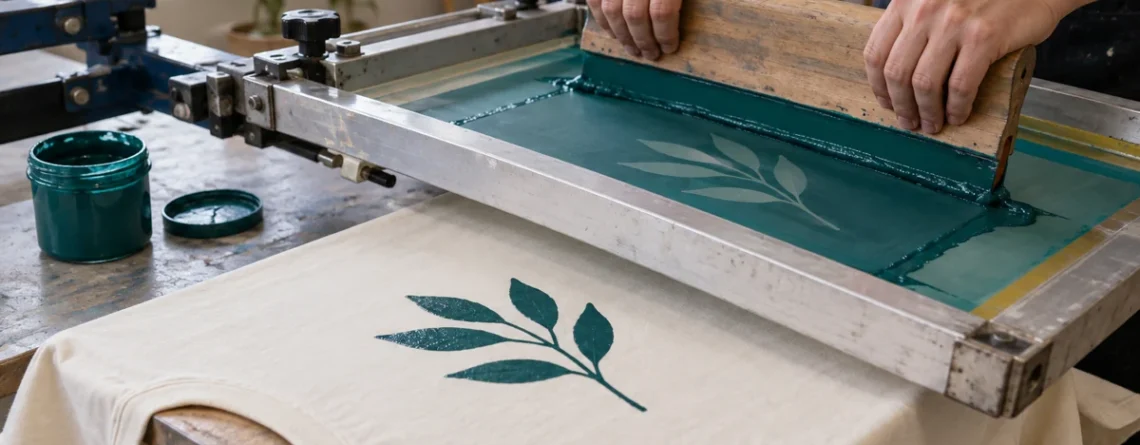
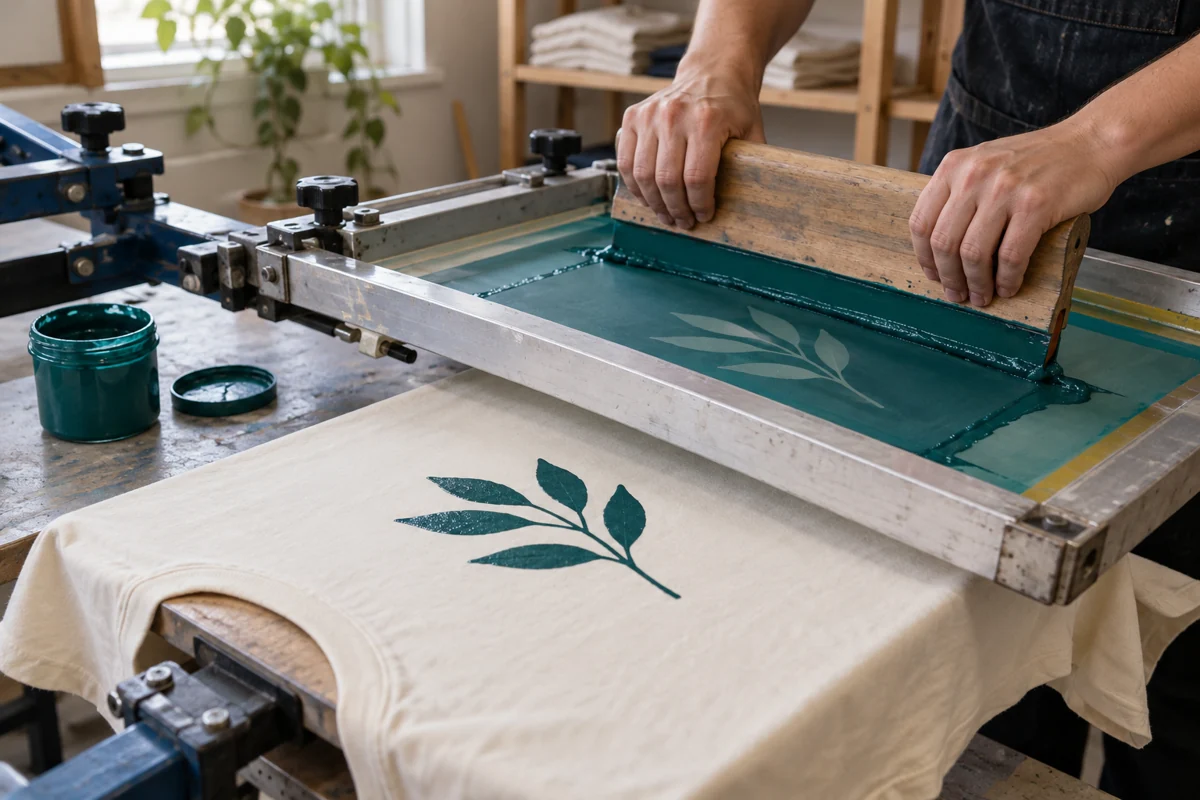
Screen printing uses a stencil in a mesh screen to deposit a suitable ink onto the garment. The setup includes artwork separation where needed, screen preparation and registration. The printed ink then needs the specified cure process.
A repeated design can make that setup worthwhile. Screen printing can also reproduce detailed or multicolour work when the artwork, screens, ink and skill support it; it is not limited to a few simple flat shapes.
Compare the workflow
Artwork → test cut → cut → weed → position → press → specified peel.
Measure preparation for every individual design and colour.
Artwork → prepare screens → register → print → specified cure → inspect.
Measure the setup and the accepted output across the run.
Compare compatible samples at the same design size. Do not rank methods using an unrelated fabric or print area.
Minimum order quantities are also business policies, not universal technical limits. A shop may accept a small screen-print job at an appropriate setup price, while a complex HTV design can take substantial time even for one shirt.
Where cut HTV can be useful
HTV is worth comparing for individual names, numbers, simple shapes and particular surface effects. It avoids preparing a separate screen for each changing name. However, weeding, multiple colours, fine detail and large print coverage can increase labour or affect the feel.
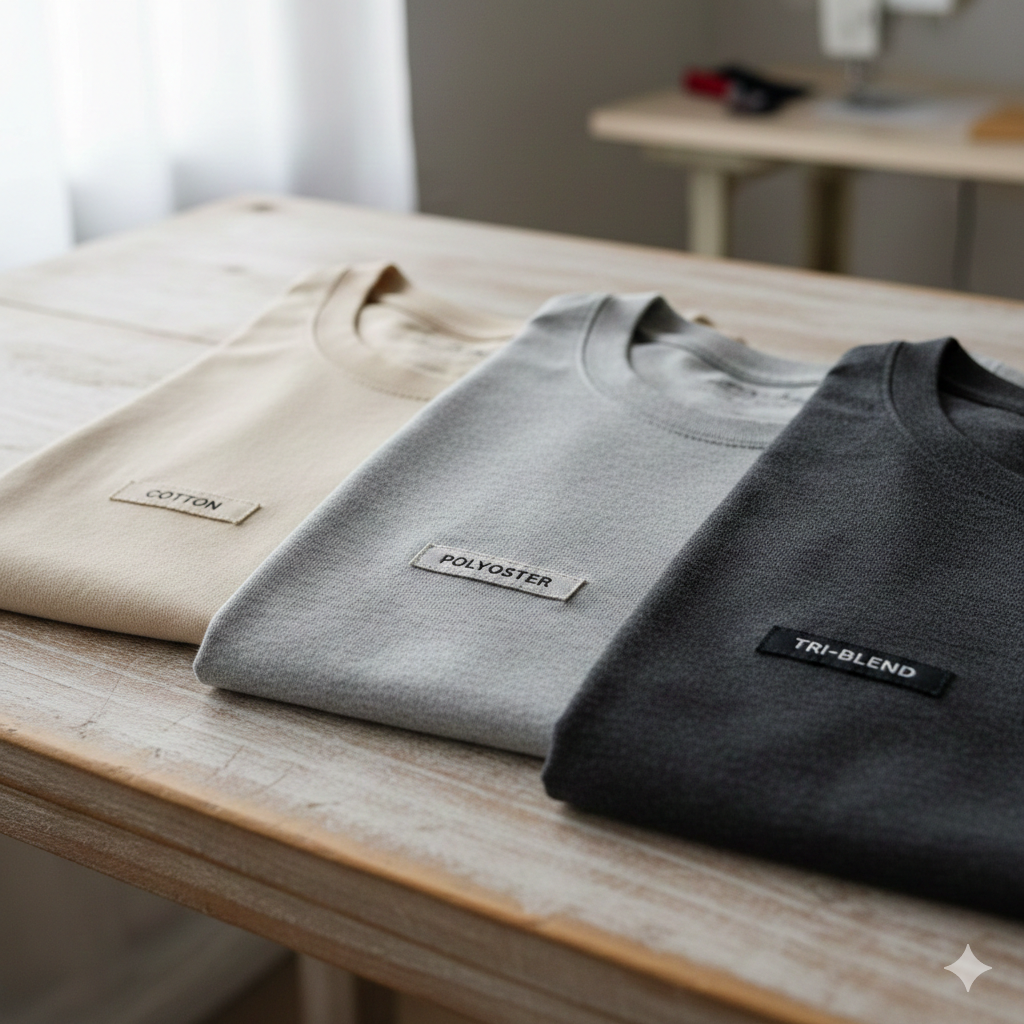
Check the actual product’s fabric approval. Cotton, polyester, nylon, coated garments and stretch blends are not interchangeable substrates. Some need a particular formulation or may be unsuitable for the chosen material.
Where screen printing can be useful
Screen printing can suit repeated artwork when the run supports the preparation effort. Ink formulation, underbase, mesh and deposit influence opacity, detail and feel. It is not automatically softer, faster or more durable for every design.
Changing artwork or colours can add preparation and registration work. Compare that effort with the per-piece work of cutting and weeding the equivalent HTV design.

Cost the complete job
For both methods, include artwork preparation, equipment use, consumables, labour, trial work, rejected pieces and packing. For HTV, measure material waste and weeding time. For screen printing, include screen preparation, registration, print passes, curing and cleanup.
A fixed rule such as “vinyl below fifty pieces, screen printing above fifty” can miss the real job. A tiny one-colour logo, an individually named jersey and a large multicolour image have different preparation and production needs.
For garment HTV equipment, compare the usable area of a 15 × 15 inch heat press or 16 × 24 inch heat press with the actual artwork. These are equipment references, not a guarantee of transfer compatibility or cost per piece.
Use cases to compare
- Player names on compatible jerseys: cut HTV may be useful, but approve the material, dye and heat response.
- A repeated club or event logo: compare screen setup and accepted output with the equivalent transfer workflow.
- A photographic image: assess the actual printable or digital process rather than assuming ordinary cut HTV can reproduce it.
- A mixed order: a repeated logo and individual names may use different methods, provided the combined processing is compatible.
Validate quality and durability on the sample
There is no universal sixty-to-eighty-wash guarantee for vinyl printing. HTV performance depends on the material, fabric, application and care. Screen-print performance depends on the ink, garment, preparation and cure. A label such as “traditional” does not determine either result.
Inspect colour, detail, feel, adhesion and stretch as appropriate. Complete the product’s required conditioning and relevant care tests, then give the customer instructions for both the garment and decoration. Keep the approved sample as a reference.
A practical selection check
- Identify the exact garment, design size, quantity and personalisation.
- Choose materials and processes approved for that fabric and finish.
- Prepare comparable samples and record their complete production time.
- Compare accepted output, cost and the customer’s preferred feel.
- Save the approved artwork, settings and care instructions for the order.
Choose by the order, not a blanket ranking
Garment HTV and screen printing are useful tools for different production needs. Compare a complete, compatible job and a tested sample before deciding. That gives a stronger basis than fixed quantity cutoffs, star ratings or unverified wash-life claims.
For more detail, see the beginner garment-vinyl workflow and the ink-and-fabric guide. Siser’s HTV instructions illustrate why application and care depend on the exact material.


LEAVE A COMMENT