
Use an available credit card or digital payment method for automated payment proof, confirmation, invoice and order processing.
No 7.5% prepaid discount above ₹10,000. GST, payment fee and weight-based shipping apply as applicable.-14%




15×15 Inch Heat Press Machine – Heavy-Duty Swing/Clamshell Heat Transfer Press | ProlificGeeks / DTFShop.in
Original price was: ₹14,000.00.₹12,000.00Current price is: ₹12,000.00.
Reviews
2 customer reviews
Add review
Availability
In stock
Ready to order
DTFShop benefit
Save up to 14.3%
Product-price saving only; no prepaid discount above ₹10,000
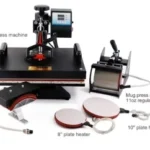
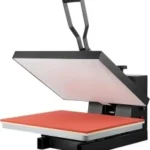
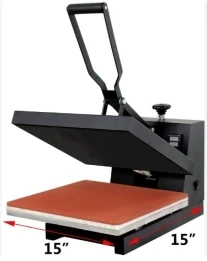
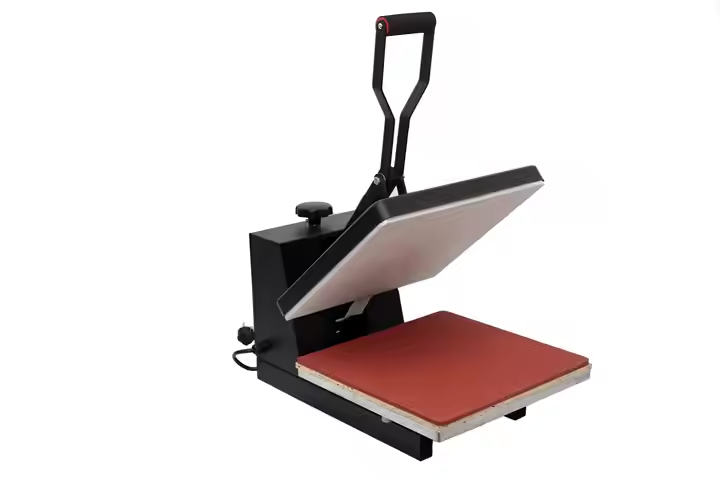
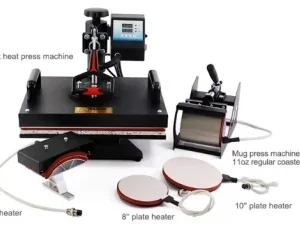
15×15 Inch Heat Press is a 15×15-inch heat-press machine. The platen format suits transfer work that fits inside the usable pressing area.
15×15 Inch Heat Press is a 15×15-inch heat-press machine. The platen format suits transfer work that fits inside the usable pressing area. The final result depends on even contact, dwell time and the transfer material, not platen size alone.
What you receive for the listed price
- The named machine or conversion configuration selected on this product page.
- Unlisted accessories, starter-consumable quantities, installation services and warranty terms are not included by implication; these package details still require a written itemisation.
Applicable taxes and shipping, where relevant, are shown at checkout. Gallery guides and demonstration equipment explain use; they are not additional supplied items.
GST invoice available / Shipping calculated at checkout / Product support
Payment Options
Order online with automated confirmation and flexible payment choices
Choose prepaid, COD where available, credit card, digital payment or eligible EMI assistance.
For high-value products, our team may verify your order, address and delivery possibility before dispatch.
COD availability depends on product, location and order confirmation.We can assist with EMI or credit-card payment link options where available.
Ask on WhatsApp
✓ Automated order confirmation and digital payment proof
✓ COD option where available and approved
✓ Credit-card, digital-payment and eligible EMI choices
✓ GST invoice, tracking and WhatsApp updates
✓ Eligible purchase rewards and promotional coupons by email
Note:
EMI may be available up to ₹5,00,000, subject to bank/card eligibility. Available payment methods are confirmed at checkout.
Frequently bought together
Ask expert
Complete your setup
Useful add-ons commonly paired with this product. Choose only what you need.
- Description
- Additional information
- Reviews (2)
Description
15×15 Inch Heat Press — Overview and practical use
15×15 Inch Heat Press is a 15×15-inch heat-press machine. The platen format suits transfer work that fits inside the usable pressing area. The final result depends on even contact, dwell time and the transfer material, not platen size alone.
What you receive for the listed price
- The named machine or conversion configuration selected on this product page.
- Unlisted accessories, starter-consumable quantities, installation services and warranty terms are not included by implication; these package details still require a written itemisation.
Applicable taxes and shipping, where relevant, are shown at checkout. Gallery guides and demonstration equipment explain use; they are not additional supplied items.

Heat, dwell time and even contact
Transfer performance depends on the combination of time, temperature and pressure appropriate to the chosen transfer and substrate. The platen must contact the design consistently. Seams, buttons and uneven garment thickness can prevent that contact even when the temperature display looks correct.
Daily use and practical checks
When working with 15×15 Inch Heat Press, place seams, collars and bulky garment features outside the design area where possible. A raised seam can divert pressure away from part of the transfer.
A controlled pressing routine
For 15×15 Inch Heat Press, use the transfer supplier's settings as the starting point and evaluate the finished sample. Keep the surface clean and use the recommended protective materials. The appropriate temperature and dwell time differ between films, fabrics and coated blanks.
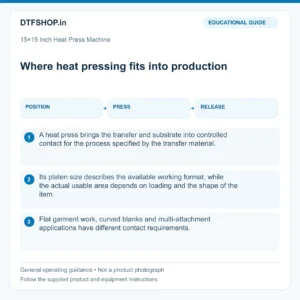
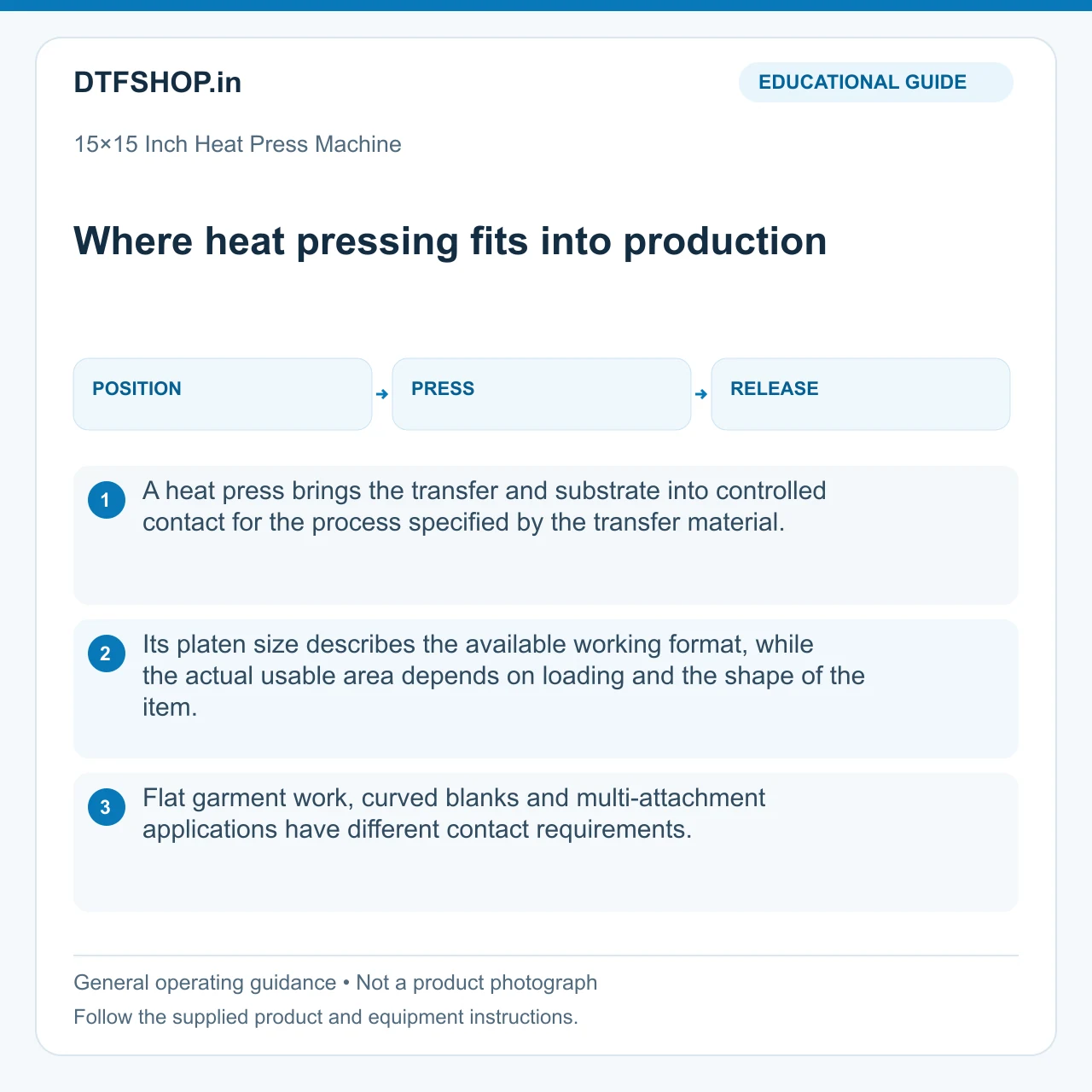
Where heat pressing fits into production
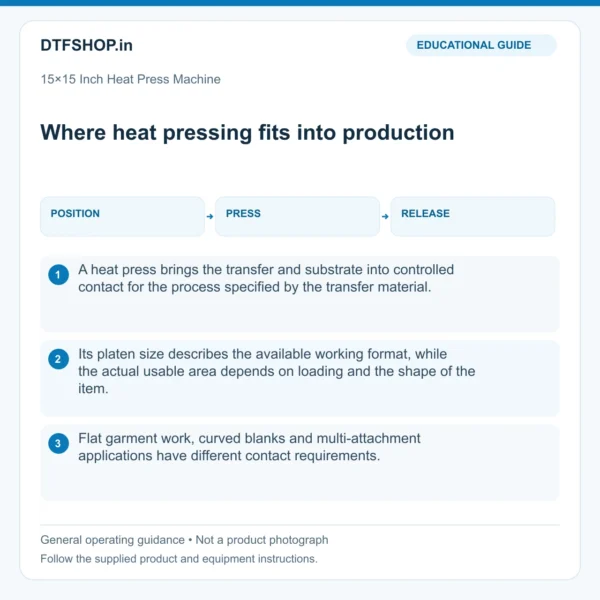
A heat press brings the transfer and substrate into controlled contact for the process specified by the transfer material. Its platen size describes the available working format, while the actual usable area depends on loading and the shape of the item. Flat garment work, curved blanks and multi-attachment applications have different contact requirements.
The configuration described above identifies this item's role in that arrangement. A consistent press stage helps preserve the work already completed during artwork preparation, printing and curing. It is therefore worth treating garment placement and pressing discipline as production steps in their own right.
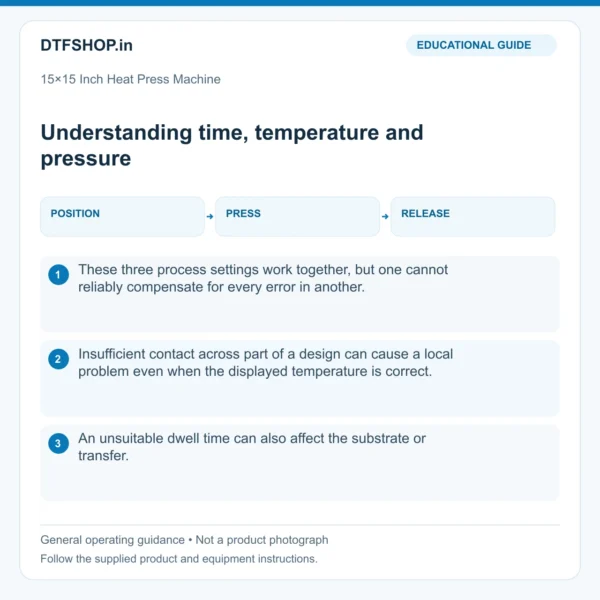
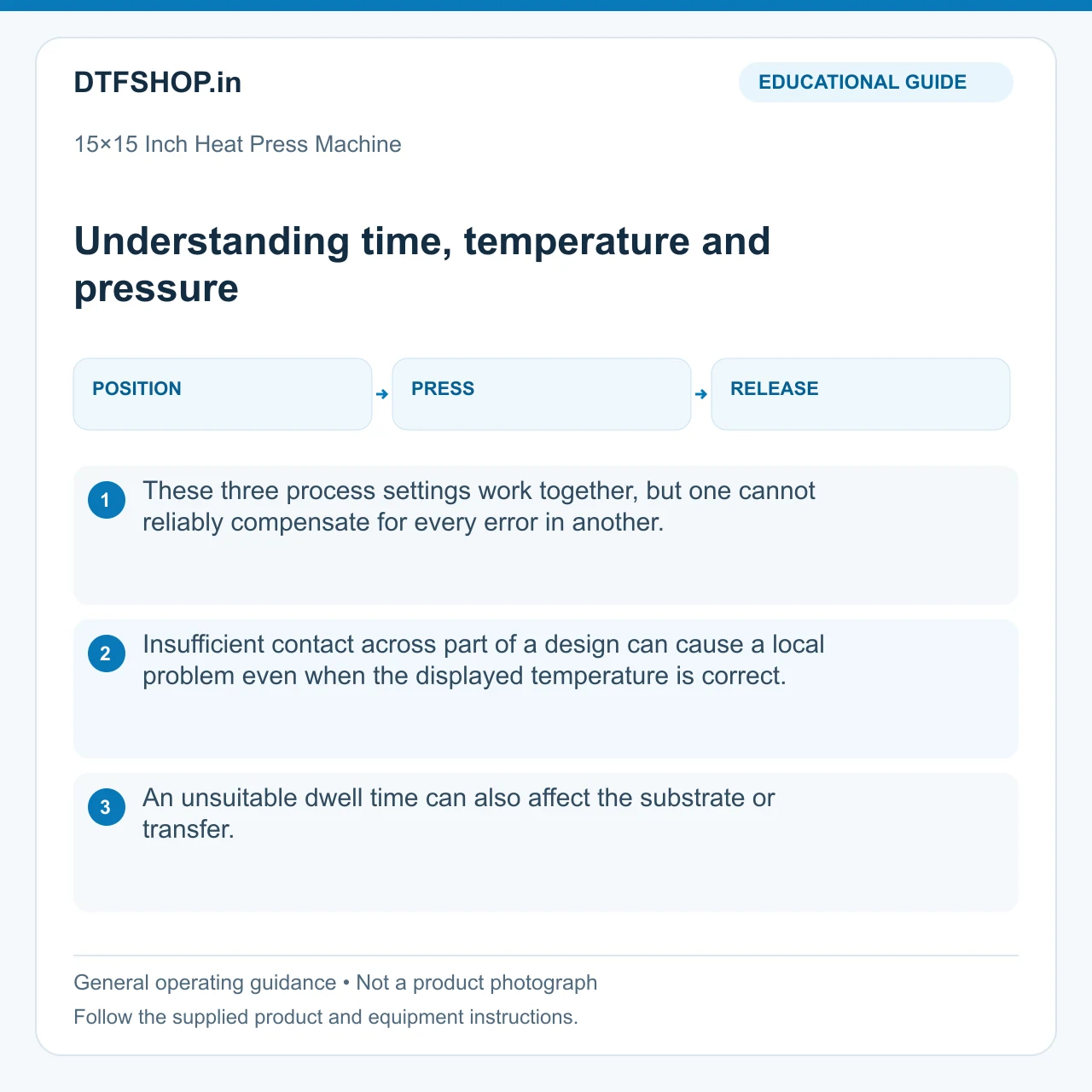
Understanding time, temperature and pressure
These three process settings work together, but one cannot reliably compensate for every error in another. Insufficient contact across part of a design can cause a local problem even when the displayed temperature is correct. An unsuitable dwell time can also affect the substrate or transfer.
Use the transfer and blank supplier's process guidance as the starting point and adjust only through a controlled sample procedure. Different film, powder, fabric and coated-blank combinations may require different recipes. Keep those recipes separate instead of applying one familiar setting to every material that enters the workshop.
Loading the garment or blank evenly
Lay the item so the intended transfer area has stable support and lies naturally against the pressing surface. Seams, collars, buttons, zips and bulky edges can divert pressure away from the design. Use the appropriate platen, pad or attachment for the job and avoid pulling the material out of shape during positioning.
Check the artwork location before closing the press. A consistent placement reference helps repeat orders look uniform and reduces rework. On large designs, pay attention to the edges and corners as well as the centre, because a small test logo may not reveal a full-area contact difference.
Transfer handling and release sequence
The film or paper supplier's application sequence remains important after the press opens. Some materials require a specific cooling stage, release method or finishing operation. Keep the carrier stable until that stage is reached and remove it in the intended manner. A protective sheet should be suitable for the process and kept clean between jobs.
Hardened residue or debris on the pressing surface can affect appearance and contact on the next item. Evaluate the finished sample after its normal handling stage, rather than deciding that the transfer is successful simply because it looks flat immediately after pressing.
Setting up the equipment responsibly
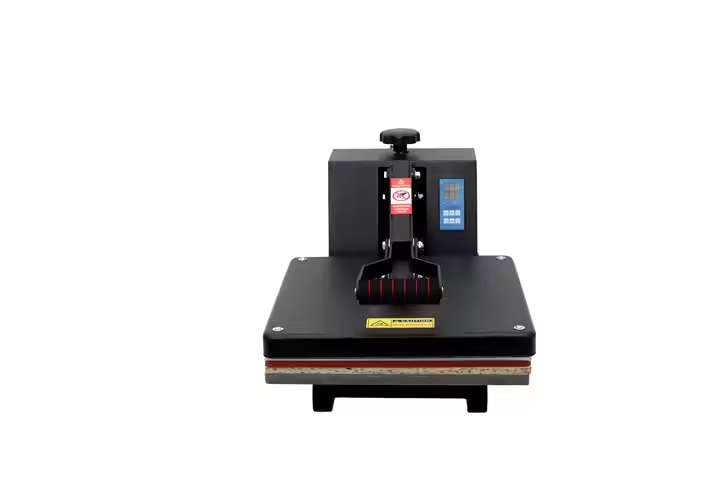
Use the machine instructions for installation, electrical supply, clearances and safe operating practice. Pneumatic equipment also needs its specified air arrangement and service procedure. Keep the closing area clear, organise loading so hands do not enter a moving mechanism, and retain the supplied safety features. Pads and accessories should be positioned as intended and inspected for damage or permanent distortion.
The temperature display is a control reference; the appropriate equipment checks establish whether the press is behaving consistently. Any service involving electrical controls, heating circuits or pneumatic assemblies belongs with a suitably experienced technician.
Keeping repeat transfers consistent
Retain one accepted sample together with the transfer identity, substrate and pressing recipe. Include placement notes and the attachment or pad used, especially where several operators share the equipment. If a defect appears, separate contact problems from material, printing or curing problems before changing every setting.
Check the same representative design again after an adjustment. For an adhesion or durability assessment, use the appropriate finished-product procedure and allow the specified handling time. This provides a practical basis for production confidence: a repeatable result from the complete process, rather than a universal temperature claim or an assumption based only on platen size.
Recommended Add-ons from DTFShop
To complete the workflow, you may also check these related DTFShop products when they match your machine or printing process:
Product video guides
Setup / operation reference
Heat press: step-by-step tutorial
InkSonic heat press tutorial. Platen size and controls may differ; use the actual machine manual.
Source: InkSonic (external manufacturer)
Watch on YouTubeReference videos explain a method or related model. They do not certify your supplied machine, consumable batch or print results. Follow the exact product manual and recommended settings.
Practical questions
What is a useful production demonstration?
Use artwork and materials similar to the jobs you intend to sell. Inspect finished output, setup time and the downstream processing stage. Head count or nominal width alone does not establish usable production speed at your required quality.
What should the operator save for repeat jobs?
Keep the artwork version, print preset, material identity and approved finished sample together. Record routine maintenance and any setup changes. A known reference job helps distinguish a file change from a transport, ink or calibration problem.
What is included with 15×15 Inch Heat Press?
The package-contents section above lists the supplied item and quantity. Choose the stated option when alternatives are available; a gallery showing several examples does not turn one selected option into a combined set.
Additional information
| Weight | 30 kg |
|---|---|
| Dimensions | 80 × 55 × 45 cm |


Suresh Kumar –
Excellent build quality. Solved our production bottleneck instantly. Highly recommended for commercial print environments.
Manish Tiwari –
Very reliable over long production runs. Colors are accurate and consistency remains solid throughout the week.