
Vinyl Printing – Ultimate Reason Indian Printers Prefer It for T-Shirts
Introduction
A customer needs one extra name on a jersey. Another wants a short run of staff shirts with a simple logo. Garment heat-transfer vinyl can be useful for jobs like these, where personalisation matters more than a large repeated print run.
This article explains why vinyl printing can be a practical option for an Indian garment-printing shop. It is not a national market survey, and there is no single process that guarantees the best profit or delivery time for every order. Choose the method after checking the design, fabric, quantity and finishing requirements.
Chat with our team for printers, consumables, film, powder and business setup guidance.
What is garment vinyl printing?
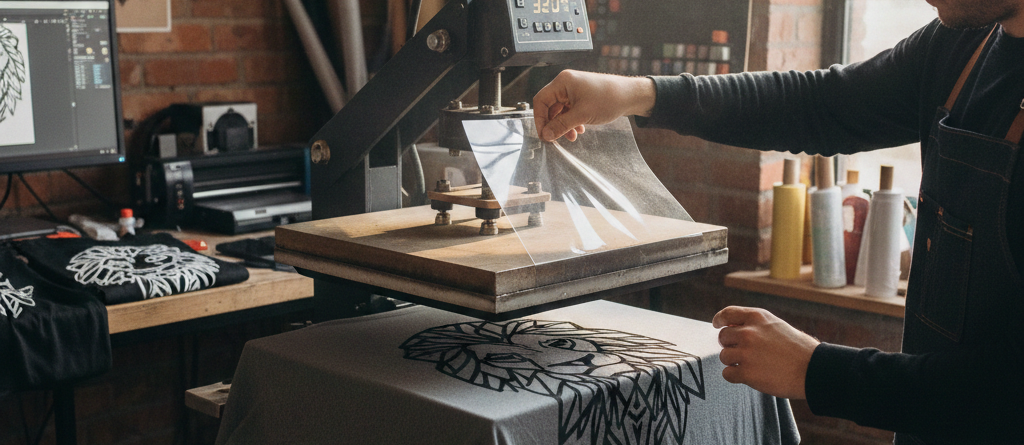
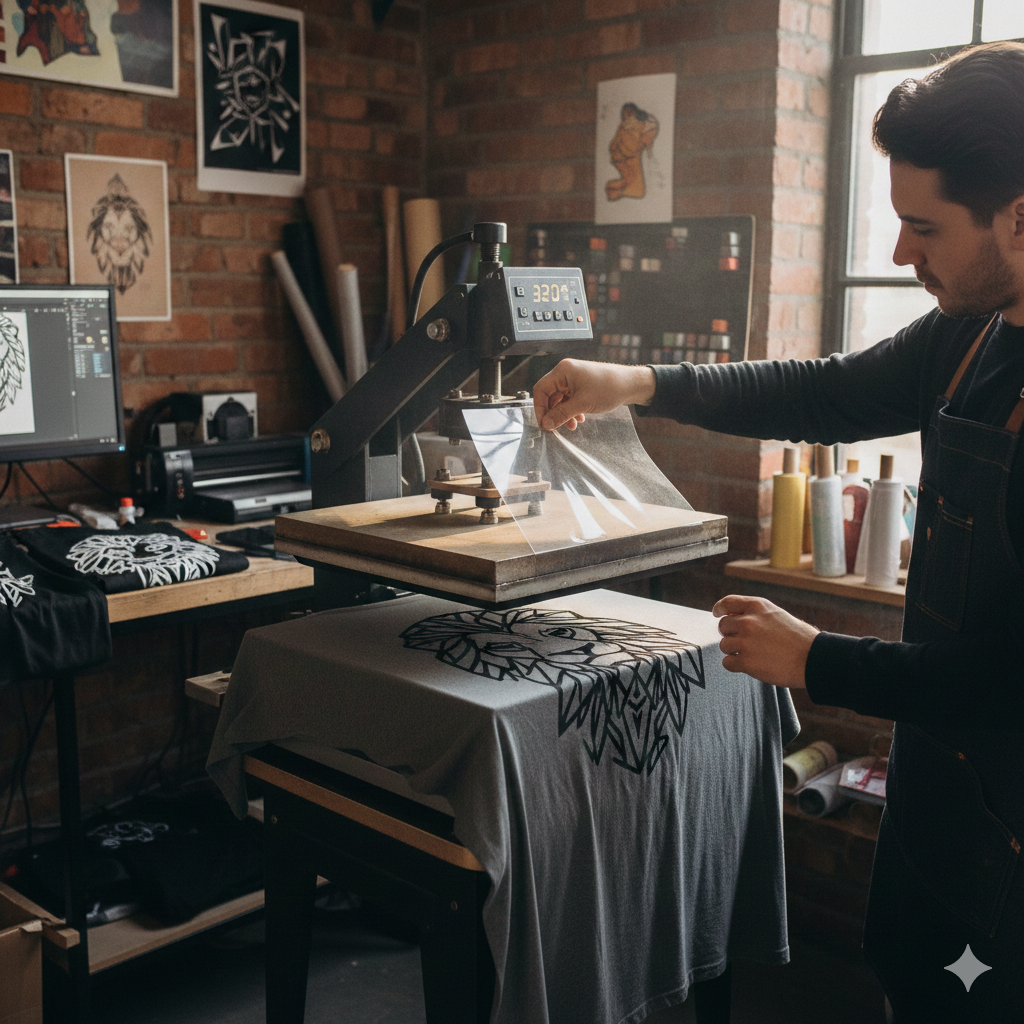
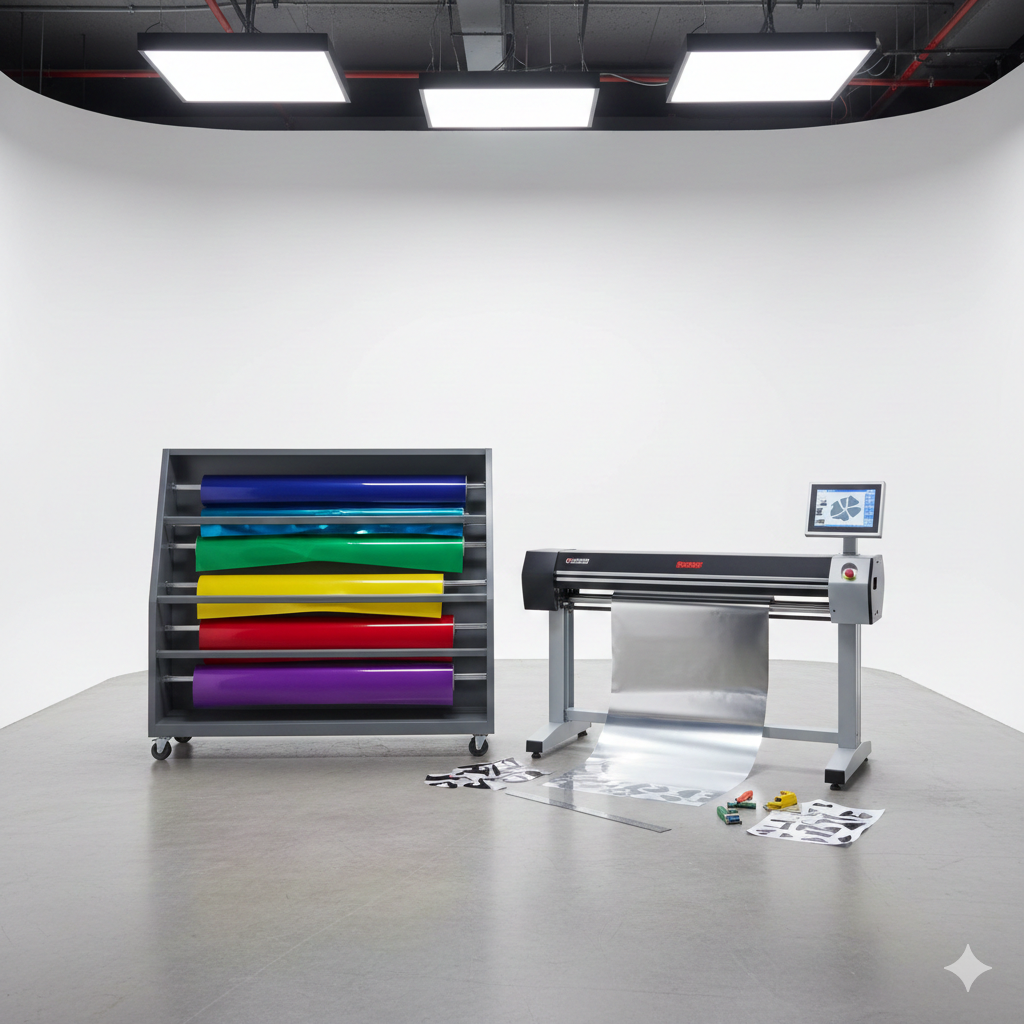
For T-shirts, “vinyl printing” often refers to garment heat-transfer vinyl, or HTV. With cut HTV, you cut a design from a suitable coloured material, remove the excess and heat-apply the remaining design to compatible fabric. Printable HTV is a different branch that needs a compatible printer, ink and media workflow.
Self-adhesive window or sign vinyl is not garment HTV. Nor is a sheet of DTF PET film a substitute for cut HTV. Identify the material before putting it into a cutter or heat press.
- Prepare clean artwork with the size and orientation required for that HTV.
- Test the cut on a small piece and weed away unwanted material.
- Position the design on a compatible garment.
- Apply the specified time, temperature and pressure, then peel at the specified stage.

Where the other methods fit
Screen printing can suit repeated designs when setup is justified by the job. Garment DTF can be useful for compatible full-colour transfers. DTG prints directly onto a suitable garment using its approved process. Standard sublimation is usually considered for suitable light polyester or other receptive blanks.
Cut HTV is often worth comparing for names, numbers and simple shapes. Full-colour photographs or a design containing hundreds of tiny separate pieces may favour another workflow. None of these methods has unlimited detail, universal fabric compatibility or a fixed speed regardless of artwork.
Jobs that can suit HTV
Personalised sports names, event shirts and small staff-uniform additions can be sensible HTV enquiries. The attraction is the ability to prepare a small number of individual designs without creating a separate screen for every name.
That does not mean every job is quick or inexpensive. Artwork cleanup, colour changes, weeding, positioning, pressing and rejected samples all take time. Time a trial version of the actual design before promising same-day delivery.
Advantages to verify in your own samples
HTV offers useful choices in colour and surface effect. A suitable product can create a clear name or number with a defined finish. However, stretch, layering, wash care and fabric suitability depend on the particular material.
A metallic, glitter or puff product can need a different process from a basic garment vinyl. Do not promise fifty washes, zero cracking or a guaranteed margin without evidence for the actual combination. Show the customer a sample of the finish they will receive.
Compare the job before choosing the method
| Order detail | What to check |
|---|---|
| Individual names or numbers | Cut and weeding time, text size, fabric and layout |
| Photographic artwork | Whether a compatible full-colour print or transfer process is more suitable |
| Large repeat batch | Setup effort versus per-piece preparation and production time |
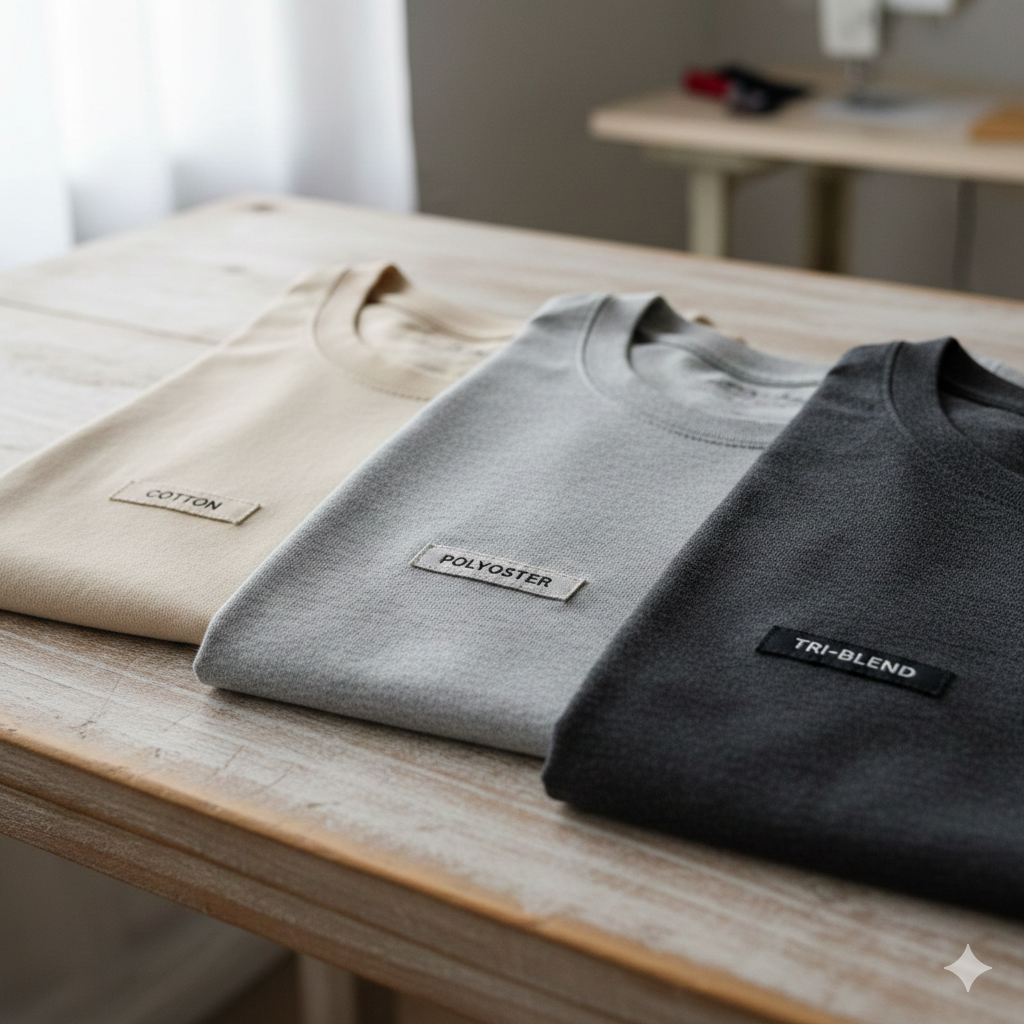
| Stretchy or dyed sports fabric | Material approval, heat sensitivity, stretch recovery and dye migration |
| Small chest logo | Minimum workable detail, placement and the desired feel |
Planning customer orders in India
Ask what matters for this enquiry: the garment, delivery deadline, number of personalised names, artwork approval, finish and care requirements. Avoid treating every Indian customer as having the same budget or design preference.
Quote the complete job. Include the material used and wasted, preparation and weeding labour, pressing, garment handling, a test piece where needed and the agreed delivery arrangement. Keep the approved spelling and layout with the order.
A reliable HTV production check
- Match: identify the actual fabric and HTV product, including any stretch or layering requirements.
- Cut: check orientation, blade setup and a small test cut before using a full sheet.
- Press: follow that material’s specified time, temperature, pressure, cover and peel method.
- Approve: inspect a sample, complete the relevant care checks and record the accepted layout and settings.
Repeat a proven process. Do not use one generic heat setting for every vinyl and garment.
A flat garment press such as the 15 × 15 inch heat press may suit smaller layouts; compare the usable platen with your design. The 16 × 24 inch heat press is another size to compare for larger work. Equipment size alone does not establish the correct settings or HTV compatibility.
Worked order examples
The following are illustrative planning examples, not verified customer case studies or income results.
- A replacement jersey name: check that the existing garment can tolerate the transfer process, confirm spelling and alignment, and test the selected HTV.
- A short staff-uniform run: approve the logo size and finish, then calculate preparation time for each colour and shirt.
- An add-on to an already decorated shirt: check both the existing decoration and the new HTV’s instructions. A second heat cycle can affect the original print.
These examples show where to ask better questions. They do not establish that switching to vinyl printing will double income or increase order value by a fixed percentage.
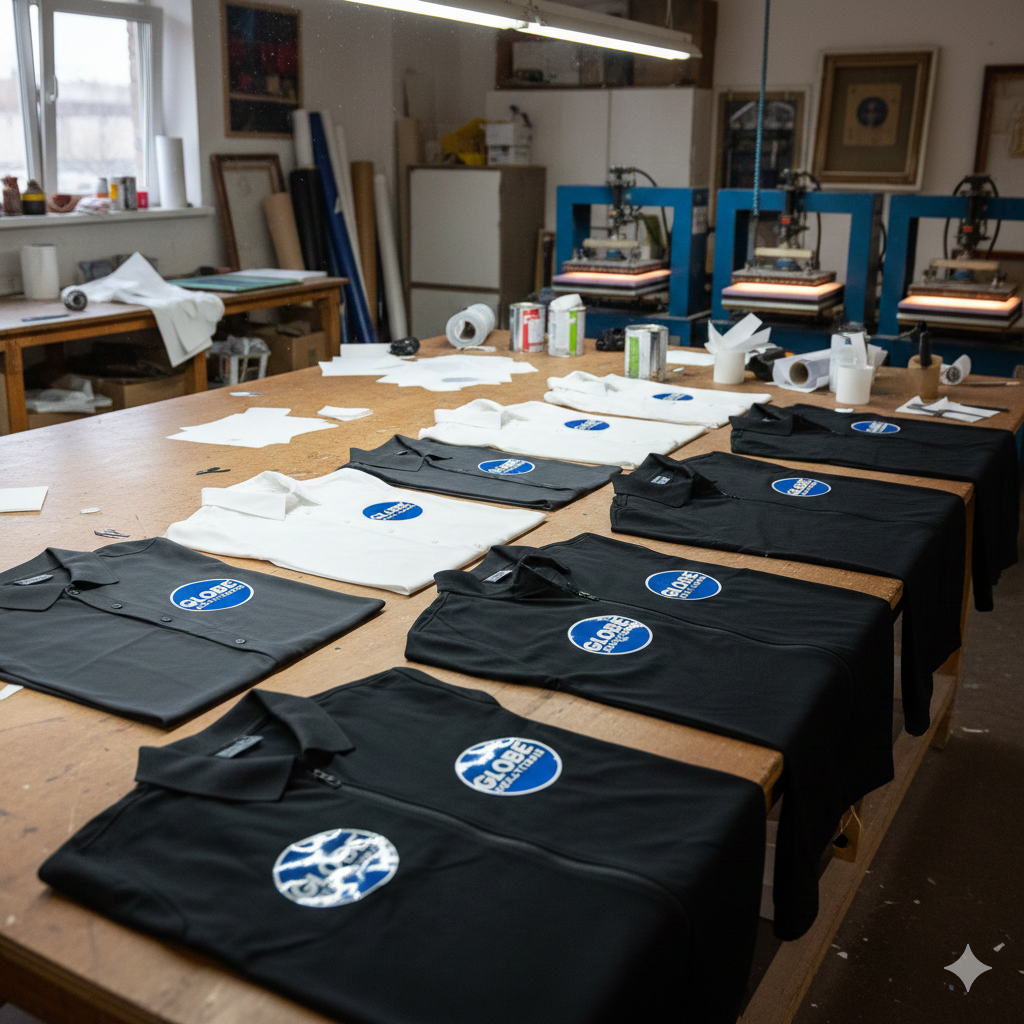
Choose HTV when it fits the order
Vinyl printing can be a useful garment service when the design, material and quantity suit it. Start with a compatible sample, record the real preparation time and agree on the finished result before production. That gives the customer a clearer expectation and makes repeat work easier.
For a broader comparison, read the DIY T-shirt printing guide or the vinyl printing FAQ. DTFShop’s contextual heat-press links above are equipment references; this article does not imply that unlisted HTV products are available in the catalogue.
Manufacturer reference
Siser’s HTV application instructions show why fabric suitability, press procedure, peeling and care are material-specific. Follow the current instructions for the exact HTV you buy.

LEAVE A COMMENT