

UV DTF printing setup cost – Ultimate Cost Breakdown Guide 2025
Understanding UV DTF printing setup cost starts with the products you want to decorate. A bottle, an acrylic gift and a large sign place different demands on usable print width, application space and production time. Compare a complete installed workflow rather than a printer price on its own.
UV DTF uses a compatible UV-curable ink and A/B transfer-film system for suitable hard-surface applications. It is different from textile DTF, which uses garment-compatible ink, adhesive powder and heat pressing. Confirm the process before ordering consumables.
Chat with our team for printers, consumables, film, powder and business setup guidance.
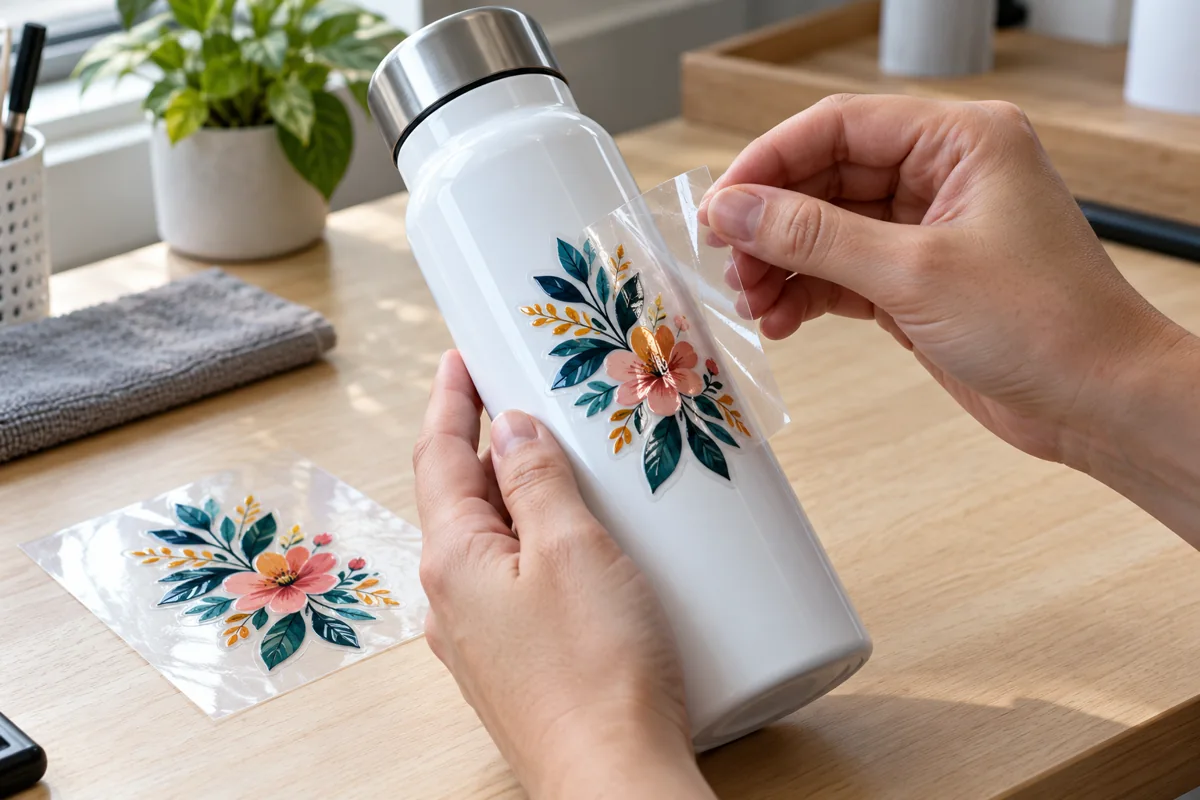
How the UV DTF workflow fits together
A suitable UV printer prints and cures the design onto its specified adhesive film. The matching carrier film is laminated according to the system instructions. The transfer is applied to the prepared object and the carrier is peeled away as specified. Surface condition, curvature and coatings can affect adhesion.
A glossy finish does not establish dishwasher safety, food-contact suitability or compatibility with clothing. Ask for a sample and care instructions for the application you plan to sell.

Build a complete quotation checklist
Request current written quotations for the same scope. An advertised starting price may exclude tax, freight, installation, software, consumables or equipment needed to prepare the site.
- Printer: usable width, head configuration, sample quality and practical output on your artwork.
- Ink: the correct ink system, bottle quantity, white ink and varnish consumption, and storage requirements.
- Matched A/B films: width, usable length, application instructions and a sample on your intended surface.
- Lamination: whether the required unit is included and how it handles your selected film.
- RIP and computer: licence, supported hardware, training, colour setup and any renewal charges.
- Site preparation: footprint, loading and servicing clearances, suitable power, environmental controls and manufacturer-specified ventilation.
- Support: installation scope, training, warranty exclusions, service availability and replacement-part lead times.
- Landed total: GST, shipping, installation, initial consumables and a maintenance allowance.
Products to compare for a small or larger setup
Start by comparing the Audley A3 UV DTF printer with the Audley 24-inch roll-to-roll UV DTF printer. They serve different job sizes and production requirements. Confirm the current specifications and included equipment on each product page and in your quotation.
Budget separately for compatible UV DTF CMYKWV ink and 12-inch UV DTF A+B film, or the 24-inch UV DTF A+B film when that width matches the machine. Do not assume that every UV ink or similarly sized film is interchangeable.
Calculate cost per accepted item
Use a timed sample run to measure film, ink, varnish, labour, setup time and rejects. Add packaging, maintenance and an appropriate share of overheads. Divide the batch cost by the number of sellable items, not the number printed.
For illustration only: if a sample batch costs ₹1,800 to produce and 90 items pass inspection, the batch production cost is ₹20 per accepted item. Shipping, sales costs, tax treatment and profit still need to be considered. These example figures are not a price quotation or a promised margin.
Estimate payback using your own demand
Compare the installed investment with a realistic monthly contribution after production costs and overheads. Allow for slower months, training and maintenance. There is no universal one-to-three-month recovery period, and a larger machine does not automatically deliver a fixed production multiplier.
A useful buying test is whether the setup can deliver your expected orders within the available hours while leaving time for maintenance and rework. A machine with unused capacity still ties up money and workspace.
Questions to settle before ordering
How much space is needed?
Use the supplier’s footprint plus the loading, servicing and ventilation clearances for the exact machine. A generic table-length recommendation is not a site plan.
Will UV DTF adhere to every metal or acrylic item?
No blanket guarantee is appropriate. Test the actual coating, preparation method, curvature and intended care conditions. Keep an approved sample before accepting a large order.
Which size is best for a beginner?
Choose usable width and output from your actual job sizes and order pattern. Check how much film is wasted when your artwork is nested at each width.
Make the final comparison on equal terms
Keep each quotation, sample and inclusion list together. A complete UV DTF printing setup cost comparison should tell you what arrives, what you still need to buy, what it costs to run and who will support it. That gives you a stronger starting point than a single advertised machine price.




Leave a Reply