
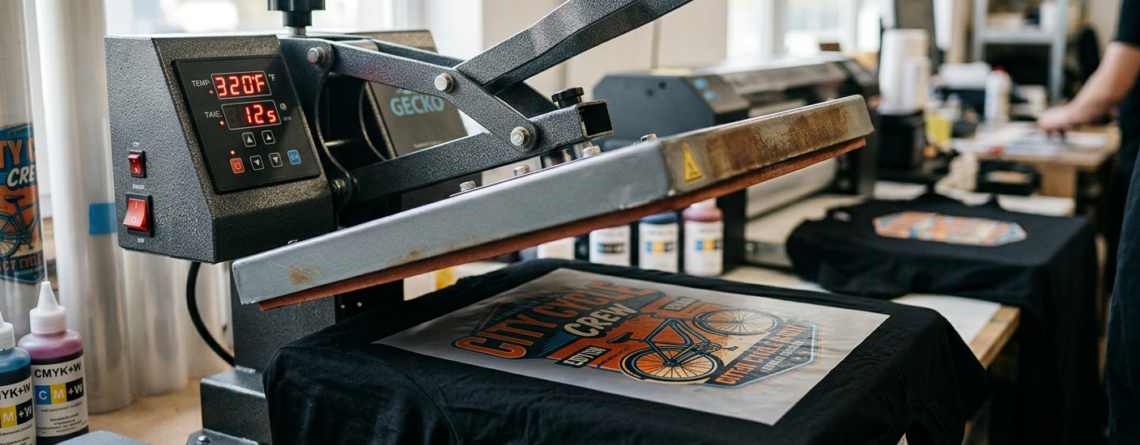
How to Handle DTF Transfers Without Cracking or Peeling Proven Fixes That Work 2026
If you’ve ever printed a great-looking design only to see it crack after a few washes, you’re not alone. Many beginners struggle with this exact issue. The print looks perfect at first, but then starts peeling or breaking apart.
Understanding how to handle dtf transfers without cracking or peeling is what separates average prints from professional-quality results.
Chat with our team for printers, consumables, film, powder and business setup guidance.
DTF (Direct-to-Film) printing is powerful. It works on cotton, polyester, blends—almost anything. But the process has small details that matter a lot.
In this guide, I’ll walk you through practical, real-world tips to help you avoid cracking and peeling completely. No complicated jargon. Just what actually works.
Common Causes of Cracking/Peeling
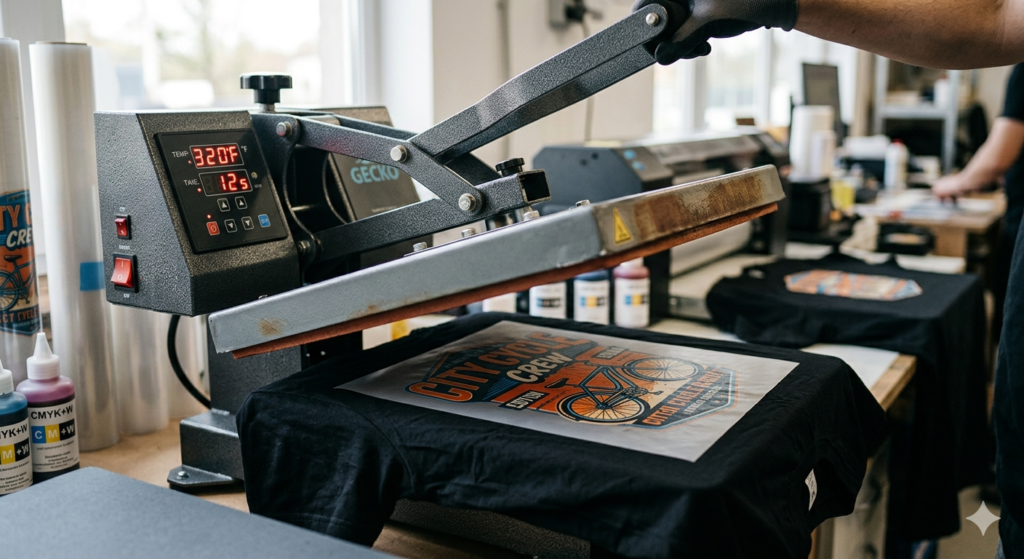
Before fixing the problem, you need to know why it happens.
1. Insufficient White Ink Underlay
White ink acts like a base layer. If it’s too thin, your design won’t stick properly.
This is common when using entry-level setups or incorrect settings on printers like 🔵 ProlificGeeks DTF Printer L1800.
Result? Weak bonding → cracks after washing.
2. Wrong Heat/Press Settings
Heat press mistakes are the #1 reason prints fail.
Too little heat → adhesive doesn’t activate
Too much heat → film burns or overcures
Even machines like 🔵 XP600 or 🔵 i3200 setups need proper calibration.
3. Poor Material Quality
Cheap film and powder = big problems.
Low-quality adhesive powder doesn’t melt evenly.
Cheap PET film may not release properly.
This directly affects how to handle dtf transfers without cracking or peeling.
4. Washing Errors
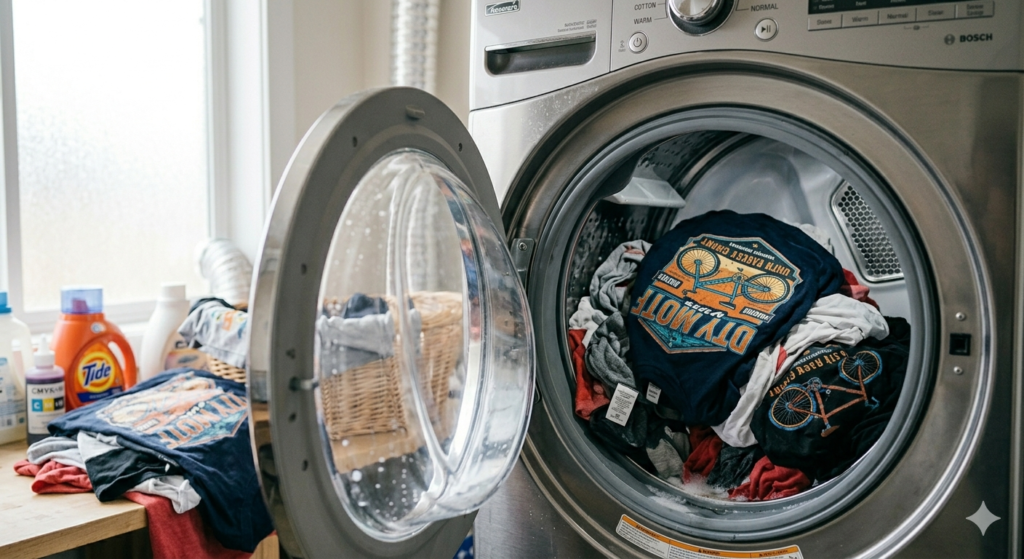
Even perfect prints can fail if washed incorrectly.
Hot water
Strong detergents
Rough drying
These damage the print layer quickly.
Preparation Best Practices
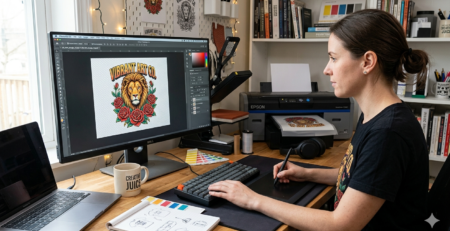
Getting things right before printing saves a lot of trouble later.
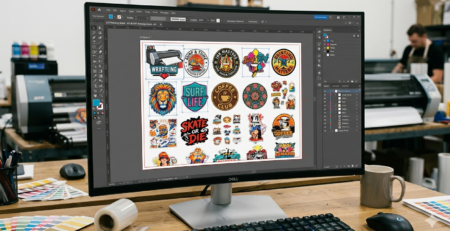
Design Guidelines (Avoid Tiny Details)
Small, ultra-thin lines don’t hold well.
Keep designs slightly bold.
Avoid micro text.
Use solid fills where possible.
Think of it like painting—thicker strokes last longer.
Proper Printing & Curing
Printing is only half the job. Curing is where bonding happens.
Use consistent powder application
Shake off excess powder
Cure at correct temperature
If you’re using systems like 🔵 XP600, always test before bulk production.
Storage Tips
Humidity ruins films.
Store films in a dry place
Avoid sunlight exposure
Keep powder sealed
Good storage directly improves how to handle dtf transfers without cracking or peeling.
Application Techniques
This is where most people make mistakes.
Optimal Heat Press Settings
General guideline:
Temperature: 150–160°C
Time: 10–15 seconds
Pressure: Medium to high
Always test with your fabric.
Cotton needs slightly more pressure than polyester.
Peeling Method (Warm, Not Cold)
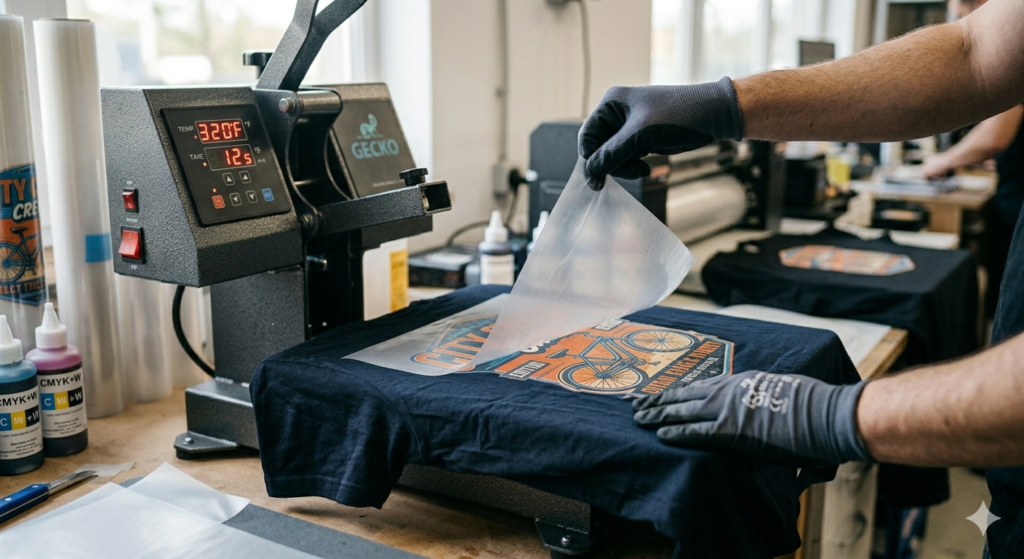
Peeling timing matters a lot.
Too hot → design stretches
Too cold → design cracks
Best method:
Wait a few seconds
Peel when warm
Use small flick motions, not one big pull.
Post-Press Steps
After peeling, press again for 5–10 seconds.
This locks the design.
Adds smooth finish.
Improves durability.
If you’re serious about mastering how to handle dtf transfers without cracking or peeling, never skip this step.
Long-Term Care Instructions
Even perfect application needs proper care.
Washing Guidelines
Turn garment inside out
Use cold water
Avoid harsh detergents
No bleach. Ever.
These simple steps can double print life.
Repressing Fixes
If edges start lifting:
Place parchment paper
Press again for 5–7 seconds
This often fixes minor peeling instantly.
Durability Testing
Before selling, test your prints.
Wash 5–10 times
Stretch fabric
Check edges
Professionals always test.
This is essential for mastering how to handle dtf transfers without cracking or peeling.
Troubleshooting Checklist
Here’s a quick fix list:
- Is your heat press calibrated?
- Is the powder evenly applied?
- Are you using quality film?
- Is white ink layer strong enough?
- Are you peeling at the right temperature?
If something goes wrong, don’t guess—check step by step.
Also review your equipment like 🔵 i3200 or 🔵 ProlificGeeks DTF Printer L1800 setups regularly.
Conclusion
Cracking and peeling are not random problems. They happen for clear reasons—and can be avoided.
Key Takeaways
- Use proper white ink base
- Maintain correct heat settings
- Choose good-quality materials
- Follow correct peeling technique
- Wash garments properly
Mastering how to handle dtf transfers without cracking or peeling is all about consistency and small details.
Start applying these tips today. Your prints will last longer, look better, and build trust with customers.
Product Suggestions
🔵 ProlificGeeks DTF Printer L1800
🔵 XP600
🔵 i3200
🔵 DTF Transfer Film Rolls (DTFshop.in)
🔵 Premium DTF Adhesive Powder (DTFshop.in)
External References
For deeper understanding, you can explore:
- PrintIndustry.com
- Fespa.com
- InkJetInsights.com
- ResearchGate (technical studies on ink adhesion)
Credit: Information references from Fespa, PrintIndustry, and other public sources.


LEAVE A COMMENT