
Sublimation Revolution: New Technologies Transforming Sublimation in 2026
Table of Contents
Introduction
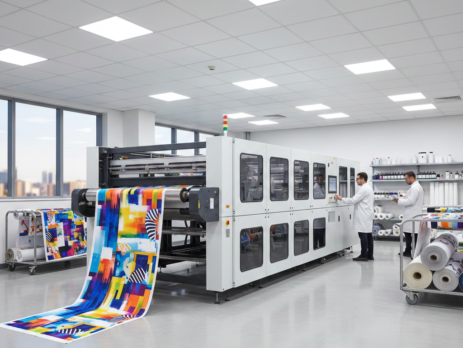
The printing industry never stands still. In 2026, sublimation printing is moving faster than ever. What started as a simple heat-transfer method has now become a smart, automated, and eco-conscious production system. From custom apparel to signage and home décor, sublimation is touching many businesses.
Chat with our team for printers, consumables, film, powder and business setup guidance.
Small print shops, large factories, and even home entrepreneurs are upgrading their setups. The reason is simple. New technologies are making sublimation faster, cleaner, and more accurate. This blog explains how these changes are shaping the future and what practical steps you can take to stay ready.
Overview
It is a printing process where solid ink turns into gas under heat and bonds directly with coated materials or polyester fabrics. Unlike surface printing, the ink becomes part of the material. This makes prints long-lasting, washable, and vibrant.
In daily use, sublimation is popular for:
- T-shirts and sportswear
- Mugs and gift items
- Soft signage
- Photo panels
- Customized products
Earlier, It required careful manual control. Today, automation and smart systems handle most of the work. This shift is what defines sublimation in 2026.
Key New Technologies
Several technologies are working together to upgrade sublimation workflows.
- Smarter printers with auto-calibration
- Better ink chemistry for sharper colors
- Heat presses with digital sensors
- Cloud-based production monitoring
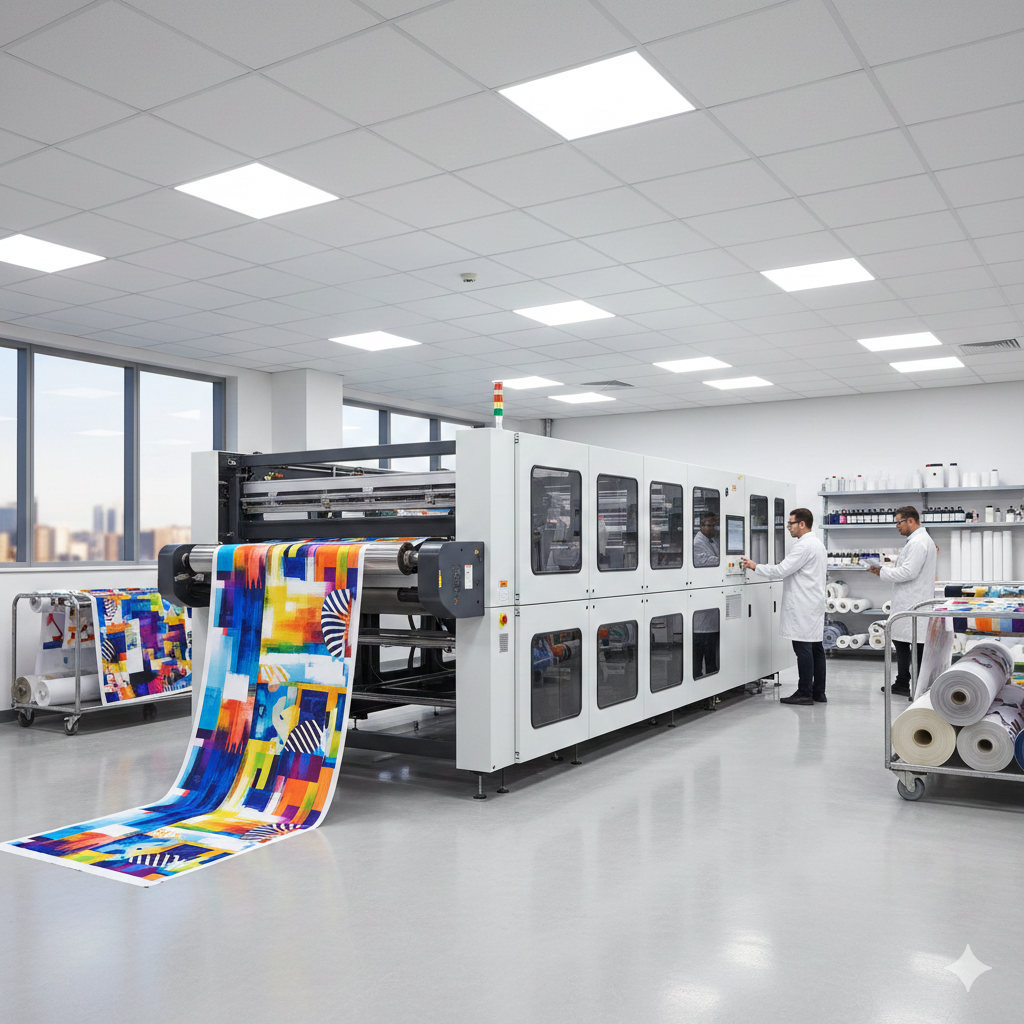
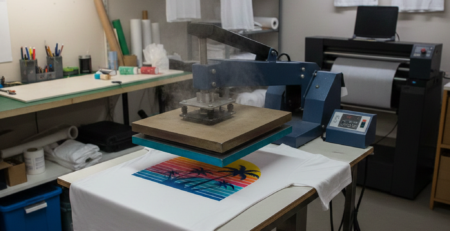
For example, modern print shops now combine high-resolution printers with large heat presses to reduce production time. Equipment like Audley 48 Inch Sublimation Printer is commonly used for bulk textile jobs, while 24×36 Double Bed Heatpress helps maintain consistent heat on larger surfaces.
These tools are no longer luxury items. They are becoming standard.
AI Integration
Artificial Intelligence is playing a silent but powerful role in sublimation.
AI helps with:
- Automatic color correction
- Ink usage prediction
- Print error detection
- Design placement accuracy
For example, AI software can detect uneven color before printing starts. This reduces waste. It also saves ink and paper.
Some printers now adjust settings automatically based on fabric type. This is helpful when switching between sportswear and soft signage. Printers like ProlificGeeks DTF Printer L1800 are often paired with AI-driven RIP software for smoother workflows, even though they serve mixed print needs.
AI does not replace operators. It assists them. This makes training easier for new staff.

Large Format Advancements
Large format sublimation is growing fast in 2026. Demand for banners, curtains, backdrops, and exhibition graphics is rising.
New advancements include:
- Wider print widths
- Faster drying inks
- Stable paper feeding systems
- Better tension control
Large printers reduce joins and seams. This improves final quality. A single wide print looks cleaner than multiple stitched panels.
Print businesses using equipment like Audley 48 Inch Sublimation Printer can now handle both apparel and décor work. This flexibility helps increase revenue without adding multiple machines.
Eco-Friendly Innovations
Sustainability is no longer optional. It is already cleaner than many printing methods. In 2026, it becomes even greener.
Eco innovations include:
- Water-based inks
- Low-energy heat presses
- Reduced paper waste
- Longer-lasting print heads
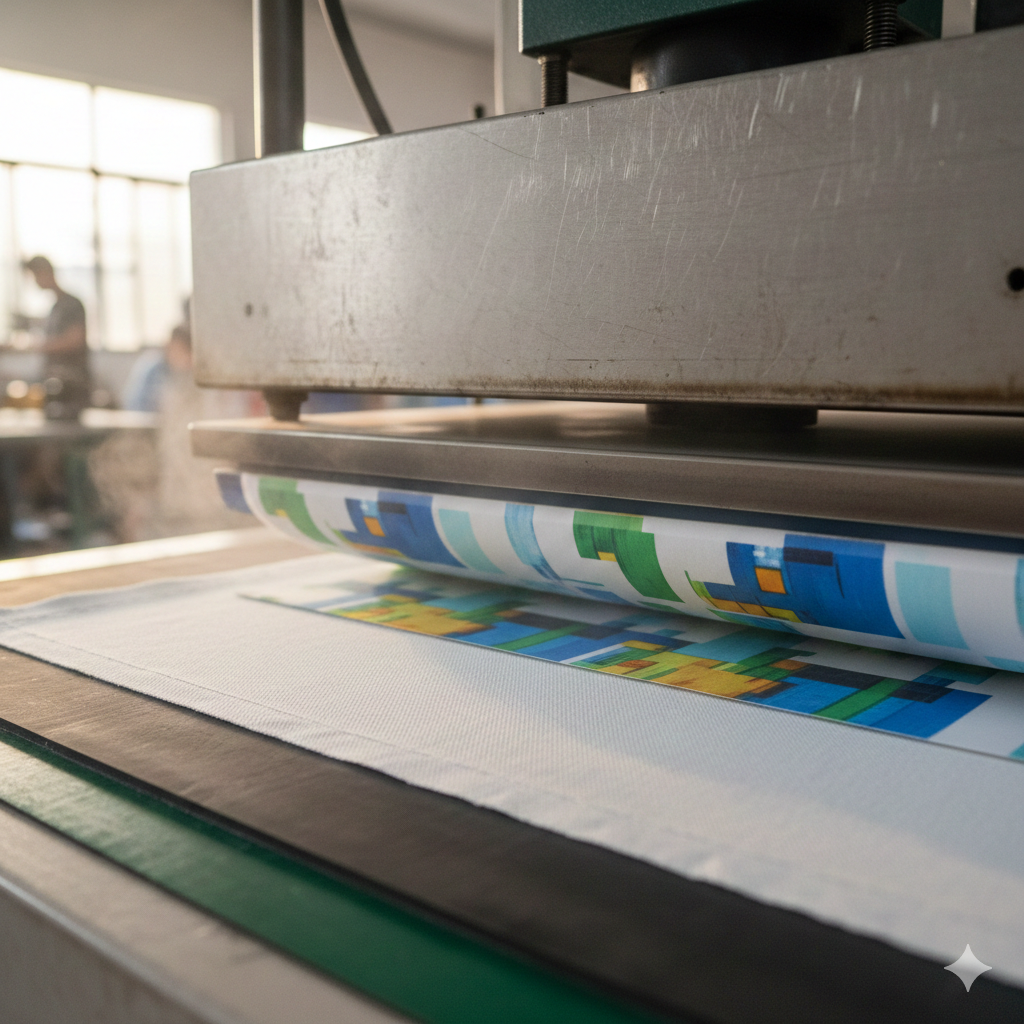
Manufacturers are focusing on lower power consumption. New heat presses heat faster and cool quicker. This saves electricity during long shifts.
Using durable machines like 24×36 Double Bed Heatpress also reduces replacement waste. A reliable press means fewer breakdowns and less scrap material.
Quantum and XR Applications
This may sound futuristic, but it is already happening.
Quantum computing is helping large manufacturers simulate ink behavior at a molecular level. This improves ink bonding and color accuracy.
Extended Reality (XR) is also being used. Print designers now preview this results in virtual environments before printing. This helps clients approve designs faster.
While small shops may not use quantum tools directly, they benefit from improved ink and printer technology developed through this research.
Digital Twins for Processes
A digital twin is a virtual copy of a physical process. In this means simulating the entire print and heat transfer cycle digitally.
Benefits include:
- Predicting errors
- Testing new materials
- Optimizing heat and pressure
Large print units already use digital twins to reduce trial runs. This saves paper, ink, and time.
In the future, even mid-size shops may access simplified versions through cloud software.
Implementation Steps
Adopting new sublimation technologies does not require a complete overhaul.
Practical steps include:
- Upgrade RIP software first
- Add auto-calibration printers
- Use consistent heat presses
- Train staff on new features
- Track ink and paper usage
Start small. Replace one outdated machine at a time. Equipment like ProlificGeeks DTF Printer L1800 can complement setups for hybrid print needs.
Benefits and Challenges
Benefits
- Faster production
- Better color consistency
- Lower material waste
- Easier scaling
Challenges
- Initial investment cost
- Learning new software
- Compatibility issues
Most challenges reduce over time. Once teams get used to automation, productivity improves quickly.
Future Outlook
The future of this looks stable and promising. Demand for customization keeps growing. Automation makes it easier to meet this demand.
By 2028, we may see:
- Fully automated print-to-press lines
- Smart fabrics designed for sublimation
- Subscription-based ink systems
Businesses that adapt early will stay ahead.
Conclusion
New technologies are transforming sublimation in practical ways. This is not about hype. It is about better prints, faster delivery, and smarter use of resources.
From AI-assisted printers to eco-friendly inks in 2026 is more reliable than ever. Whether you run a small studio or a large unit, gradual upgrades can make a big difference.
Related
Suggested Blog Post Title Ideas
- How Sublimation Printing Will Evolve After 2026
- AI and Automation in Textile Printing
- Sustainable Printing Methods for Small Businesses
- Large Format Sublimation: A Practical Guide
- Heat Press Technologies Changing Print Quality
3000-Word Blog Outline
- History of sublimation
- Current market trends
- Printer technology evolution
- Ink chemistry changes
- AI and automation
- Sustainability practices
- Case studies
- Equipment comparison
- Cost analysis
- Future predictions
Short Meta Description
New technologies are reshaping sublimation printing in 2026 with AI, automation, and eco-friendly innovations.
Suggested Images & Graphics
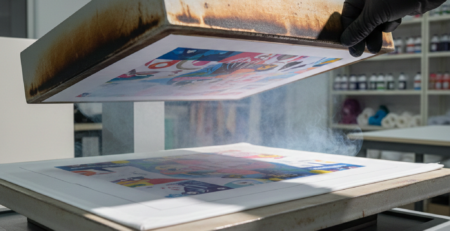
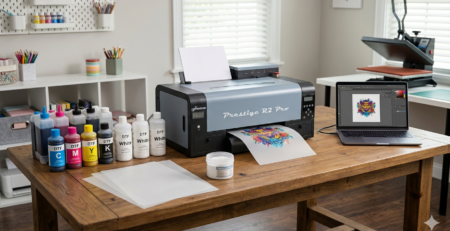
- Sublimation printer in action
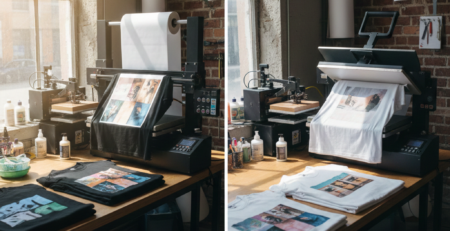
- Heat press operation
- AI color correction interface
- Large format textile printing
- Eco-friendly ink comparison chart
Product Suggestions (from DTFshop.in)
DTF Printer L1800
Audley 48 Inch Sublimation Printer
24×36 Double Bed Heatpress
Industrial Sublimation Heat Press
High-Speed Sublimation Ink System
External References + Credits
Helpful resources:
Credit: Information references from Fespa, PrintIndustry, and other public sources.

Leave a Reply