
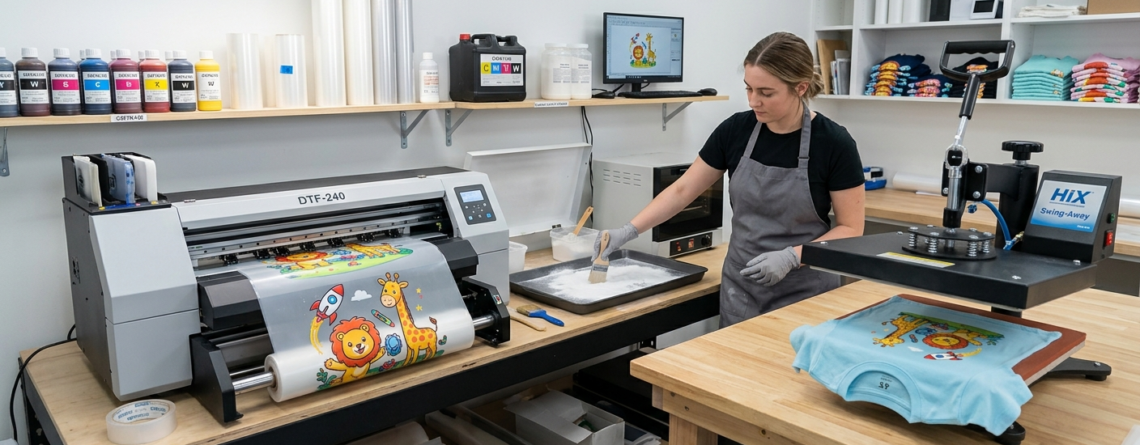
DTF Printing for Kids’ Clothing: Safe Ink and Transfer Guide 2026
DTF printing for kids clothing is becoming very popular today. Parents want safe, soft, and long-lasting prints on their children’s clothes. At the same time, small clothing brands want easy printing methods without complicated setups.
DTF (Direct-to-Film) printing solves both problems. It allows colorful prints, works on many fabrics, and can be done in small batches.
Chat with our team for printers, consumables, film, powder and business setup guidance.
But when it comes to kids, safety matters the most. Not every ink or powder is safe for children’s skin. That’s why understanding the right materials and process is important.
This guide will help you understand everything in simple terms.
What is DTF Printing?
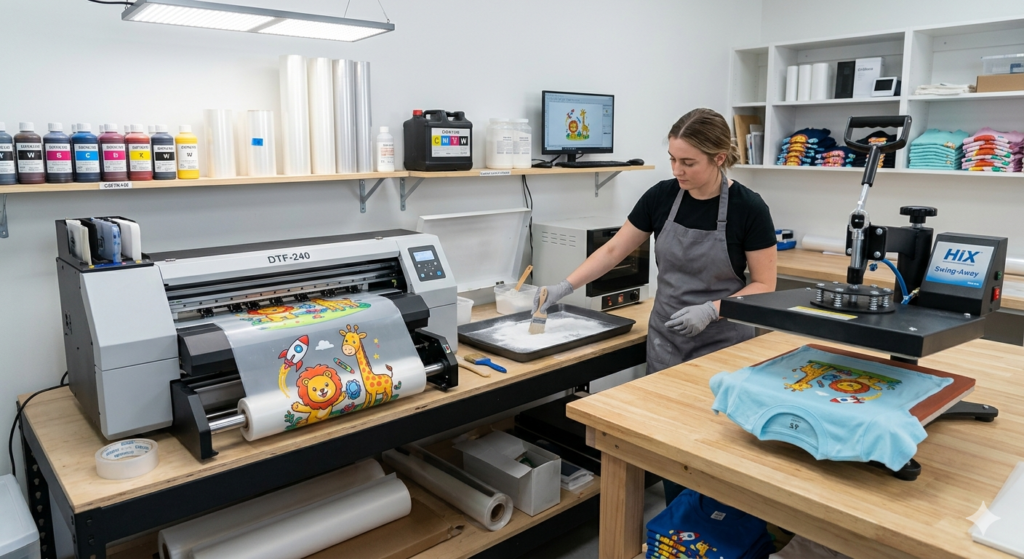
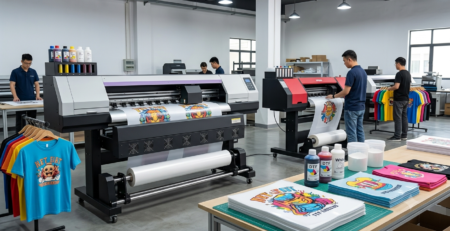
DTF printing is a method where designs are printed on a special film and then transferred to fabric using heat.
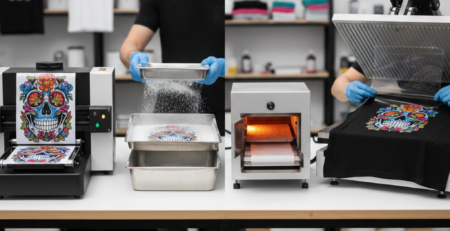
Here’s how it works in short:
- Design is printed on film
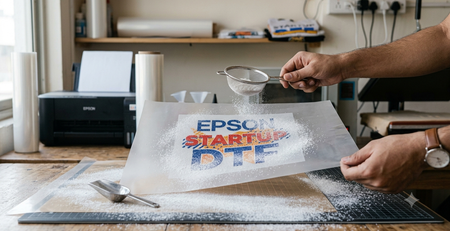
- Adhesive powder is applied
- Heat press transfers it to fabric
Unlike screen printing, you don’t need multiple screens. Unlike sublimation, it works on cotton too.
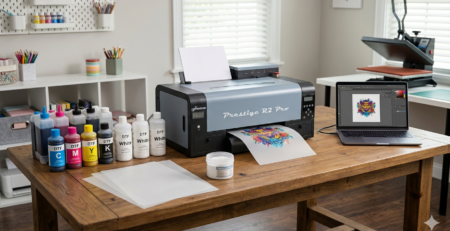
Many beginners start with machines like 🔵 ProlificGeeks DTF Printer L1800 because it’s easy to handle and cost-effective.
Why DTF for Kids’ Wear?
DTF printing for kids clothing has some clear advantages:
1. Soft on Skin
The prints are flexible and don’t feel rough.
2. Bright Colors
Kids love colorful designs. DTF delivers that easily.
3. Works on Many Fabrics
Cotton, polyester, blends — all supported.
4. Small Quantity Friendly
Perfect for custom kidswear brands.
Compared to vinyl printing, DTF feels softer. Compared to screen printing, it’s easier for small runs.
Safe Ink Selection Criteria
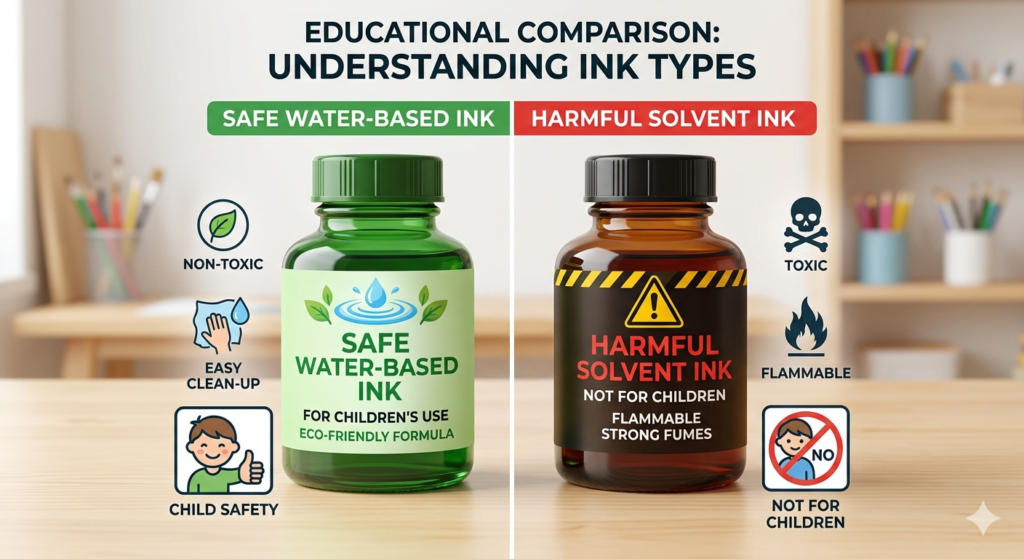
This is the most important part when working with kids.
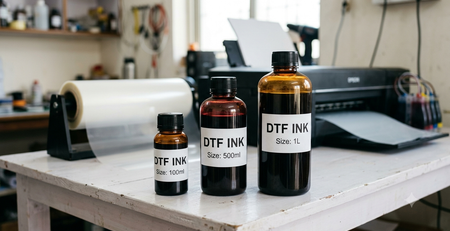
Water-based and Certified Inks
Always choose water-based inks. They are safer than solvent-based inks.
Look for inks that:
- Do not contain heavy metals
- Are low odor
- Are tested for skin safety
Print heads like 🔵XP600 or 🔵 i3200 work well with high-quality water-based inks.
OEKO-TEX or CPSIA Standards
When doing DTF printing for kids clothing, certifications matter.
OEKO-TEX Standard 100
Ensures textiles are free from harmful substances.
CPSIA (Consumer Product Safety Improvement Act)
Important for children’s products, especially in export markets.
If your ink or film is certified, it builds trust.
Non-toxic Adhesive Powders
Adhesive powder binds the print to fabric.
Always check:
- Non-toxic label
- No harmful fumes during heat pressing
- Fine grain quality
Cheap powders can cause skin irritation or cracking prints.
DTF Transfer Process Step-by-Step
Here is a simple workflow:
Step 1: Design Preparation
Use clear, high-resolution designs.
Step 2: Print on Film
Use a reliable printer like 🔵 ProlificGeeks DTF Printer L1800.
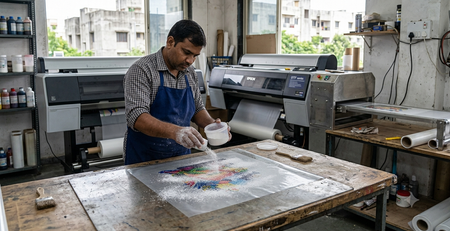
Step 3: Apply Adhesive Powder
Even coating is important.
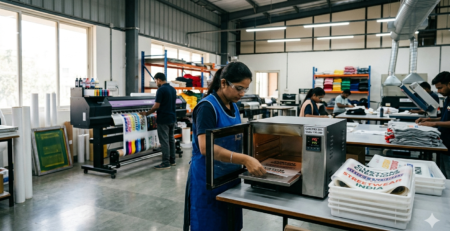
Step 4: Cure the Powder
Heat it lightly before transfer.
Step 5: Heat Press Transfer
Press at recommended temperature (usually 150–165°C).
Step 6: Peel and Finish
Peel film and do final press.
Small tip: Always test one sample before bulk production.
Safety Testing and Certifications
If you are selling kidswear, testing is not optional.
Check for:
- Wash resistance
- Color fastness
- Skin irritation
You can send samples to textile labs for testing.
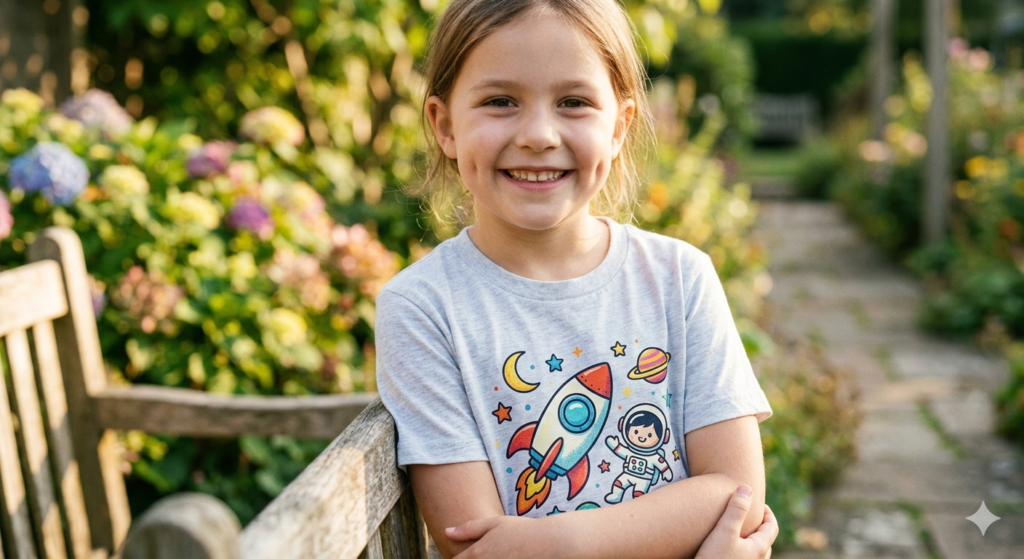
Even small brands are now focusing on safe DTF printing for kids clothing to build trust.
Design Tips for Children’s Garments
Design matters as much as safety.
Keep it simple
Avoid too many layers of ink.
Use soft edges
Sharp thick prints may feel heavy.
Choose playful themes
Cartoons, animals, fun text work well.
Avoid chest-heavy designs
Kids prefer comfort over heavy prints.
Example: A small cartoon print works better than a full chest design.
Common Mistakes to Avoid
Many beginners make these mistakes:
Using cheap inks
Leads to skin issues and poor quality.
Overheating prints
Can damage fabric and reduce softness.
Wrong powder usage
Too much powder makes prints stiff.
Ignoring certifications
This is risky for kidswear.
Skipping test prints
Always test before final production.
DTF printing for kids clothing requires careful attention, not shortcuts.
Care Instructions for Printed Clothes
Even the best prints need proper care.
Tell customers to:
- Wash inside out
- Use mild detergent
- Avoid bleach
- Do not iron directly on print
- Air dry when possible
This helps maintain print quality and safety.
Benefits and Durability
DTF printing for kids clothing offers strong durability.
Wash Resistance
Prints last 40–60 washes if done correctly.
Flexibility
Does not crack easily.
Color Retention
Bright colors stay longer.
Compared to vinyl, DTF lasts longer. Compared to screen printing, it’s more flexible for small runs.
Conclusion and Recommendations
DTF printing for kids clothing is a smart choice if done the right way.
Focus on:
- Safe inks
- Certified materials
- Proper transfer process
- Simple designs
Avoid cheap shortcuts. Kids’ safety always comes first.
If you are starting out, begin with reliable equipment like 🔵 ProlificGeeks DTF Printer L1800 and compatible print heads such as 🔵XP600 or 🔵 i3200.
Start small, test properly, and improve step by step.
Product Suggestions (Used in Blog)
🔵 ProlificGeeks DTF Printer L1800
🔵XP600
🔵 i3200
External References + Credits
- PrintIndustry.com
- Fespa.com
- InkJetInsights.com
- ResearchGate
Credit: Information references from Fespa, PrintIndustry, and other public sources.

LEAVE A COMMENT