
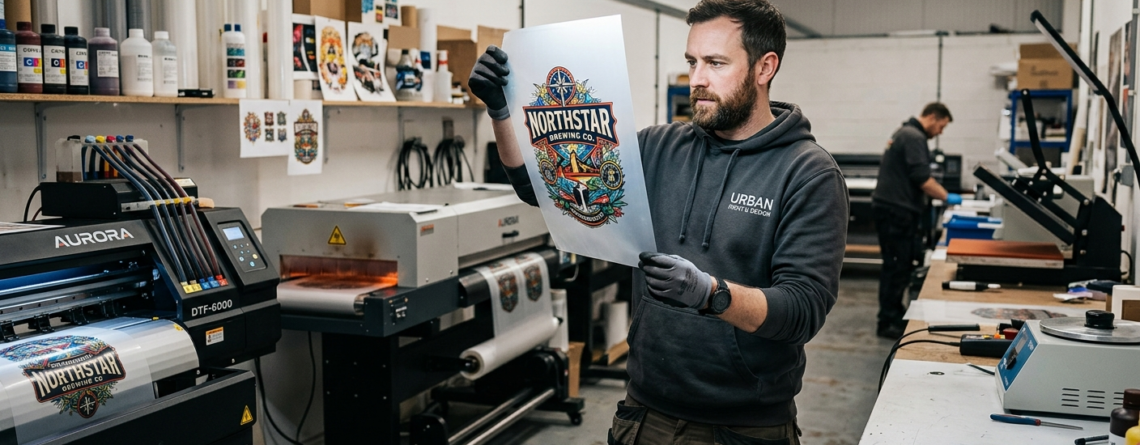
DTF Print Quality Testing: 8 Ultimate Guide Before Mass Production
DTF printing is powerful, but one mistake can waste money and material. That’s why DTF print quality testing is not optional — it’s essential.
Before running 100 or 1000 prints, you need to be sure your output is perfect. A small test helps you catch color issues, poor adhesion, or weak durability early.
Chat with our team for printers, consumables, film, powder and business setup guidance.
Many beginners skip this step. Later, they regret it. A simple test could save hours of rework.
Why Test Before Mass Production
Mass production without testing is risky.
Here’s what can go wrong:
- Colors look different on fabric
- Prints crack after washing
- Ink doesn’t stick properly
- Design edges peel off
With proper DTF print quality testing, you avoid all these problems.
Think of it like tasting food before serving guests. You don’t cook blindly.
Preparing for the Test Print
Start with the basics.
You need:
- Correct design file (300 DPI recommended)
- Right color profile
- Proper RIP settings
- Good film and powder
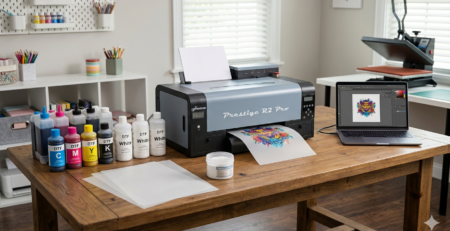
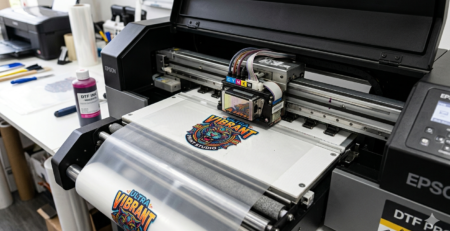
Also, use a reliable printer like
🔵 ProlificGeeks DTF Printer L1800
If your machine itself is unstable, testing becomes useless.
Check nozzle status before printing. Even one clogged nozzle can ruin your test.
Visual Inspection Checklist
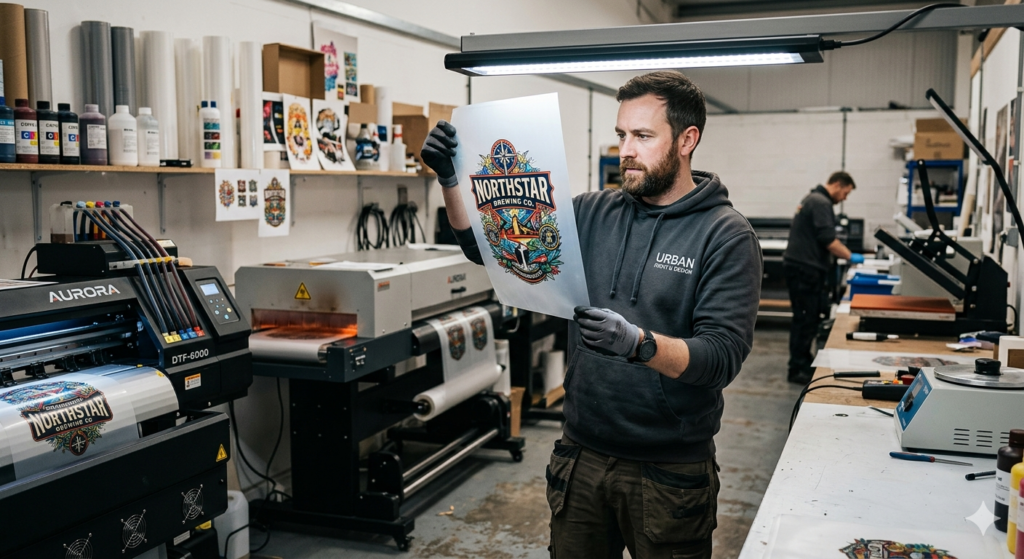
Once your test print is ready, don’t rush.
Look closely.
Check:
- Sharpness of edges
- Smooth gradients
- No banding lines
- Clean white underbase
This is the first step of DTF print quality testing.
Hold the print under light. Rotate it slightly. You’ll notice issues faster.
Color Accuracy and Vibrancy Checks
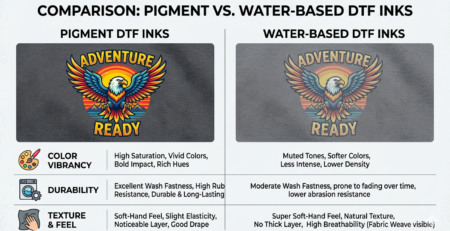
Colors often look different on screen vs fabric.
So test carefully.
Compare:
- Printed design vs original file
- Skin tones
- Dark shades
Use consistent inks like those compatible with
🔵 XP600
or
🔵 i3200
These heads provide better color consistency.
If colors look dull:
- Increase saturation slightly
- Adjust ICC profile
- Check ink quality
This stage is critical in DTF print quality testing because customers notice color first.
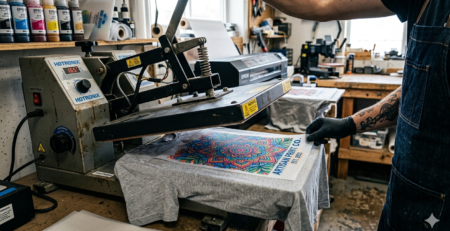
Adhesion and Peel Test
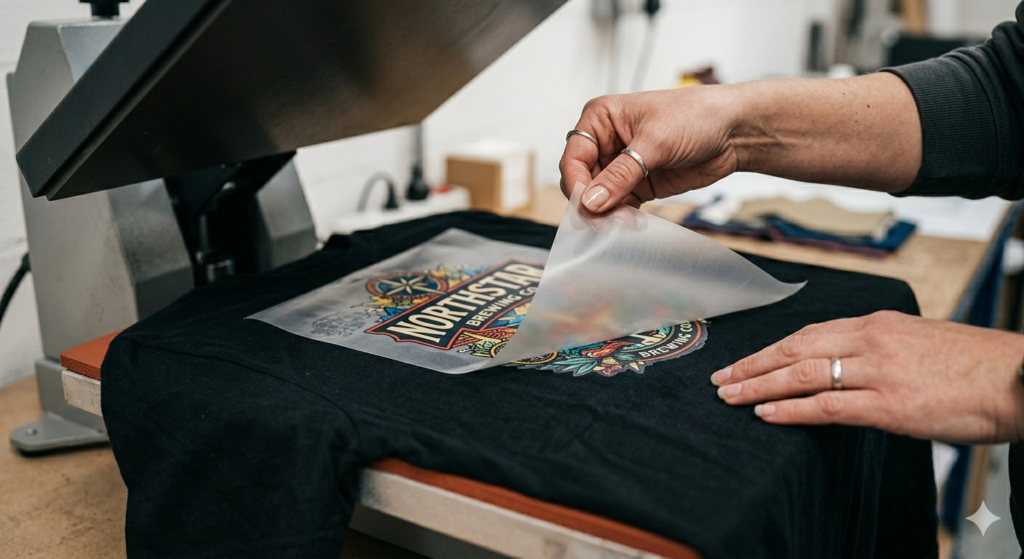
Now comes the real test.
After pressing:
- Let it cool slightly
- Peel the film slowly
Observe:
- Is the design lifting?
- Are edges sticking properly?
If the print comes off, your powder or temperature is wrong.
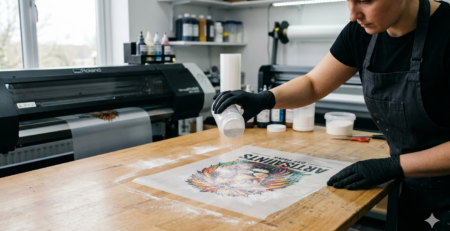
For better adhesion, use consistent curing and quality powder systems like
🔵 DTF Powder Shaker Machine
Proper adhesion is a key part of DTF print quality testing.
Stretch and Flexibility Test

Clothes stretch. Your print should too.
Take the printed fabric and stretch it gently.
Check:
- Does the design crack?
- Does it recover shape?
If it cracks easily, your ink layer is too thick or curing is off.
Good flexibility = good durability.
This step ensures your DTF print quality testing is realistic.
Wash Durability Tests
This is where many prints fail.
Do a simple wash test:
- Wash in cold water
- Use mild detergent
- Air dry
After washing:
- Check fading
- Look for cracks
- Feel texture
If the print fades quickly, something is wrong with curing or ink.
Experts from sites like PrintIndustry.com often stress wash testing before bulk production.
Testing on Different Fabrics
DTF works on many fabrics, but results vary.
Test on:
- Cotton
- Polyester
- Blends
A design that works on cotton may fail on polyester.
That’s why DTF print quality testing must include multiple fabrics.
You’ll understand how your setup behaves in real conditions.
Common Issues and Fixes
Here are common problems:
1. Dull Colors
Fix: Adjust RIP settings, check ink quality
2. Peeling Prints
Fix: Increase heat press time or pressure
3. Cracking Design
Fix: Reduce ink thickness, improve curing
4. Powder Not Sticking
Fix: Check humidity and powder application
Research from InkJetInsights.com shows that most DTF issues come from poor testing.
Sample vs Gang Sheet Decision
Should you print a single sample or a gang sheet?
- Sample = for checking quality
- Gang sheet = for testing layout efficiency
Start with a small sample.
Then move to gang sheets using tools like
🔵 DTF Film Roll Premium Grade
This helps optimize cost and layout.
Good DTF print quality testing always starts small.
Final Checklist Before Bulk Order
Before mass production, confirm:
- Colors are accurate
- Adhesion is strong
- No cracks after stretch
- Passed wash test
- Works on all fabrics
Also ensure machine consistency. Industrial heads like
🔵 i3200
give stable results in bulk runs.
This checklist completes your DTF print quality testing process.
Conclusion and Next Steps
Testing is not a waste of time. It’s a smart step.
With proper DTF print quality testing, you:
- Save money
- Avoid customer complaints
- Build trust
Start small. Test properly. Then scale confidently.
Even experienced printers never skip testing.
Product Suggestions
🔵 ProlificGeeks DTF Printer L1800
🔵 XP600 Printhead System
🔵 i3200 Industrial Printhead
🔵 DTF Powder Shaker Machine
🔵 DTF Film Roll Premium Grade
External References
- PrintIndustry.com
- Fespa.com
- InkJetInsights.com
- ResearchGate
Credit: Information references from Fespa, PrintIndustry, and other public sources.

LEAVE A COMMENT