
2026 UVDTF Printing Power Honest Guide: Industrial vs Budget Machines Explained
Table of Contents
Introduction
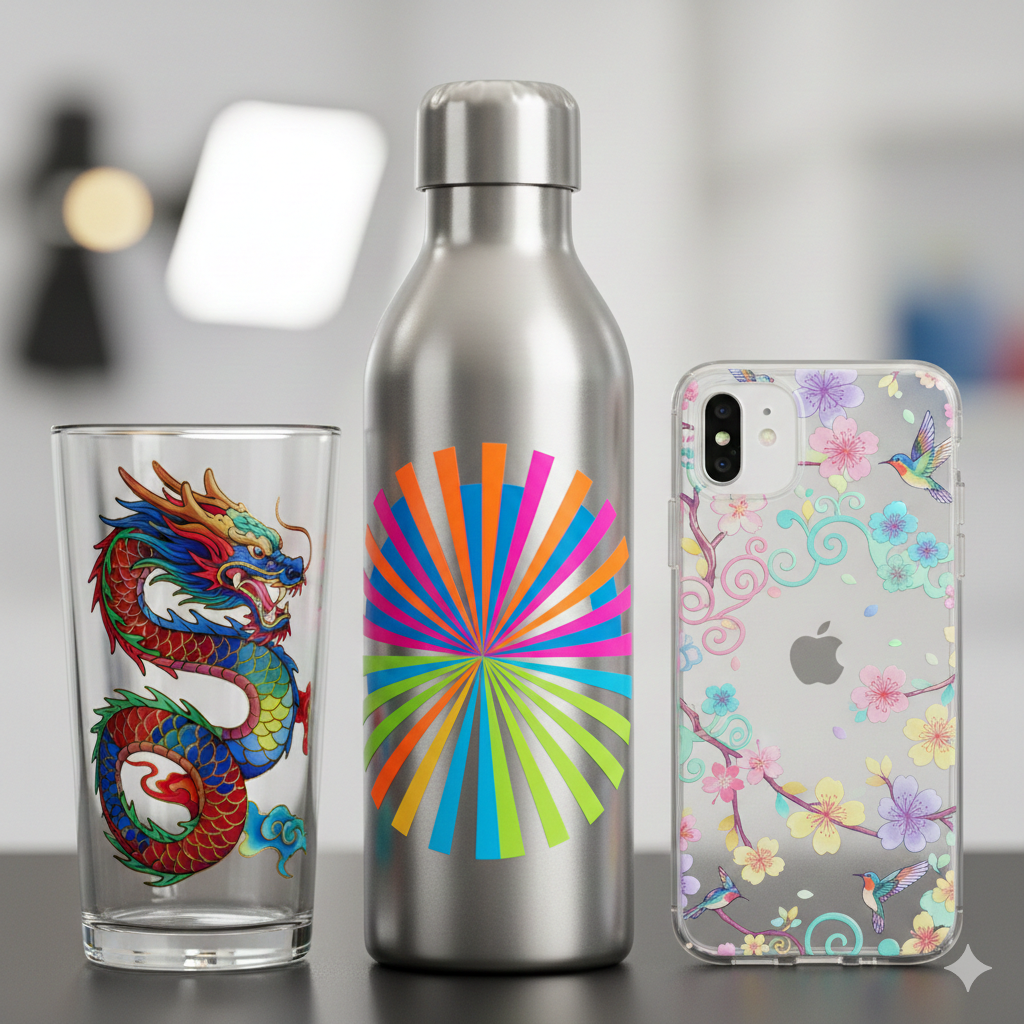
UVDTF Printing is changing how custom prints are made on hard surfaces. From mobile covers to glass, metal, wood, and plastic, this printing method allows direct transfer with strong adhesion and vibrant colors.
Many small and mid-size print businesses now look at UVDTF Printing as a way to expand services. But the first big question is simple. Should you buy a budget UVDTF machine or invest in an industrial one?
Both types serve different needs. The wrong choice can slow production or waste money. This guide breaks it down clearly, without technical overload.
Overview of Budget Machines
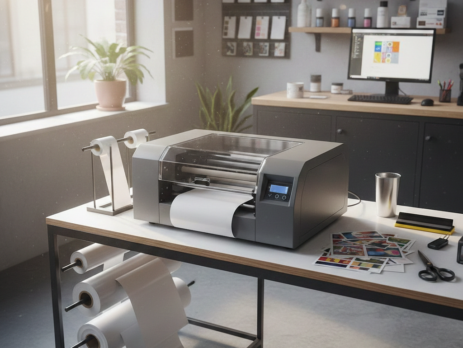
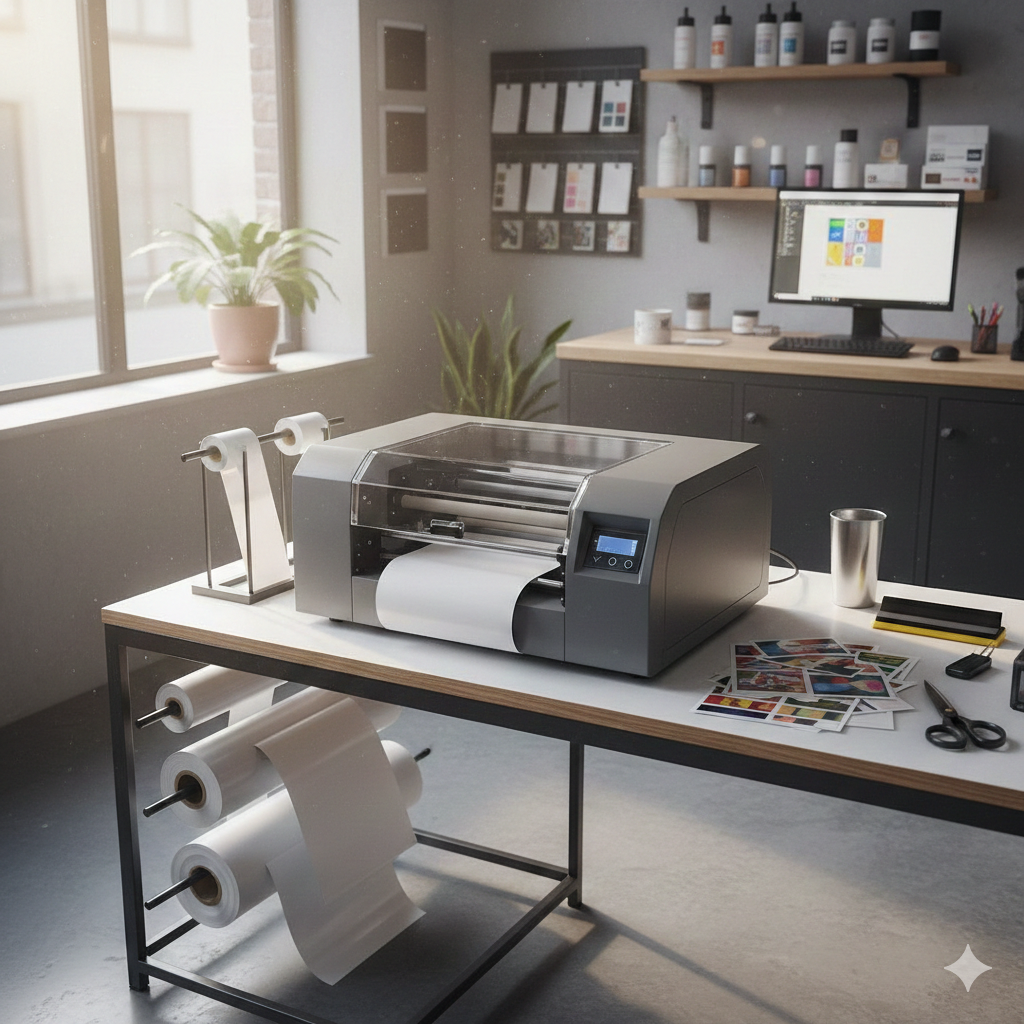
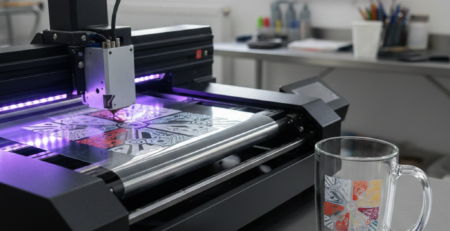
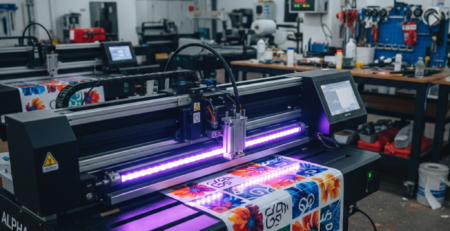
Budget UVDTF Printing machines are designed for small shops, startups, and low-volume users. These machines are compact and easy to operate. Most are semi-automatic and focus on basic printing tasks.
They usually handle smaller print widths and moderate speeds. You will often find them in gift shops, signage startups, and home-based printing units.
Key Features
- Compact body size
- Manual or semi-automatic operation
- Standard UV curing lamps
- Limited print width
- Basic RIP software support
Many users start with machines like the A3 UV DTF Printer, which balances cost and usability for beginners.
Pros and Cons
Pros
- Lower investment cost
- Easy to learn
- Low power consumption
- Ideal for testing UVDTF Printing market
Cons
- Slower production speed
- Limited durability for heavy use
- Manual maintenance required
- Not ideal for bulk orders
Budget machines work well if you print less than 50 transfers a day.
Overview of Industrial Machines
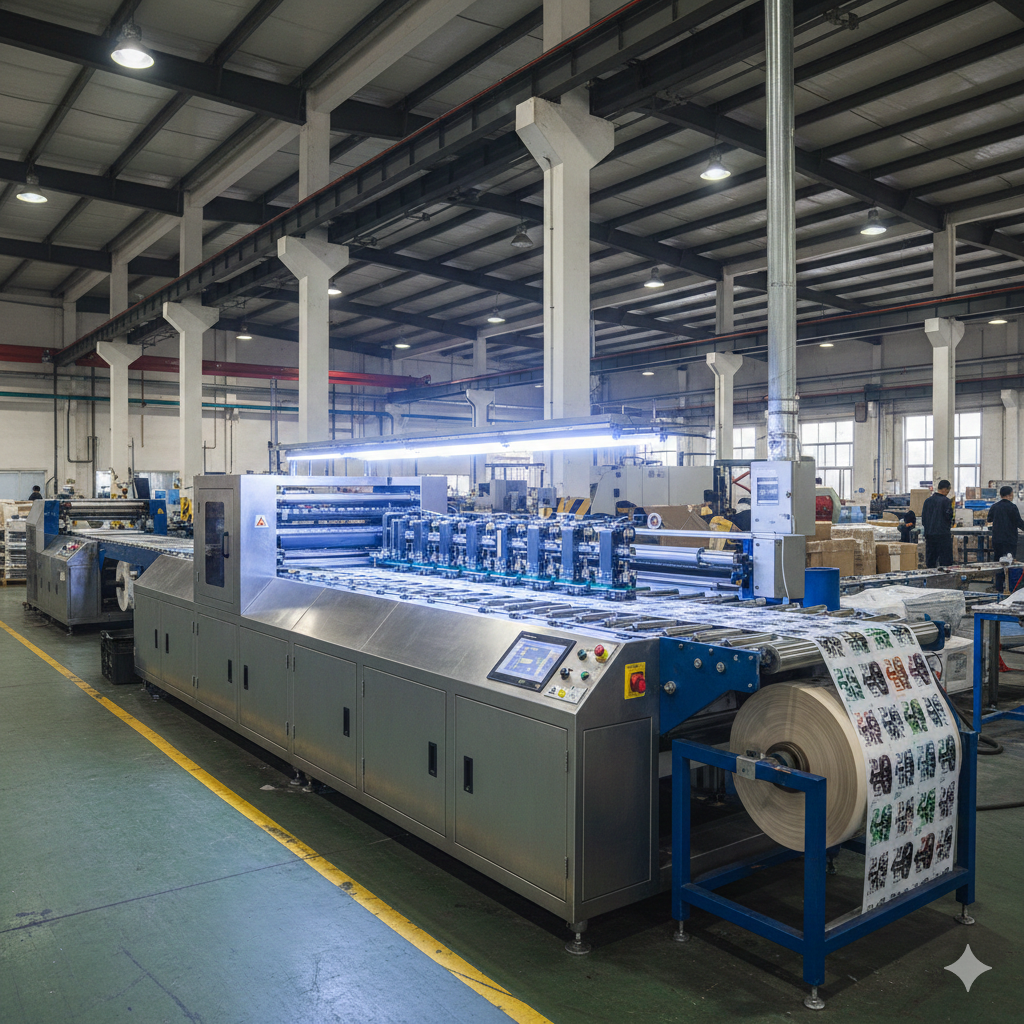
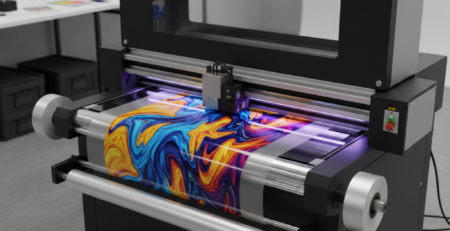
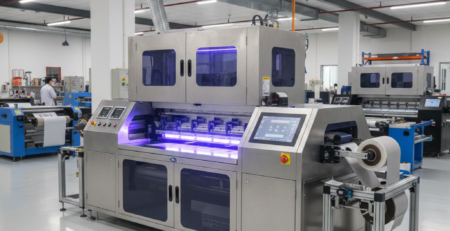
Industrial UVDTF Printing machines are built for speed, consistency, and scale. These machines are fully automatic and designed for long production hours.
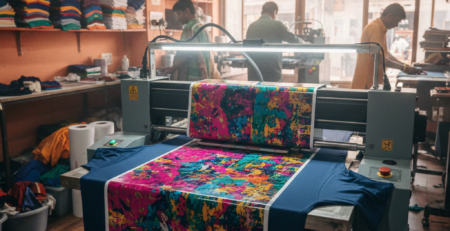
They are commonly used by large print houses, export units, and signage manufacturers handling daily bulk orders.
Key Features
- High-speed industrial print heads
- Fully automatic lamination and curing
- Wide print formats
- Strong UV curing system
- Advanced RIP software integration
A popular example is the Industrial UV DTF Roll Printer, which is used for continuous commercial output.
Pros and Cons
Pros
- High production capacity
- Consistent color quality
- Less manual handling
- Longer machine life
Cons
- High upfront cost
- Requires trained operator
- More space needed
- Higher power consumption
Industrial machines are built for businesses running UVDTF Printing daily without downtime.
Head-to-Head Comparison Table
| Feature | Budget Machine | Industrial Machine |
|---|---|---|
| Print Speed | Slow to medium | High speed |
| Investment Cost | Low | High |
| Daily Output | 20–50 prints | 200+ prints |
| Automation | Semi-manual | Fully automatic |
| Maintenance | Manual | Scheduled |
| Ideal User | Startup | Large business |
Cost Analysis and ROI Breakdown
Budget UVDTF Printing machines usually cost much less. You may recover your investment in 4 to 6 months if you get steady local orders.
Industrial machines need a bigger budget. However, their ROI becomes faster once production volume increases. Many businesses recover costs within 8 to 12 months due to bulk order handling.
Ink, film, and maintenance costs are similar in both cases. The real difference is time and scale.
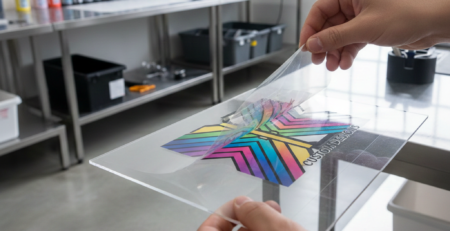
Using accessories like UV DTF Ink Set and UV DTF Transfer Film helps maintain print consistency across both machine types.
Ideal Use Cases and Buyer Guide
Choose a budget machine if:
- You are new to UVDTF Printing
- You work with custom orders
- You run a small print shop
- You want low risk investment
Choose an industrial machine if:
- You receive bulk orders daily
- You supply to resellers
- You want faster delivery times
- You plan to scale nationwide
For finishing and durability, many professionals also use UV Laminating Machine to improve transfer quality.
When to Upgrade from Budget to Industrial
You should consider upgrading when:
- Orders exceed 100 prints per day
- Manual work slows delivery
- Color consistency becomes critical
- You hire extra staff for production
Many print owners start small, understand the UVDTF Printing workflow, and then move to industrial systems once demand grows.
Conclusion and Recommendations
UVDTF Printing is profitable when matched with the right machine. Budget machines are perfect for learning and small jobs. Industrial machines are built for speed, volume, and long-term growth.
There is no “one-size-fits-all” solution. Your order volume, space, and future plans should guide your decision.
Start smart. Upgrade when ready. Focus on quality and delivery.
Product Suggestions (Used Naturally)
- A3 UV DTF Printer
- Industrial UV DTF Roll Printer
- UV DTF Ink Set
- UV DTF Transfer Film
- UV Laminating Machine
External References + Credits
Helpful reading sources:
Credit: Information references from Fespa, PrintIndustry, and other public sources.


Leave a Reply