
DTF Ink Mastery: DTF Ink Types Explained for Beginners
Table of Contents
Introduction to DTF Printing
DTF printing has changed how custom T-shirts and fabric products are made. Earlier, printing on dark fabrics or mixed materials was difficult. Now, with DTF printing, even beginners can get professional results.
The heart of this process is DTF Ink. If the ink is wrong, prints will crack, fade, or peel. If the ink is right, prints stay soft, bright, and long-lasting.
Chat with our team for printers, consumables, film, powder and business setup guidance.
This guide explains Ink in very simple words. No technical confusion. Just practical knowledge you can actually use.
What is DTF Ink?
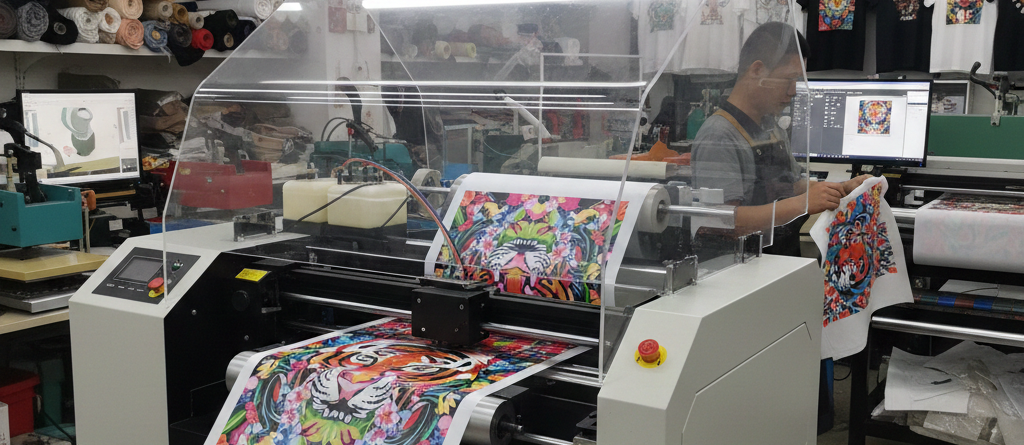
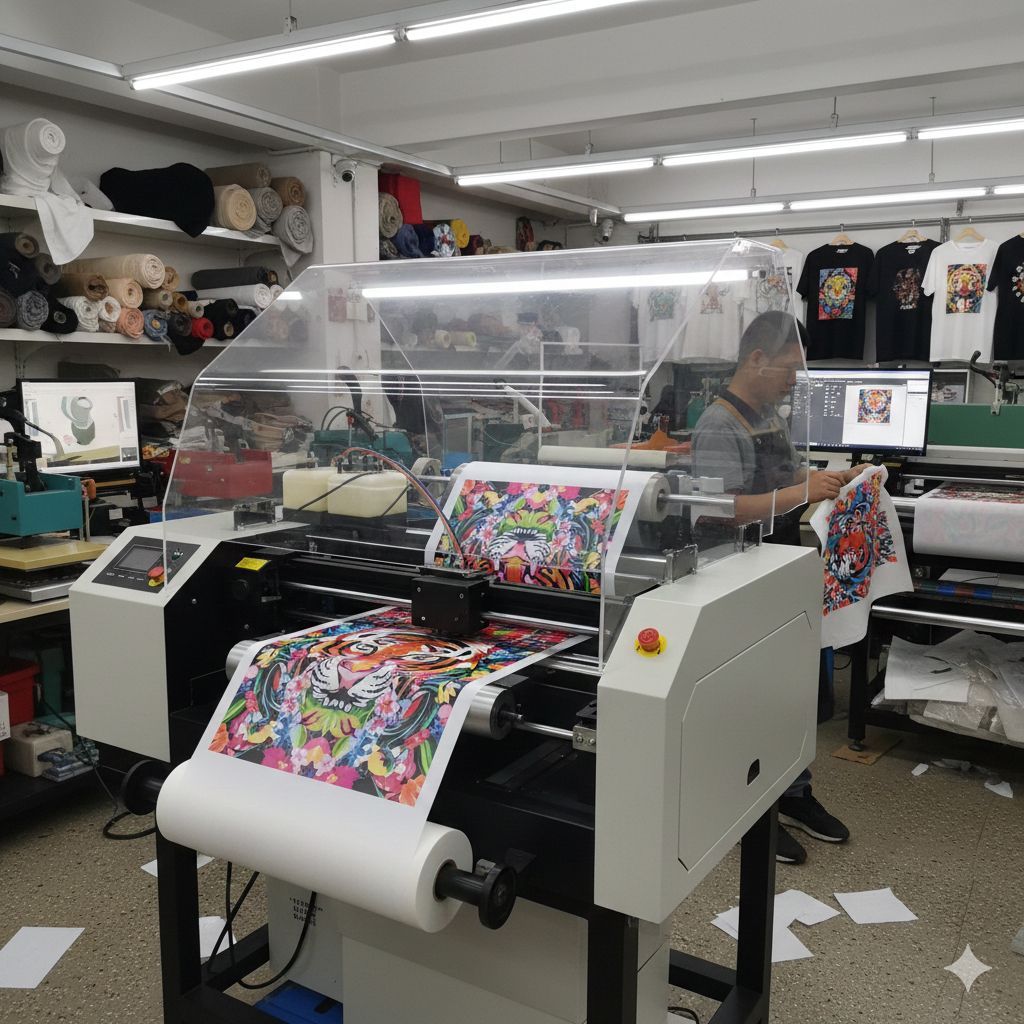
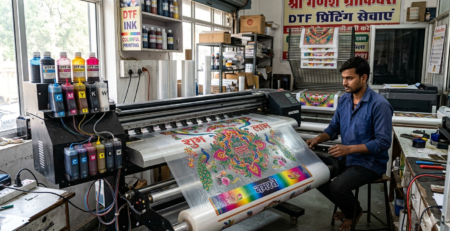
DTF Ink is a special ink used in Direct to Film printing. It is printed on a PET film first, not directly on fabric. After printing, adhesive powder is applied and heat pressed onto the garment.
Unlike normal inkjet ink, DTF Ink must:
- Stick to film
- Transfer cleanly to fabric
- Stretch with the fabric
- Survive washing
That is why DTF Ink is specially formulated for textile use.
Main Types of DTF Inks
Not all inks are the same. Let’s break down the main types used in DTF printing.
White Ink
White ink is the backbone of DTF printing. It creates the base layer that makes colors pop, especially on dark fabrics.
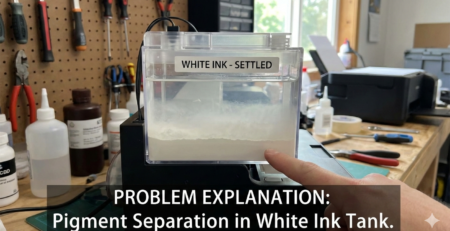
White DTF Ink is thicker than color inks. It needs proper circulation to avoid clogging.
Where it is used:
- Dark T-shirts
- Hoodies
- Cotton and polyester fabrics
Beginner tip:
Shake white ink daily. Stir gently. Never let it sit unused for long periods.
CMYK Inks
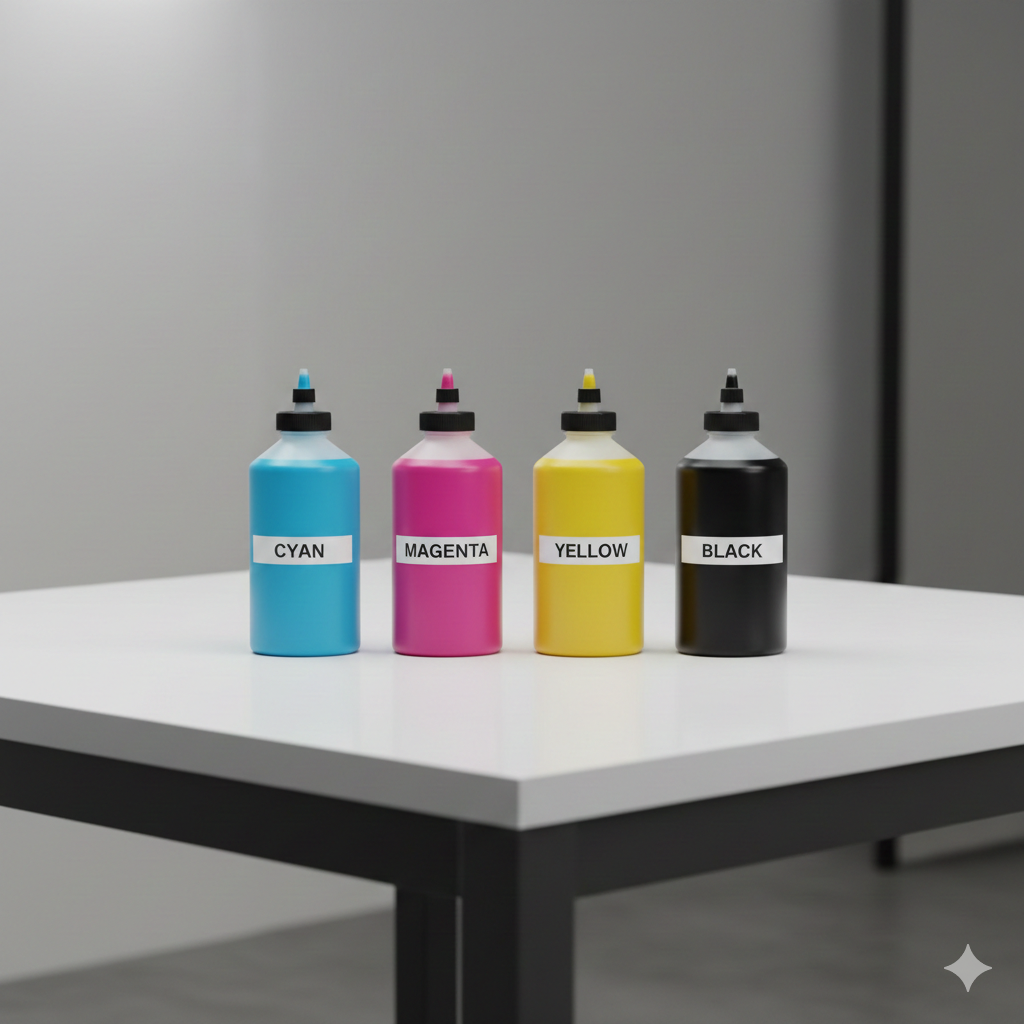
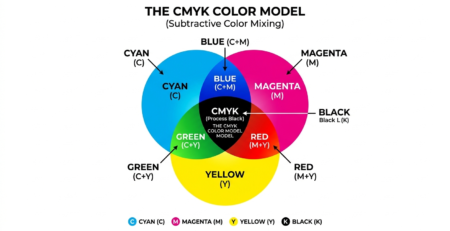
CMYK inks include Cyan, Magenta, Yellow, and Black. These inks form all colors in DTF prints.
Without good CMYK DTF Ink, your prints will look dull or inaccurate.
Advantages:
- Bright color output
- Smooth gradients
- Sharp details
Most beginners use CMYK inks along with white ink as a standard setup.
Water-Based Inks
Water-based DTF Ink is the most commonly used ink today. It is safer, has low odor, and works well with most DTF printers.
Why beginners prefer it:
- Easy maintenance
- Soft feel on fabric
- Good wash durability
Most entry-level DTF printers are designed specifically for water-based inks.
Solvent-Based Inks
Solvent-based inks are stronger but less common in DTF printing.
Pros:
- Strong adhesion
- Works in humid environments
Cons:
- Strong smell
- More maintenance
- Not beginner-friendly
Solvent DTF Ink is usually used by experienced print shops, not home users.
Fluorescent / Specialty Inks
These are special inks used for creative designs.
Examples:
- Neon colors
- Glow-in-the-dark
- Metallic effects
These inks are optional and used for special orders. They are not necessary for beginners but can add value once you gain experience.
Key Differences from Regular Inks
Many beginners ask if normal inkjet ink can be used for DTF printing. The answer is no.
DTF Ink vs Regular Ink:
- Ink stretches with fabric
- Regular ink cracks after washing
- DTF Ink bonds with adhesive powder
- Regular ink does not transfer properly
Using the wrong ink can damage your printer and waste materials.
Choosing Ink for Beginners
If you are just starting, keep it simple.
Best choice for beginners:
- Water-based CMYK + White DTF Ink
- Compatible with your printer model
- From a reliable supplier
Avoid mixing different brands of ink. Stick to one system for better results.
Many beginners start with trusted supplies like
DTF White Ink 1L
DTF CMYK Ink Set
These inks are designed for consistent flow and color stability.
Tips for Using DTF Inks
Here are some real-life tips that save money and frustration:
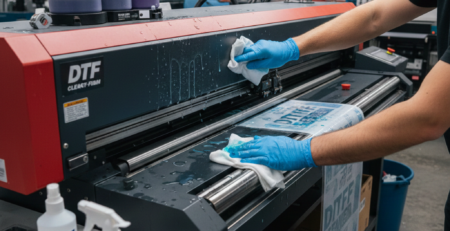
- Clean print heads weekly
- Shake white ink daily
- Use proper RIP settings
- Store ink away from sunlight
- Keep room temperature stable
Using quality consumables like
DTF PET Film Matte Finish
and
DTF Hot Melt Powder
also improves ink performance.
Ink alone cannot fix poor film or powder quality.
Conclusion
DTF printing looks simple, but ink choice makes a huge difference. Understanding DTF Ink types helps you avoid beginner mistakes and get better prints from day one.
Start with water-based CMYK and white ink. Learn basic maintenance. Upgrade to specialty inks only when needed.
Good ink means fewer reprints, happier customers, and better profits.
Product Suggestions (Internal Use – Not Promotional)
- DTF White Ink 1L
- DTF CMYK Ink Set
- DTF PET Film Matte Finish
- DTF Hot Melt Adhesive Powder
- DTF Ink Maintenance Cleaning Solution
External References + Credits
- PrintIndustry.com – Textile ink fundamentals
- Fespa.com – DTF printing process and materials
- InkJetInsights.com – Ink chemistry and print durability
Credit: Information references from Fespa, PrintIndustry, and other public sources.

LEAVE A COMMENT