
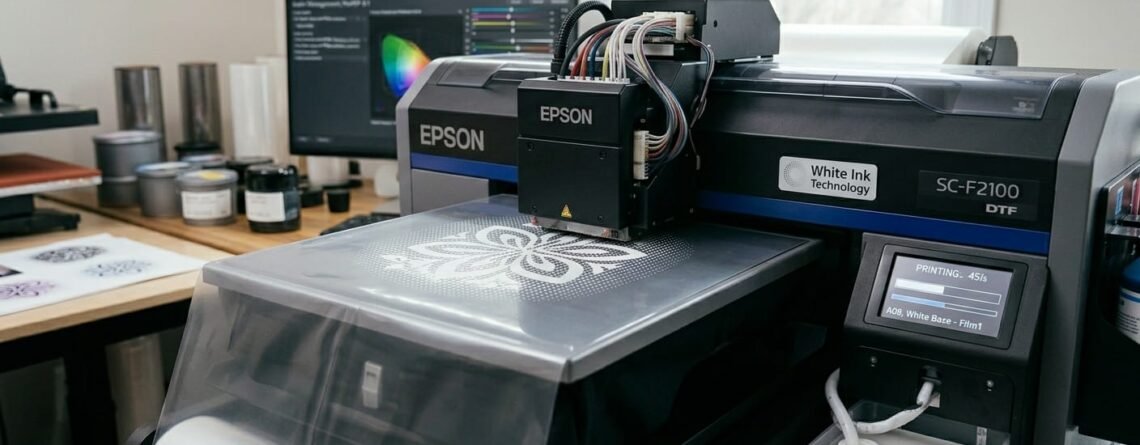
Best White Ink in DTF Printing and Why Is It So Important 2026
DTF (Direct to Film) printing is becoming very popular in the custom printing industry. It is simple, flexible, and works on almost any fabric. Unlike traditional methods, DTF does not require pre-treatment of garments.
Chat with our team for printers, consumables, film, powder and business setup guidance.
In this process, designs are printed on a special film, then transferred to fabric using heat. This method is widely used for t-shirts, hoodies, bags, and more.
But one thing makes this technology truly powerful — white ink in DTF printing.
Without it, many prints simply wouldn’t look right, especially on dark fabrics.
What Is White Ink?
White ink is a special type of pigment ink used in DTF printers. It is thicker than regular CMYK inks and contains titanium dioxide particles.
These particles give the ink its bright, solid white appearance.
In simple terms, white ink in DTF printing acts as a base layer. It allows colors to appear clearly on any fabric, whether light or dark.
Think of it like painting on a black wall. If you directly use colors, they won’t show well. But if you first apply a white coat, everything becomes vibrant.
That’s exactly what white ink does.
Role of White Ink as Underbase
One of the most important roles of white ink in DTF printing is acting as an underbase.
This means:
- It is printed first
- Then colors are printed on top of it
This layer ensures that the design stands out properly.
For example:
- On black t-shirts → white ink makes colors pop
- On colored fabrics → it prevents color mixing
Without this base layer, your design may look dull, faded, or even invisible.

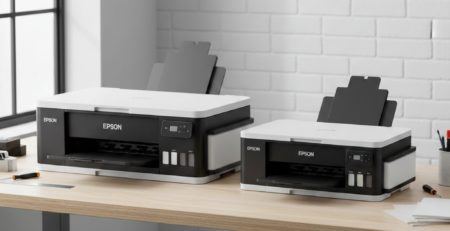
Most modern DTF printers like 🔵 ProlificGeeks DTF Printer L1800 automatically handle this layering process. It makes printing easier and more accurate.
Why White Ink Is Essential
Let’s be honest — without white ink in DTF printing, DTF wouldn’t be as powerful as it is today.
Here’s why it is essential:
1. Works on All Fabric Colors
White ink allows printing on:
- Dark fabrics
- Bright fabrics
- Mixed colors
2. Improves Color Accuracy
Colors stay true and vibrant.
3. Enhances Design Quality
Fine details become sharper and clearer.
4. Increases Print Visibility
Even small text becomes readable.
If you are using high-end print heads like 🔵 XP600 or 🔵 i3200, white ink performance becomes even better because of smoother ink flow and precision.
Benefits on Dark Fabrics
This is where white ink in DTF printing becomes a game changer.
Printing on dark fabrics is usually difficult. Traditional methods often fail or require extra steps.
But with white ink:
- Colors appear bright
- No color bleeding
- No dull finish
Example:
If you print a red design on a black t-shirt:
- Without white ink → it looks dark and faded
- With white ink → it looks bright and bold
This is why businesses prefer DTF for custom apparel.
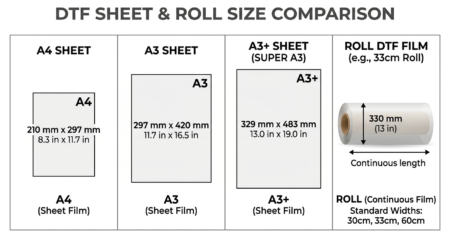
Using quality materials like 🔵 DTF PET Film A3 Sheets also helps improve the final output.
Printing Process with White Ink
Let’s understand how white ink in DTF printing works step-by-step:
Step 1: Design Preparation
The design is prepared using RIP software. White layer is added automatically.
Step 2: Printing on Film
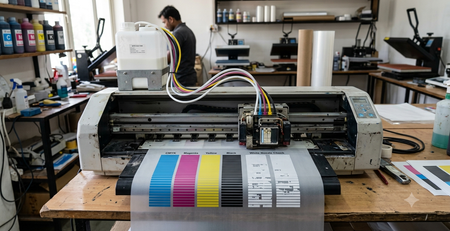
Printer prints:
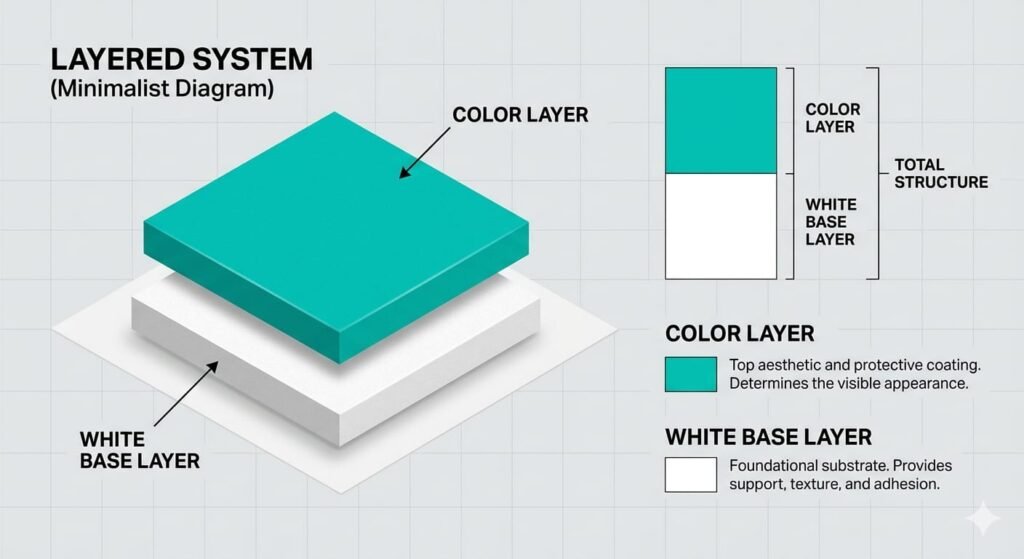
- First → white ink layer
- Then → color ink layer
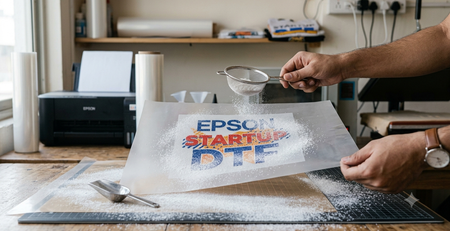
Step 3: Powder Application
Adhesive powder is applied to the printed film.
Step 4: Curing
The film is heated to cure the powder.
Step 5: Heat Transfer
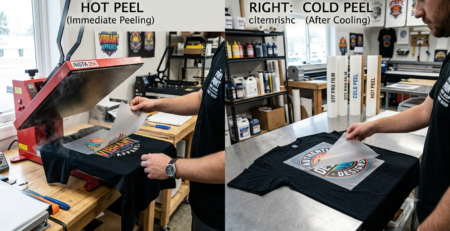
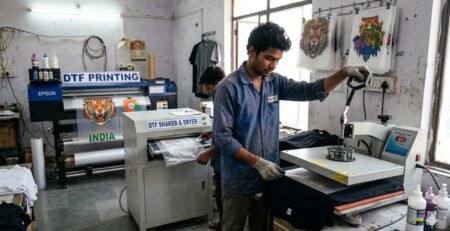
Design is transferred to fabric using a heat press.
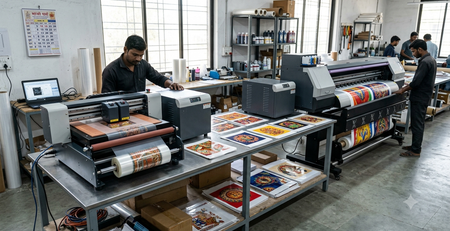
Machines like 🔵 Double Head DTF Printer Setup make this process faster for bulk production.
White Ink Maintenance Tips
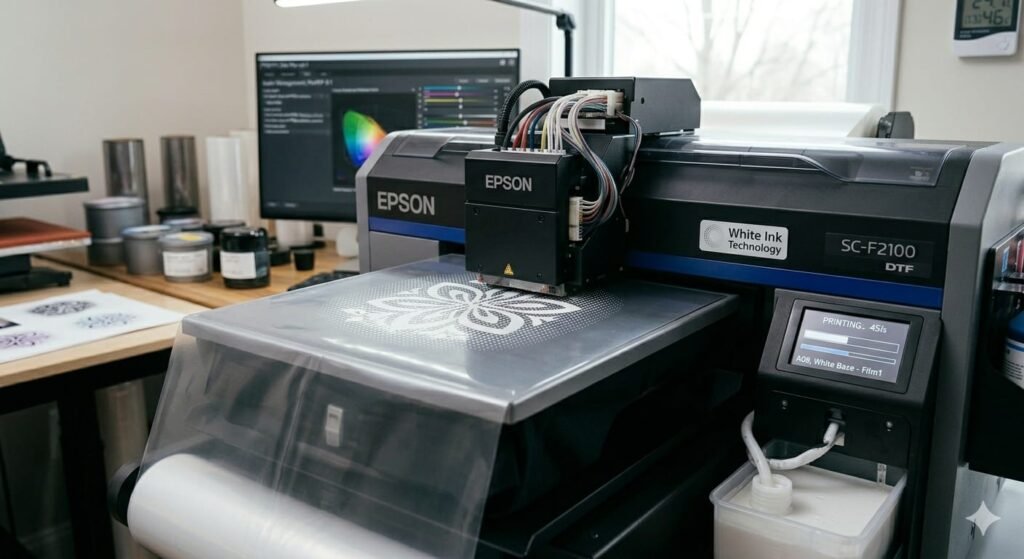
White ink needs more care compared to other inks. This is because it can settle or clog easily.
Here are some simple tips:
1. Daily Printing
Print something every day to keep ink flowing.
2. Shake Ink Bottles
White ink settles due to heavy particles. Shake gently before use.
3. Regular Cleaning
Clean print heads and ink lines weekly.
4. Use Good Quality Ink
Cheap ink causes clogging.
5. Maintain Temperature
Keep room temperature stable.
Ignoring maintenance can damage printers, especially expensive heads like 🔵 i3200.
Common Challenges and Solutions
Even though white ink in DTF printing is powerful, it comes with some challenges.
Problem 1: Ink Settling
Solution: Regular shaking and circulation
Problem 2: Print Head Clogging
Solution: Routine cleaning and proper shutdown
Problem 3: Uneven Printing
Solution: Check RIP settings and white layer density
Problem 4: High Ink Consumption
Solution: Optimize design and reduce unnecessary white areas
Problem 5: Cracking Prints
Solution: Use proper curing temperature and quality powder
Using reliable equipment like 🔵 DTF Powder Adhesive Premium Grade reduces many of these issues.
Conclusion
Now you understand why white ink in DTF printing is so important.
It is not just another ink — it is the foundation of the entire printing process.
Without it:
- Colors won’t pop
- Designs won’t look professional
- Dark fabric printing becomes difficult
With it:
- You get vibrant prints
- Better quality
- More business opportunities
If you are serious about DTF printing, learning how to handle white ink properly is a must.
It may require a bit of maintenance, but the results are totally worth it.
Product Suggestions (Used in Blog)
🔵 ProlificGeeks DTF Printer L1800
🔵 XP600 Printhead
🔵 i3200 Printhead
🔵 DTF PET Film A3 Sheets
🔵 Double Head DTF Printer Setup
🔵 DTF Powder Adhesive Premium Grade
External References
- PrintIndustry.com
- Fespa.com
- InkJetInsights.com
- ResearchGate
Credit: Information references from Fespa, PrintIndustry, and other public sources.

LEAVE A COMMENT