
DTF Printing 7 Powerful ROI Truths: Profitable vs Risky Sublimation Business
Introduction
If you are planning to start a custom printing business, this question always comes first:
DTF Printing or Sublimation which one gives better return on investment?
Chat with our team for printers, consumables, film, powder and business setup guidance.
Many small print shops fail not because of lack of orders, but because they choose the wrong printing method for their market. ROI is not just about machine price. It is about fabric flexibility, repeat orders, production speed, and long-term profit.
In this article, we break down DTF Printing vs Sublimation business using real numbers, practical examples, and simple logic. No hype. No selling talk. Just facts.
Overview
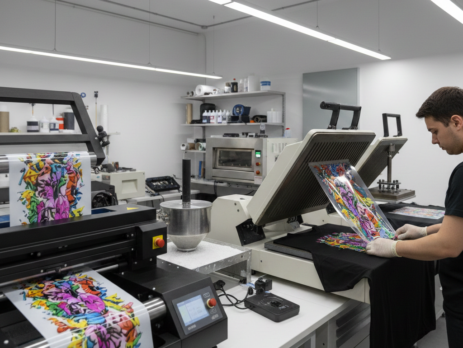
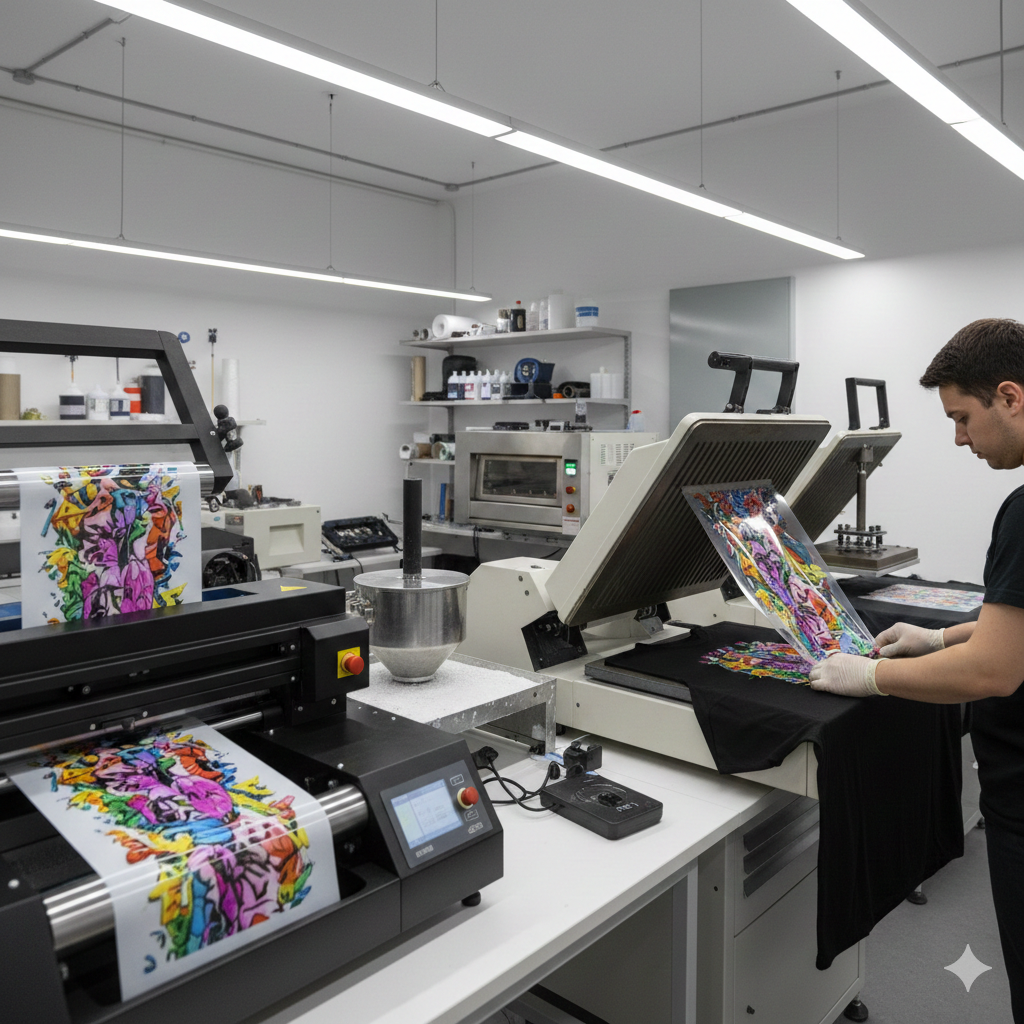
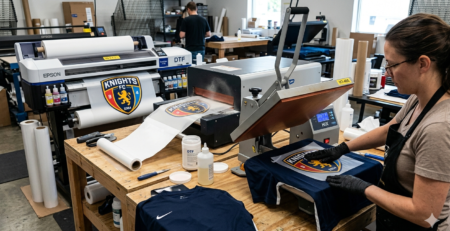
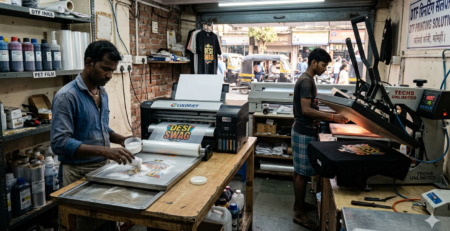
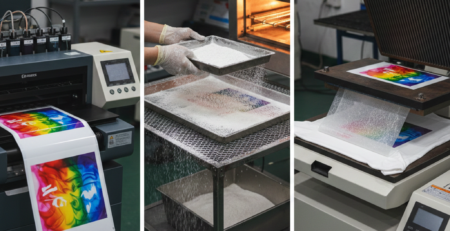
DTF Printing (Direct to Film) is a modern method where designs are printed on a special film, coated with adhesive powder, heat cured, and then transferred to fabric using a heat press.
The biggest advantage of this printing is flexibility. You can print on cotton, polyester, blends, denim, hoodies, caps, and even dark fabrics.
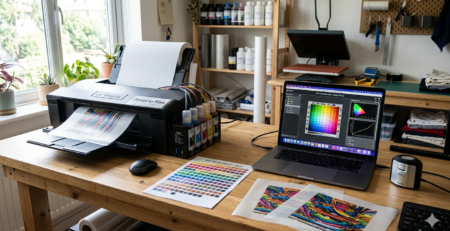
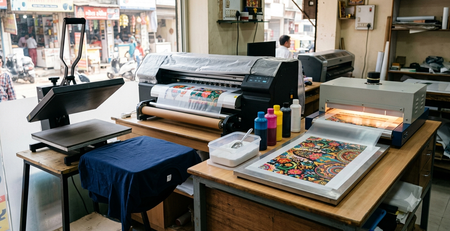
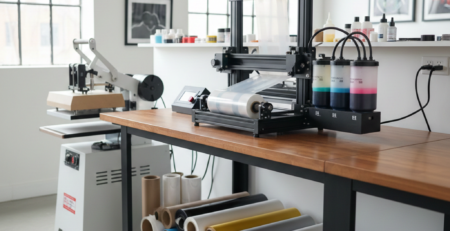
A typical DTF setup includes a printer, PET film, DTF inks, adhesive powder, and a heat press. Many small businesses start with compact setups like
DTF Printers and upgrade later.
This Printing works well for:
- T-shirts
- Hoodies
- Corporate uniforms
- Sportswear
- Custom merchandise
Overview of Sublimation Printing
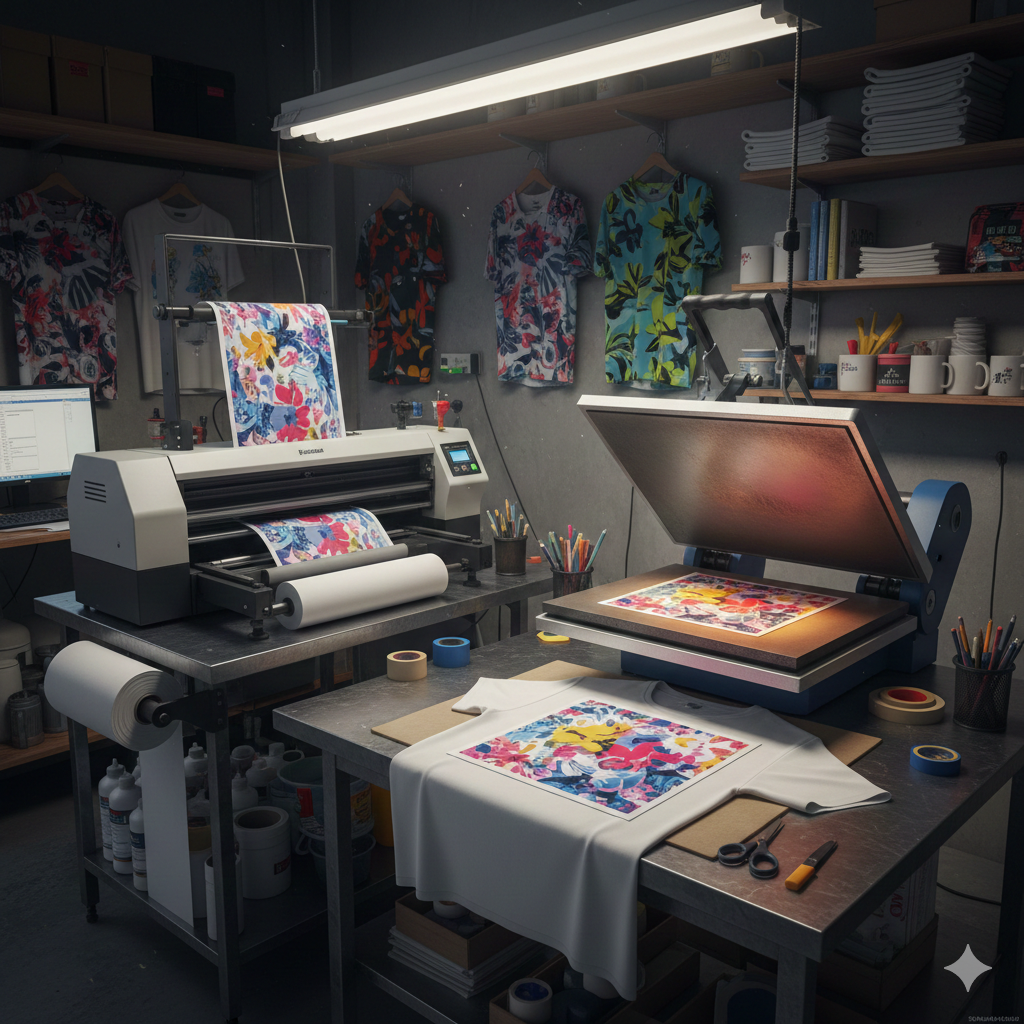
Sublimation printing uses heat to convert ink into gas that bonds with polyester fabric or polymer-coated surfaces.
It is a clean process with no extra powder or film handling. However, sublimation has a major limitation: only light-colored polyester fabrics work well.
Sublimation is popular for:
- Polyester sports jerseys
- Mugs and tiles
- Mouse pads
- Promotional gifts
If your local market demands cotton garments, sublimation becomes restrictive.
Initial Startup Costs Comparison
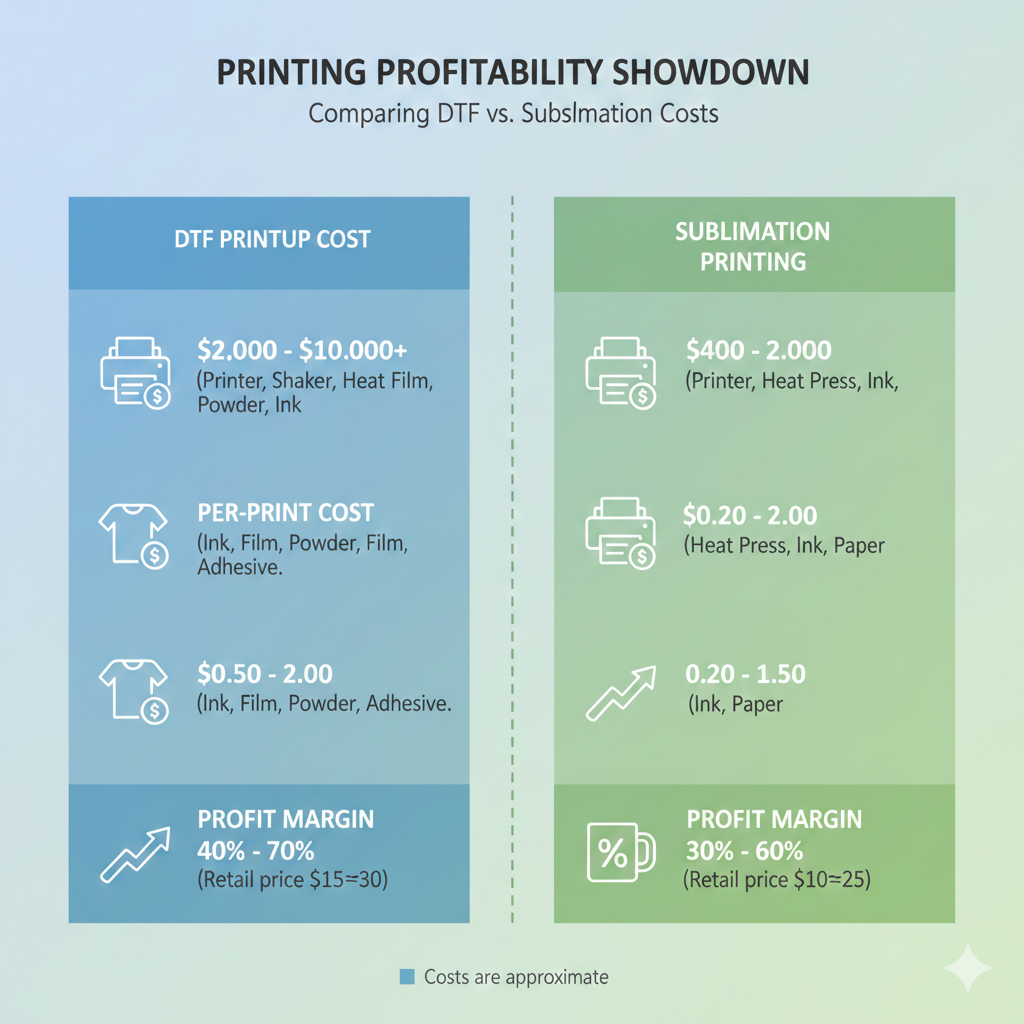
Startup cost plays a big role in ROI.
DTF Printing Setup (Entry Level):
- DTF Printer
- Heat Press
- Curing method
- Consumables
Typical investment: ₹1.5 – ₹3.5 lakhs
A setup using items like
DTF Ink and
DTF PET Film
can be expanded later without replacing the printer.
Sublimation Setup:
- Sublimation printer
- Heat press
- Basic inks and paper
Typical investment: ₹70,000 – ₹1.5 lakhs
Sublimation looks cheaper at the start, but ROI depends on product range.
Per-Print Production Costs
Let’s compare average cost per T-shirt.
DTF Printing Cost Per Print:
- Ink: ₹20–30
- Film & powder: ₹25–35
- Electricity & labor: ₹10
Total: ₹55–75 per print
Sublimation Cost Per Print:
- Ink: ₹15–20
- Paper: ₹10
- Polyester T-shirt cost is higher
Total: ₹35–50 per print
DTF Printing costs more per print, but allows higher selling price.
Key Operational Differences (Fabrics, Durability, Scalability)
Fabric Compatibility
- DTF Printing: Cotton, poly, blends, dark colors
- Sublimation: Polyester only, light colors
Durability
- DTF Printing transfers last 40–60 washes
- Sublimation becomes part of fabric, very durable
Scalability
- DTF Printing scales better for mixed orders
- Sublimation is limited to specific SKUs
If you plan bulk corporate orders, DTF Printing offers more control.
Revenue Potential Breakdown
Let’s talk real numbers.
DTF Printing Average Selling Price:
- T-shirt: ₹399–699
- Hoodie: ₹899–1499
Sublimation Average Selling Price:
- T-shirt: ₹349–499
DTF Printing allows premium pricing due to fabric choice and print opacity.
Profit Margins Table
| Printing Type | Avg Cost | Avg Selling Price | Profit per Piece |
|---|---|---|---|
| DTF Printing | ₹65 | ₹550 | ₹485 |
| Sublimation | ₹45 | ₹425 | ₹380 |
Higher margin does not always mean higher ROI, but it helps recover investment faster.
ROI Calculation Scenarios
DTF Printing Example:
- Daily prints: 20
- Monthly prints: 600
- Avg profit: ₹480
Monthly profit: ₹2,88,000
Sublimation Example:
- Daily prints: 20
- Monthly prints: 600
- Avg profit: ₹380
Monthly profit: ₹2,28,000
This Printing pulls ahead if demand exists.
Break-Even Analysis
DTF Printing Break-Even:
- Investment: ₹2.5 lakhs
- Monthly profit: ₹2.8 lakhs
- Break-even: 1–2 months
Sublimation Break-Even:
- Investment: ₹1 lakh
- Monthly profit: ₹2.2 lakhs
- Break-even: 1 month
Sublimation recovers faster but plateaus sooner.
Real-World Case Studies
A local print shop in Delhi started with sublimation for sports jerseys. Orders were seasonal. They later added this Printing and started printing cotton uniforms and event merchandise.
Result:
- 35% increase in monthly revenue
- More repeat customers
- Less dependency on polyester fabric availability
This pattern is common across small Indian print shops.
Risks and Challenges
DTF Printing Risks:
- Improper powder curing
- Film quality issues
- Learning curve
Using reliable consumables like
DTF Powder
and Heat Press Machines
reduces waste.
Sublimation Risks:
- Limited fabric options
- Price competition
- Lower order diversity
Recommendation Criteria
Choose DTF Printing if:
- You want flexibility
- You plan to serve multiple garment types
- You aim for higher long-term ROI
Choose sublimation if:
- You only print sportswear
- You want low initial investment
- Your market is polyester-focused
Conclusion with Action Steps
DTF Printing is not perfect, but it is versatile. Sublimation is simple, but limited.
If you want steady growth, broader customers, and better pricing control, DTF Printing offers stronger long-term ROI.
Action Steps:
- Study your local garment demand
- Start small with DTF Printing
- Control costs with quality consumables
- Scale once orders stabilize
Product Suggestions (Blue Color)
(All products referenced from DTFshop.in)
External References + Credits
Helpful industry resources:
Credit: Information references from Fespa, PrintIndustry, and other public sources.

Leave a Reply