
DTF inks Ultimate Guide: 7 Proven Ways to Store DTF Inks, Powders & Films Correctly
Table of Contents
Introduction
If you work with DTF printing, storage is not something you should ignore. Many print quality problems come from poor storage habits, not machine faults. DTF inks, powders, and films are sensitive materials. Heat, air, moisture, and dust can ruin them faster than expected.
I have seen print shops lose money just because DTF inks dried inside bottles or powders absorbed moisture during monsoon season. Good storage keeps colors sharp, prints flexible, and machines running smoothly.
Chat with our team for printers, consumables, film, powder and business setup guidance.
This guide explains how to store DTF inks, powders, and films correctly using simple, practical steps you can follow in any print setup.
DTF Inks Storage
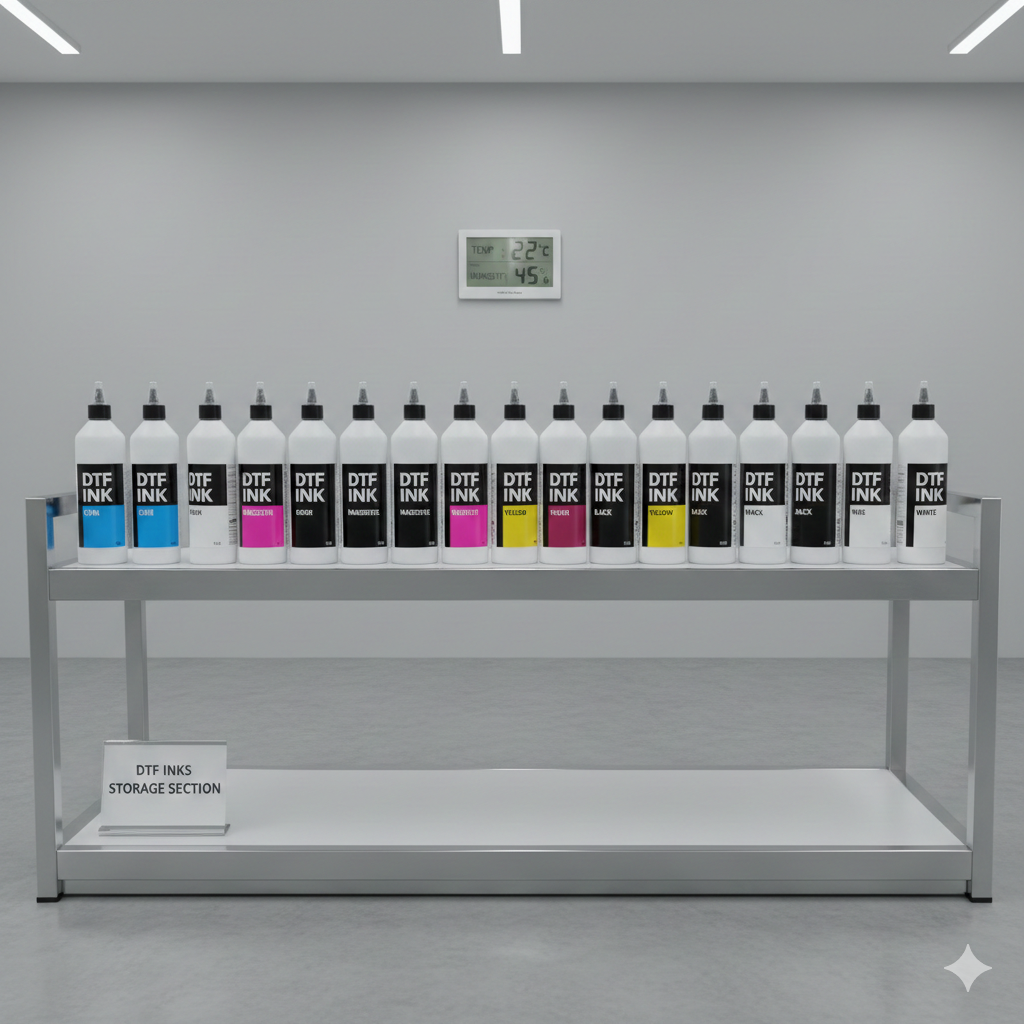
DTF inks are water-based and finely pigmented. That makes them powerful but also delicate.
Containers and Sealing
Always store DTF inks in their original bottles. These bottles are designed to block light and reduce air exposure. Never transfer ink into open jars or reused containers.
After every use:
- Close the cap tightly
- Wipe the bottle mouth
- Shake gently before storing
Air is the biggest enemy of DTF inks. Even small leaks allow ink to thicken over time.
If you use bulk ink daily, consider using sealed ink tanks connected to the printer. Products like
DTF CMYK Ink Set
are designed for consistent flow and safe storage when used correctly.
Temperature and Humidity
DTF inks should be stored between 15°C and 30°C. Avoid direct sunlight or hot rooms.
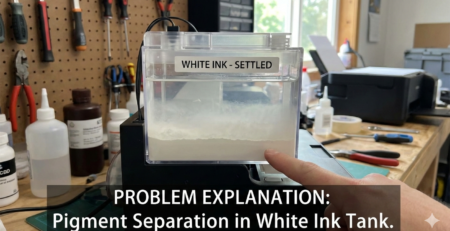
High humidity can cause ink separation and bacterial growth. Low humidity can lead to faster drying inside nozzles.
Practical tip:
If you feel uncomfortable sitting in the room due to heat or damp air, your DTF inks feel the same.
Shelf Life Guidelines
Most DTF inks have a shelf life of 6–12 months if unopened. Once opened, try to use them within 3–6 months.
Always:
- Mark the opening date on the bottle
- Rotate older stock first
- Shake gently once a week if stored unused
Expired DTF inks may still print but can cause dull colors and poor wash resistance.
DTF Powders Storage
DTF powder plays a big role in adhesion and durability. Poor storage often leads to clumping and uneven melting.
Airtight Containers
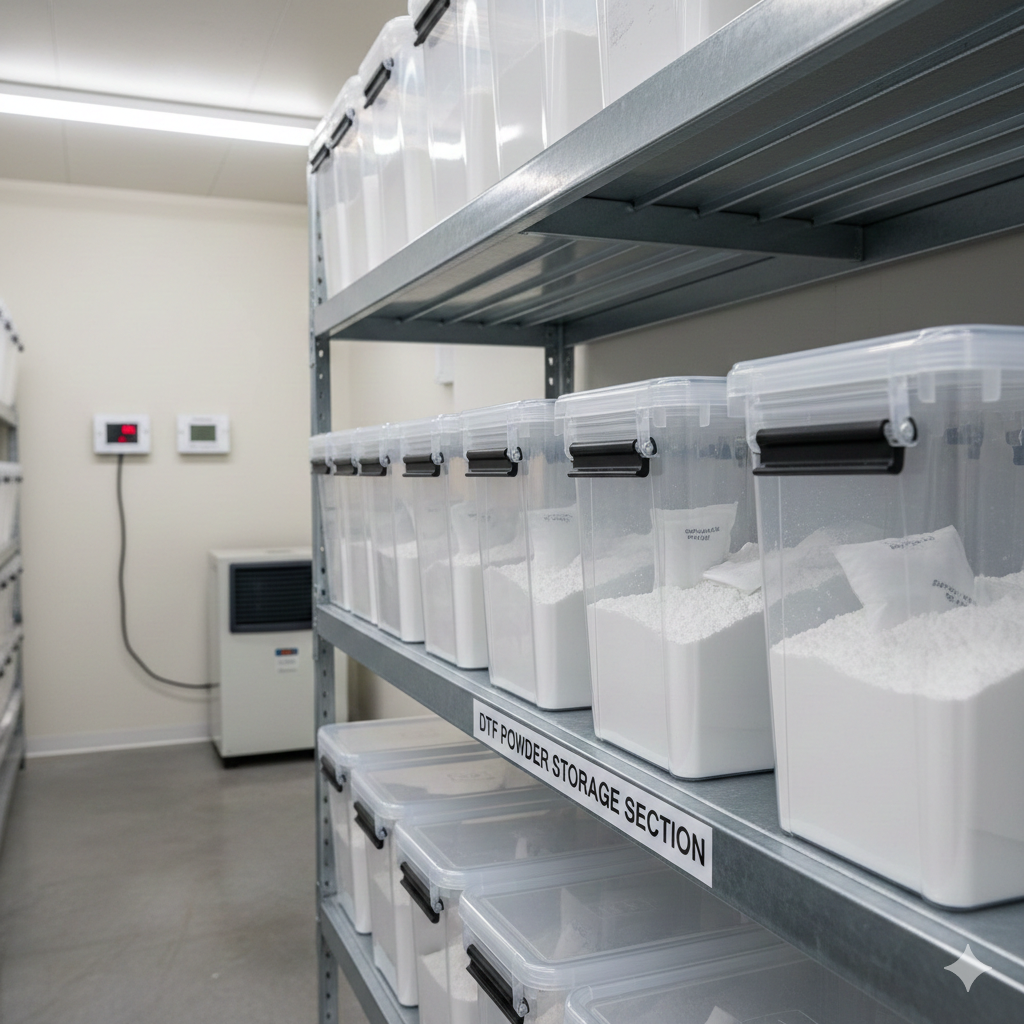
DTF powder must always be stored in airtight containers. Even a few hours of exposure to air can pull moisture into the powder.
If the original packaging is damaged, transfer the powder into:
- Plastic airtight jars
- Metal containers with rubber seals
A good example is
Premium DTF Hot Melt Powder
which performs best when stored properly.
Moisture Control
Moisture is the number one enemy of DTF powder.
To control moisture:
- Store powder in a dry room
- Use silica gel packets inside containers
- Avoid placing containers on the floor
Monsoon tip:
During rainy seasons, run a dehumidifier or AC for a few hours daily in your storage room.
Handling and Contamination Prevention
Never scoop powder with wet hands or tools. Oil, sweat, and dust can contaminate it.
Use:
- Clean, dry scoops
- Gloves if possible
- Separate containers for used and unused powder
Contaminated powder causes uneven bonding and rough print texture.
DTF Films Storage
DTF films look simple but are very sensitive to pressure, light, and heat.
Flat Stacking Method
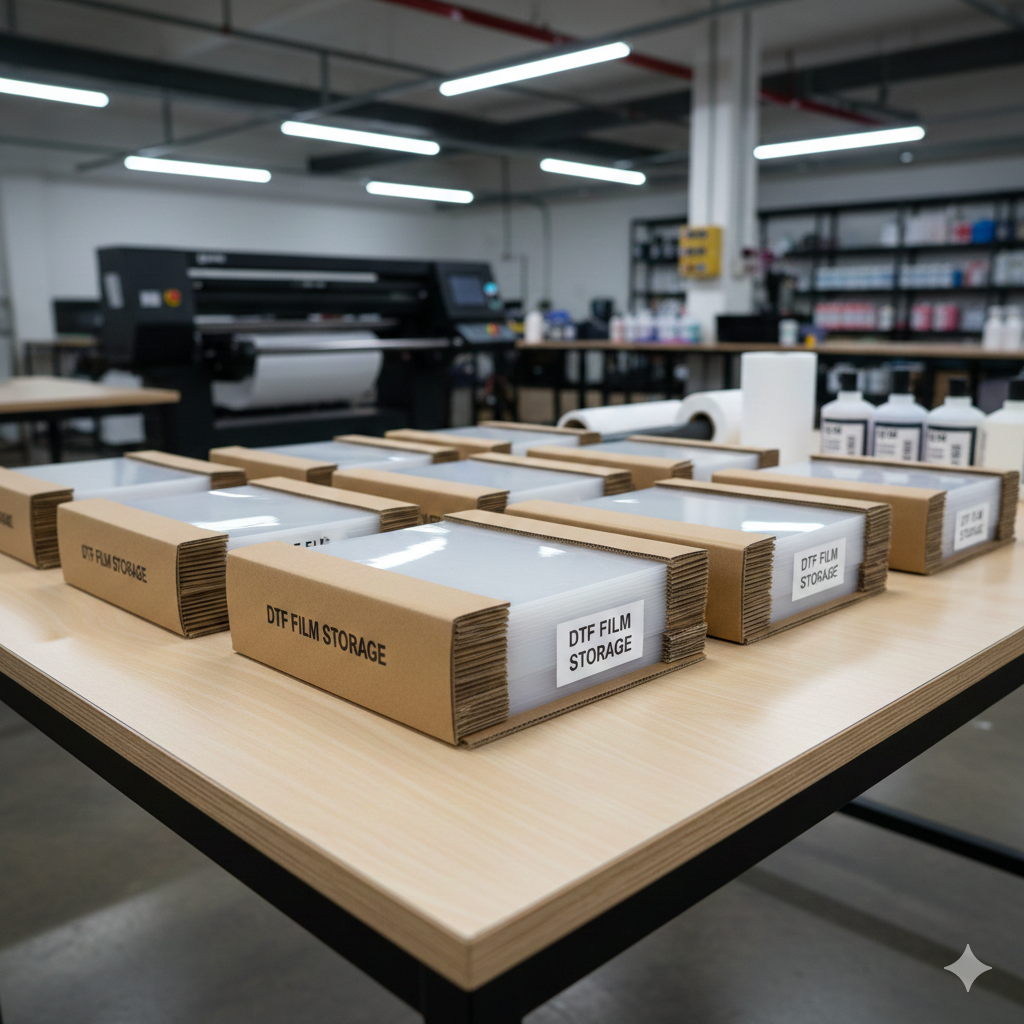
Always store DTF films flat. Never roll them unless the manufacturer allows it.
Stack films:
- On a flat surface
- With cardboard sheets on top and bottom
- Without heavy weight
Products like
Cold Peel DTF Film A3
stay smooth longer when stored flat.
Light and Heat Avoidance
DTF films react badly to heat and UV light. Exposure can cause:
- Curling
- Static issues
- Ink rejection
Store films:
- Away from windows
- In cool, shaded areas
- Inside original packaging
Short vs Long-Term Tips
Short-term use (daily printing):
- Keep films in sealed plastic sleeves
- Remove only what you need
Long-term storage:
- Keep films in cartons
- Use moisture absorbers
- Store vertically with support if space is limited
General Best Practices
These habits help extend the life of all DTF materials:
- Keep storage rooms clean
- Avoid mixing old and new stock
- Label everything clearly
- Train staff on handling basics
- Clean spills immediately
Using reliable consumables such as
DTF White Ink – High Opacity
also reduces storage-related issues because stable inks tolerate conditions better.
Common Mistakes to Avoid
Many problems happen because of small mistakes:
- Leaving DTF inks uncapped overnight
- Storing powders near wash areas
- Placing films near heat press machines
- Ignoring expiry dates
- Using damaged containers
Another common mistake is buying in bulk without proper storage space. Even the best products like
DTF Transfer Film Roll
can fail if stored incorrectly.
Conclusion
Correct storage is not complicated, but it requires discipline. DTF inks, powders, and films are sensitive materials. When stored properly, they reward you with smooth printing, strong adhesion, and long-lasting prints.
Think of storage as part of your printing process, not an afterthought. A few good habits can save ink, reduce waste, and improve customer satisfaction.
Whether you run a home setup or a full print shop, proper storage keeps your DTF inks performing at their best every single day.
Product Suggestions (Blue Color)
External References + Credits
Helpful reading sources:
Credit: Information references from Fespa, PrintIndustry, and other public sources.

Leave a Reply