
DTF Print Ultimate Guide: How to Start a Profitable Small Business with DTF Printing
Table of Contents
How to Start a Small Business with DTF Printing
Introduction to DTF Printing
It is one of the fastest-growing methods in garment decoration today. It stands for Direct to Film printing. Instead of printing directly on fabric, the design is printed on a special film and then transferred to the garment using heat.
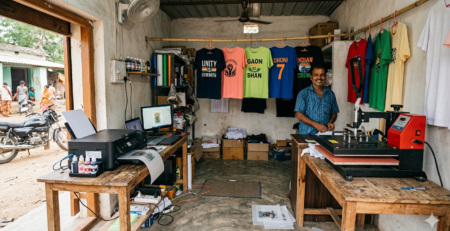
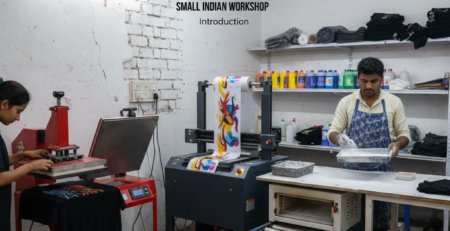
Many small business owners choose DTF Print because it works on cotton, polyester, blends, light and dark fabrics. You don’t need large space or heavy investment like screen printing. With the right setup, even a home-based business can succeed.
Chat with our team for printers, consumables, film, powder and business setup guidance.
I have seen small print shops start with one printer and later ship orders across states and countries. This guide explains how you can do the same, step by step, in simple language.
Business Planning Basics
Before buying machines, plan your business clearly.
Start by deciding:
- Will you print for local shops or sell online?
- Custom t-shirts, bulk orders, or both?
- Local sales only or export later?
DTF Print businesses usually grow faster when they focus on one niche first. For example, custom t-shirts for local events or sports teams.
Write down:
- Startup budget
- Monthly expenses
- Expected selling price per print
- Break-even time
Many beginners underestimate ink, film, and maintenance costs. Always keep a small buffer. Good planning saves money later.
Essential Equipment List
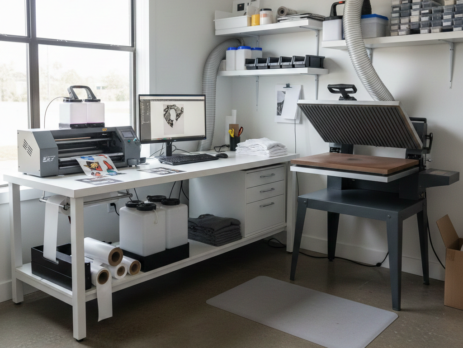
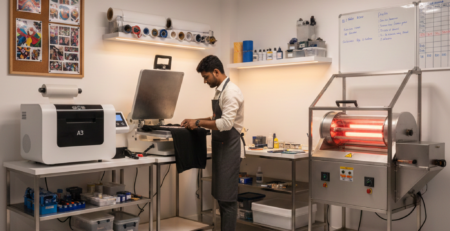
You don’t need everything at once, but some tools are essential for DTF Print work.
Here is a basic list:
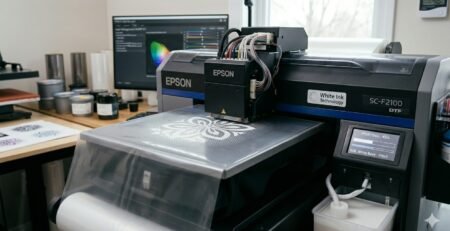
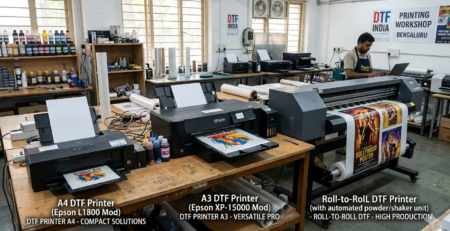
- DTF Printer
- Heat Press Machine
- Powder Shaker or Manual Powder Tray
- Curing System
- Computer with RIP Software
Reliable equipment makes daily work easier. Entry-level printers are enough for beginners.
Many small businesses use items like
DTF Printers
These are commonly used by small print shops because they are stable and easy to maintain.
Workspace Setup Guide
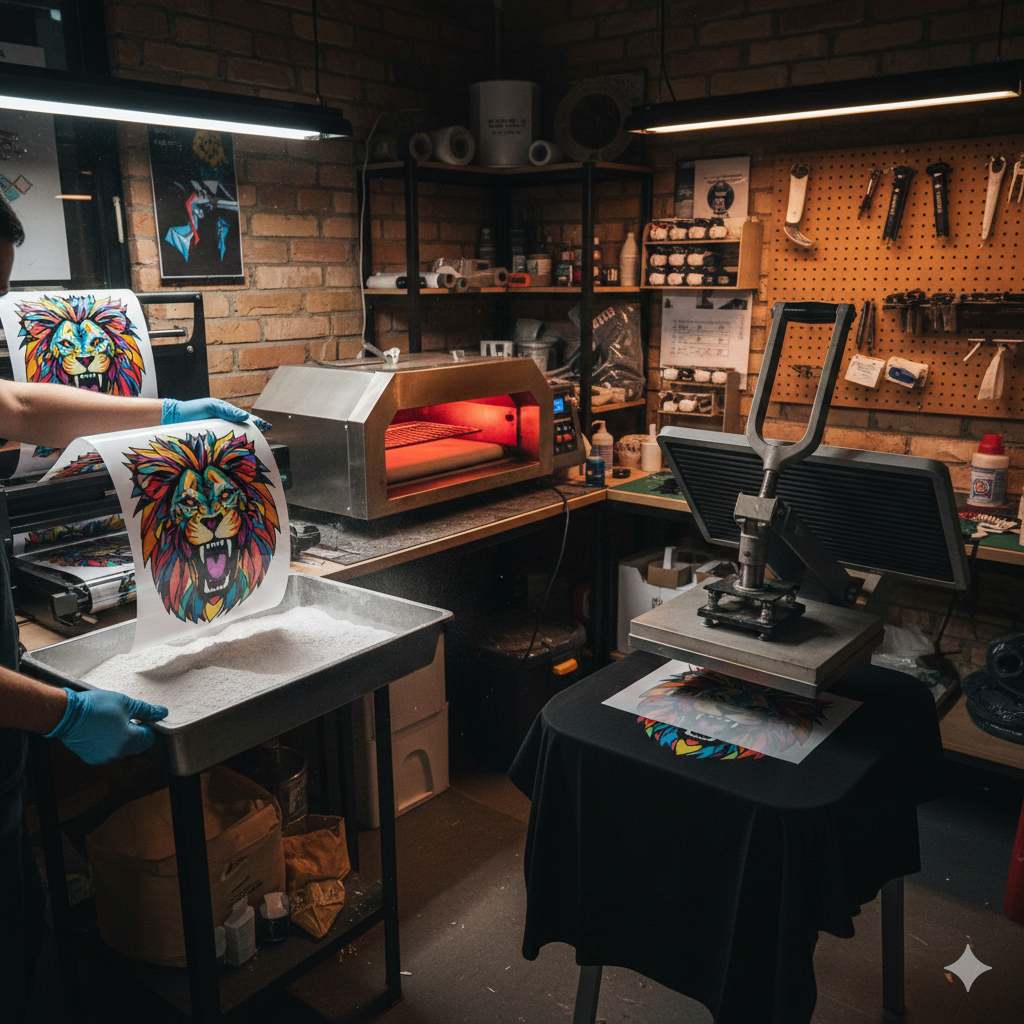
You don’t need a factory. A small room or garage works well.
Basic requirements:
- Clean area with less dust
- Proper ventilation
- Stable power supply
- Flat table for powdering
Keep printer away from direct sunlight and moisture. Store DTF Print films in a dry place. Ink should be shaken daily to avoid clogging.
I’ve seen people work in 10×12 ft rooms comfortably. Organization matters more than size.
Learning DTF Process
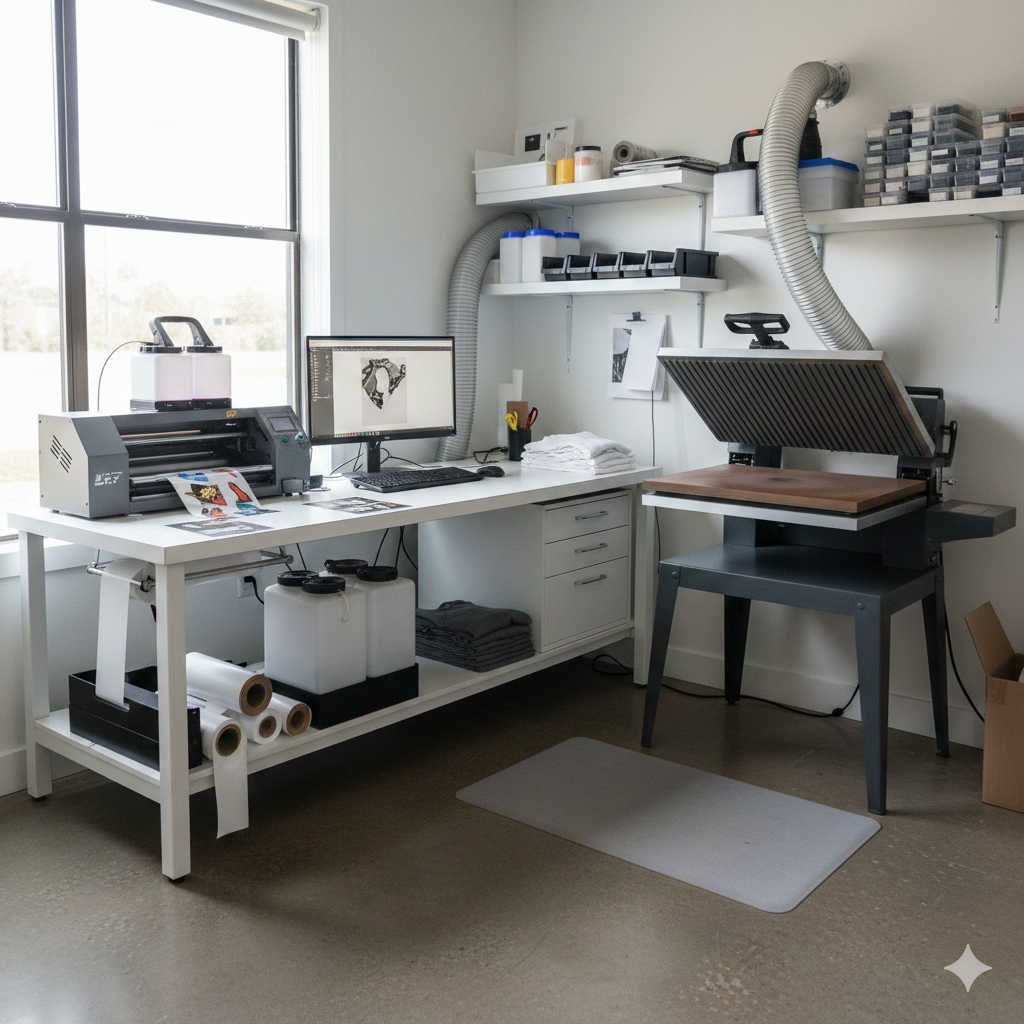
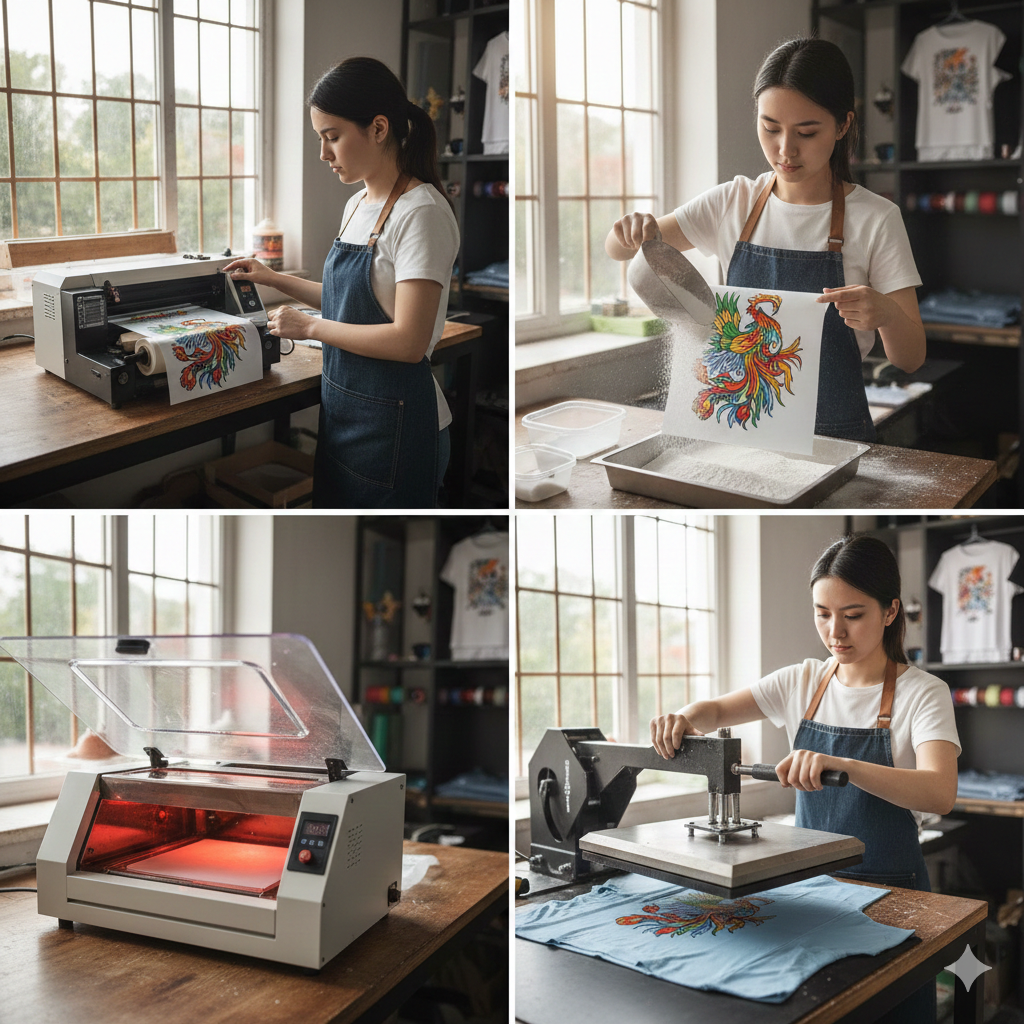
The DTF Print process is simple once you practice.
Basic steps:
- Create or receive design
- Print design on DTF film
- Apply adhesive powder
- Cure the powder
- Heat press on garment
- Peel and final press
At first, prints may crack or feel rough. That’s normal. Adjust temperature, pressure, and curing time.
Many beginners improve quality within 2–3 weeks of daily work. Watch real demos and test on waste fabric.
Sourcing Materials
Good raw materials decide print quality.
Always test:
- Film thickness
- Ink density
- Powder melting quality
Cheap materials may save money short-term but cause customer complaints.
Most successful DTF Print businesses source:
- PET films with consistent coating
- Soft-feel inks
- Fine-grain adhesive powder
Using reliable suppliers like DTFshop.in DTF Consumables helps maintain consistent output, especially when orders increase.
Legal and Registration Steps
Even small DTF Print businesses should be registered.
Common steps:
- Business registration (sole proprietorship or LLP)
- GST or tax registration
- Local trade license
- Bank account in business name
If you plan exports, you will also need:
- IEC (Import Export Code)
- Export documentation knowledge
Understanding export rules for printing business helps avoid shipment delays.
Marketing Strategies
You don’t need big ads to get customers.
Start simple:
- WhatsApp catalog
- Instagram page with real prints
- Local shop visits
- Tie-ups with designers
Post short videos showing peel quality and wash tests. People trust visuals.
DTF Print samples work better than brochures. Give free samples to local clothing stores. Many long-term clients start this way.
Pricing and Sales
Pricing should cover costs and profit.
Calculate:
- Film cost
- Ink cost
- Powder cost
- Electricity
- Labor
- Machine wear
Add profit margin slowly. Don’t underprice heavily.
DTF Print customers prefer stable quality over cheap rates. Offer clear pricing slabs for bulk orders.
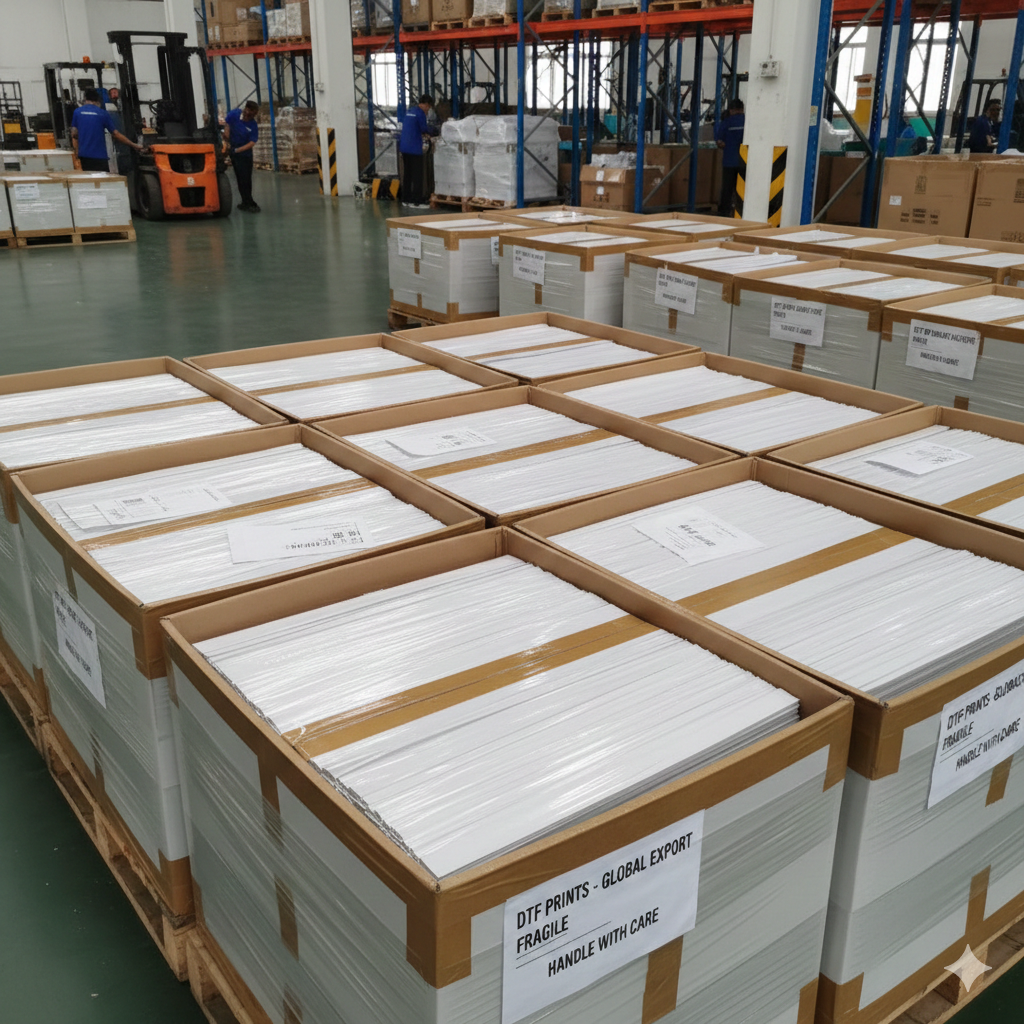
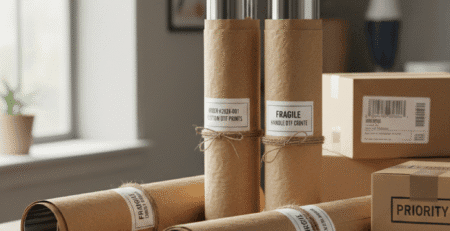
For export, understand DTF printing business export guide basics:
- Packing methods
- HS codes
- Courier vs cargo
- DTF print shipping process
Launch and Growth Tips
Start small. Focus on quality.
Helpful growth tips:
- Maintain daily printer cleaning
- Keep backup ink and film
- Record settings that work
- Ask customers for feedback
Once stable, explore best countries for DTF print export like UAE, UK, Canada, and Australia. These markets value custom prints.
Prepare documents required for print export in advance to avoid delays.
DTF Print businesses grow well when owners stay hands-on and learn continuously.
External References + Credits
Helpful learning resources:
- PrintIndustry.com – Industry trends and print business insights
- Fespa.com – Global printing technology updates
- InkJetInsights.com – Technical inkjet printing knowledge



Leave a Reply