
Vinyl Printing 7 Powerful Reasons Why Its Future Looks Bright
Table of Contents
Introduction to Vinyl Printing
Vinyl printing has been a backbone of the signage, advertising, and décor industry for many years. From shop boards and vehicle wraps to wall graphics and event branding, vinyl printing is everywhere. It is popular because it is flexible, durable, and visually strong.
Today, this printing is no longer limited to basic designs or flat colors. With digital technology, prints are sharper, colors last longer, and production is faster. Businesses now expect more customization, shorter delivery times, and better environmental responsibility.
The future of this printing looks promising, but it also brings new challenges. Changes in materials, inks, and machines are shaping how printers work. Understanding these changes helps print businesses stay relevant and profitable.
Current State and Challenges
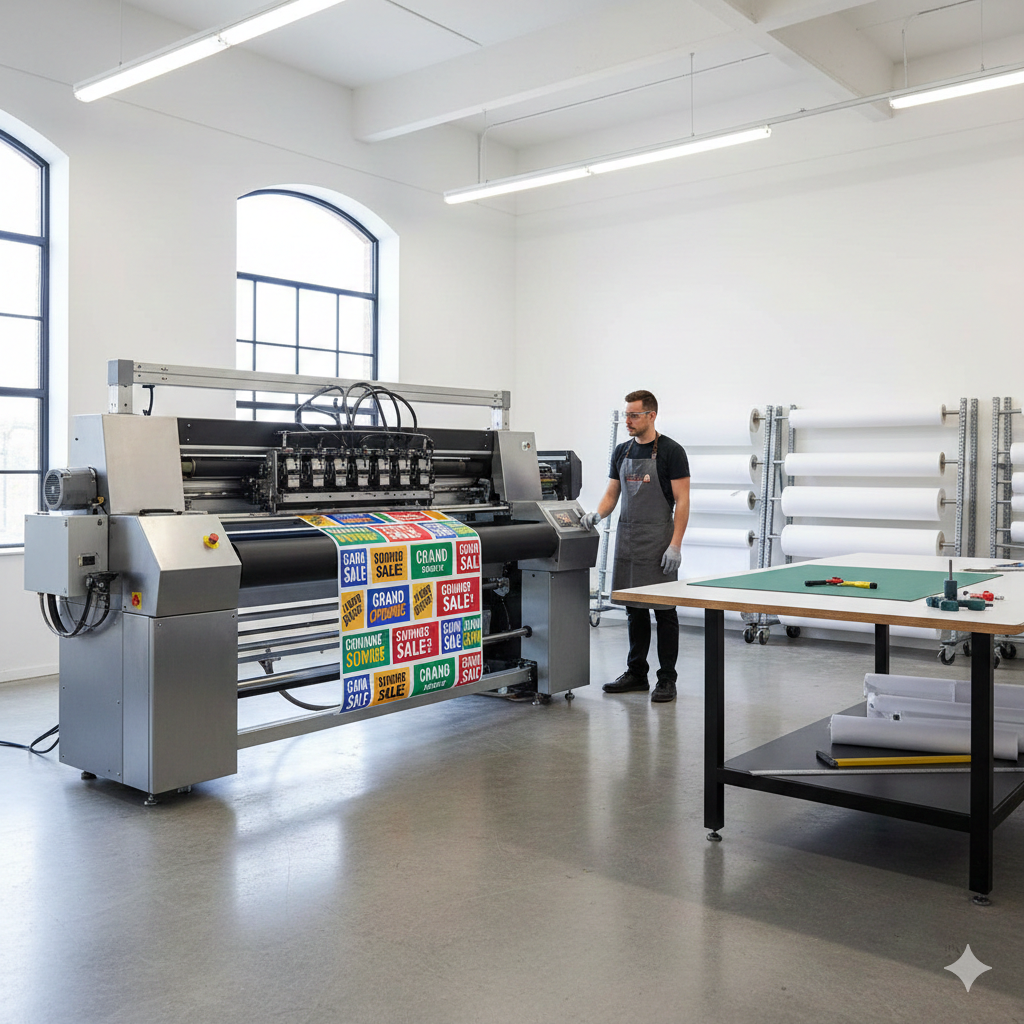
At present, vinyl printing is widely used across small print shops and large commercial printing units. Eco-solvent, latex, and UV printers dominate the market. These technologies allow printing on different vinyl types such as self-adhesive vinyl, reflective vinyl, and floor graphics.
However, the industry faces several challenges.
One major issue is rising material costs. Vinyl sheets and rolls are becoming more expensive due to raw material price changes. Another challenge is environmental pressure. Traditional vinyl contains PVC, which is not easy to recycle.
There is also intense competition. Many small printers offer similar services, which reduces margins. Customers now demand faster turnaround and lower prices, putting pressure on print shops.
Despite these issues, vinyl printing remains essential because no other material matches its durability and versatility for outdoor use.
Emerging Technologies and Innovations
Technology is driving the future of vinyl printing. One key trend is the shift toward advanced ink systems. Latex and UV inks are becoming more popular because they cure faster and produce less odor. This makes indoor use safer.
Automation is another big change. New printers come with smart sensors, automatic media alignment, and cloud-based monitoring. These features reduce errors and save time.
Print quality is also improving. Higher DPI printing allows fine text and detailed graphics. This is important for premium branding and retail displays.
Hybrid printers that can handle vinyl along with films and specialty materials are gaining attention. These machines help printers expand their service range without investing in multiple setups.
In practical terms, a small signage business can now take complex vinyl printing jobs with fewer skilled operators and less wastage.
Sustainability Trends
Sustainability is no longer optional. Customers ask about eco-friendly printing options, even for vinyl printing.
Manufacturers are developing PVC-free vinyl alternatives. These materials offer similar performance but are easier to recycle. Water-based and low-VOC inks are also becoming standard.
Energy-efficient printers reduce power consumption. Some machines automatically enter sleep mode when not in use.
Waste reduction is another focus area. Better RIP software helps optimize layouts, reducing vinyl waste. Proper maintenance also extends machine life, lowering overall environmental impact.
Print shops that adopt sustainable vinyl printing practices often gain trust from corporate clients and international brands.
Market Growth and Predictions
The global vinyl printing market continues to grow steadily. Demand from retail branding, vehicle graphics, interior décor, and exhibitions remains strong.
According to industry insights from Fespa and PrintIndustry reports, large-format vinyl printing is expected to see consistent growth due to urban advertising and retail expansion.
Customization plays a major role in this growth. Short-run, personalized vinyl prints are becoming more common. Local businesses want unique branding, not mass-produced designs.
Digital vinyl printing supports this trend by allowing quick changes without high setup costs.
Overall, vinyl printing will remain a key revenue stream for print businesses that adapt to new demands.

Key Players and Case Studies
Leading printer manufacturers and material suppliers are investing heavily in vinyl printing research. Companies are focusing on better adhesion, longer outdoor life, and improved color consistency.
Many print shops have upgraded from solvent printers to latex or UV systems. For example, a mid-sized signage company switched to latex vinyl printing and reduced delivery time by 30%. The prints were ready for installation immediately after printing.
Another example is retail chains using removable vinyl graphics for seasonal promotions. This allows quick updates without damaging surfaces.
Such real-life cases show that vinyl printing continues to evolve and offer practical value.
Future Opportunities and Risks
The future of vinyl printing brings many opportunities. Smart printing, faster machines, and sustainable materials open new markets. Interior décor, wall wraps, and personalized branding are growing areas.
However, risks also exist. Printers who ignore sustainability may lose clients. Rising costs can affect profitability if pricing is not managed carefully.
Skill gaps are another risk. Even with automation, operators must understand color management and material behavior.
The key is balance. Investing wisely, learning continuously, and listening to customer needs will define success in vinyl printing.
Conclusion and Call to Action
Vinyl printing is not disappearing. It is transforming. New technology, eco-friendly materials, and market demand are shaping its future.
Print businesses that adapt will thrive. Those who stay with outdated methods may struggle.
If you are involved in vinyl printing, now is the time to explore better materials, upgrade equipment, and focus on quality and sustainability. Small steps today can secure long-term growth.
Product Suggestions
(from DTFshop.in — mentioned naturally for practical reference)
Eco-Solvent Printable Vinyl Roll – useful for signage and indoor graphics
Printable Self-Adhesive Vinyl Sheets – ideal for stickers and branding
Cold Lamination Film for Vinyl Prints – adds durability to vinyl printing jobs
Large Format Cutting Plotter – helps finish vinyl printing projects cleanly
Premium Ink Set for Vinyl Printing Machines – supports long-lasting color output
External References + Credits
Helpful resources for deeper understanding:
Credit: Information references from Fespa, PrintIndustry, and other public sources.


Leave a Reply