
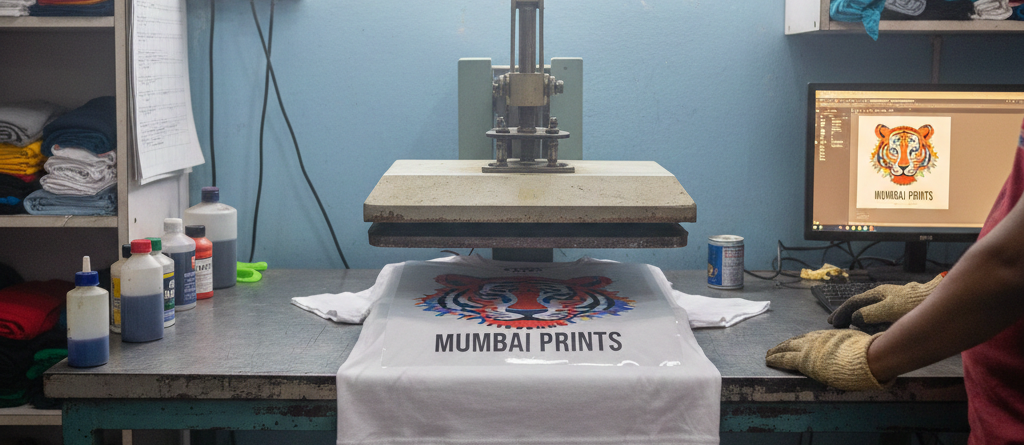
DTF Printed 7-Step Guide: How to Price T-Shirts for Maximum Profit
Table of Contents
Introduction to DTF T-Shirt Pricing
Pricing DTF Printed t-shirts is not just about adding a random margin on top of costs. Many small printers struggle because they either underprice and lose money or overprice and lose customers.
DTF Printed garments are popular in India because they work on cotton, polyester, blends, and even dark fabrics. But popularity also means competition. If your pricing is wrong, your business feels the pressure quickly.
In this guide, you’ll learn how to price DTF Printed t-shirts in a smart and realistic way. We’ll break down costs, show real examples, and explain how experienced printers think about pricing.
No theory. Only practical advice you can actually use.
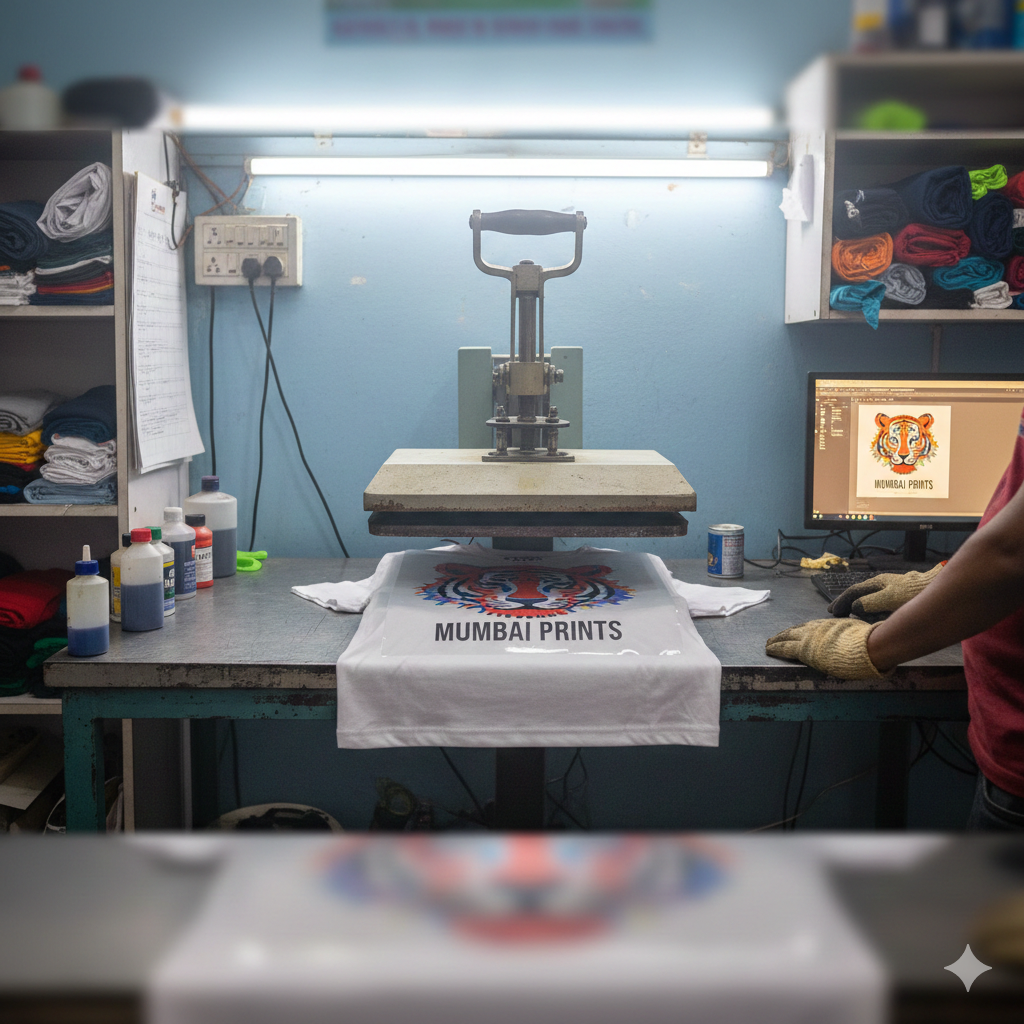
Understanding Production Costs in India
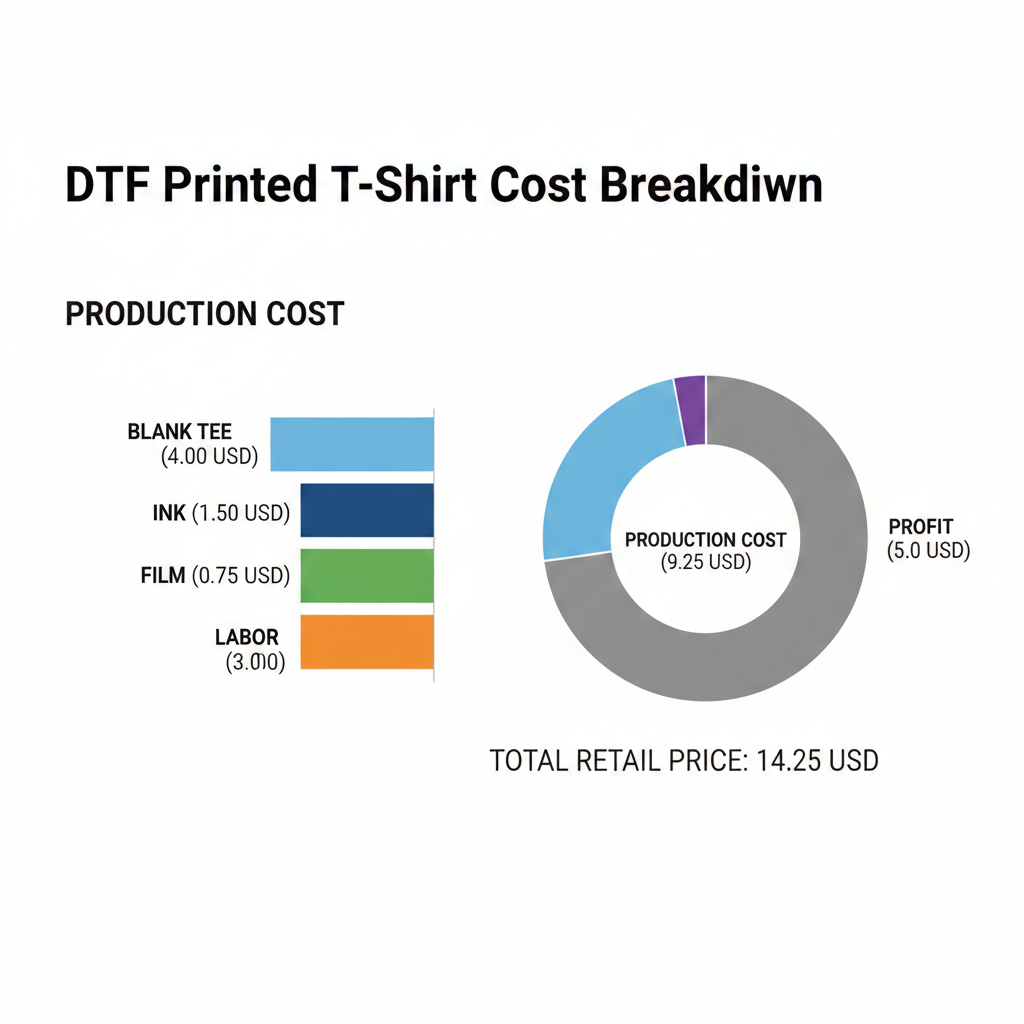
Before setting any price, you must know your exact cost per t-shirt. Guessing here is dangerous.
Main cost components
- Blank t-shirt cost
- DTF Printed transfer cost
- Heat press cost (electricity + time)
- Labor
- Packaging
A basic cotton t-shirt in India may cost ₹140–₹220 depending on GSM and brand. Your DTF Printed transfer cost depends on ink, film, powder, and print size.
Using quality supplies like DTF PET Film Roll and DTF Printing Ink Set helps reduce reprints and wastage.
On average, a standard A4 size DTF Printed design costs ₹35–₹60 per print if managed well.
Electricity for a heat press is small but should still be counted. A reliable machine such as a Professional Heat Press Machine keeps results consistent and saves time.
Market Research and Competitor Analysis
Never price in isolation.
Check:
- Local print shops
- Instagram sellers
- Online custom t-shirt websites
You’ll notice DTF Printed t-shirts in India usually sell between ₹399 to ₹999 depending on design complexity and brand positioning.
Low prices attract volume buyers. Higher prices work for niche designs or premium blanks.
Do not blindly copy prices. Use competitor pricing as a reference, not a rule.
Websites like PrintIndustry.com and Fespa.com regularly share pricing trends and market insights that help printers stay updated.
Profit Margin Calculation Methods
Most beginners make one mistake. They aim for “some profit” instead of a clear margin.
Simple margin rule
- Minimum margin: 30%
- Healthy margin: 40–60%
Example:
- Total cost per DTF Printed t-shirt = ₹260
- 40% margin = ₹364 selling price
- Rounded price = ₹399
This allows room for discounts, mistakes, and offers without losses.
Remember, profit is not greed. It’s survival.
Pricing Strategies (Cost-Plus, Value-Based, Competitive)
Cost-Plus Pricing
This is safest for beginners.
Cost + fixed margin.
Best for bulk orders and local clients.
Value-Based Pricing
Used when your design is unique or customized.
A name-printed jersey or birthday t-shirt can sell for ₹799 even if cost is ₹300.
Competitive Pricing
Match the market but highlight faster delivery or better quality.
DTF Printed designs with vibrant colors and soft feel give you an edge when customers compare.
Bulk vs. Single Order Pricing
Single pieces cost more. Bulk orders reduce per-unit cost.
Example:
- 1 t-shirt: ₹499
- 10 t-shirts: ₹449 each
- 50 t-shirts: ₹379 each
Bulk pricing helps you move inventory faster and improves cash flow.
Using stable materials like Hot Melt DTF Powder ensures consistency even in large runs.
Hidden Costs and Overhead Factors
Many printers forget these costs:
- Printer maintenance
- Head cleaning ink
- Design revisions
- Failed prints
- Shop rent or workspace cost
If you ignore these, profits disappear silently.
A good practice is adding ₹20–₹30 per t-shirt as an overhead buffer.
Research papers on ResearchGate explain how print wastage impacts long-term profitability in textile printing.
GST, Shipping, and Regional Pricing
If you’re GST registered, you must include GST in pricing or clearly mention it.
Shipping cost depends on:
- City vs rural delivery
- Courier partner
- Packaging quality
South and metro cities usually accept higher prices. Tier-2 and Tier-3 markets are price sensitive.
Adjust pricing slightly by region without changing quality.
Bundling and Upsell Techniques
Bundling increases order value without pressure selling.
Examples:
- T-shirt + cap
- Couple t-shirts
- Team jersey sets
A bundle priced at ₹1,299 feels cheaper than two separate ₹699 items.
You can also upsell premium fabric or oversized prints using the same DTF Printed process.
Testing and Optimizing Prices
Pricing is not permanent.
Test:
- ₹449 vs ₹499
- Free shipping vs paid shipping
- Discount codes vs flat pricing
Track what sells more.
InkJetInsights.com often publishes studies showing how small price changes affect conversion rates in print businesses.
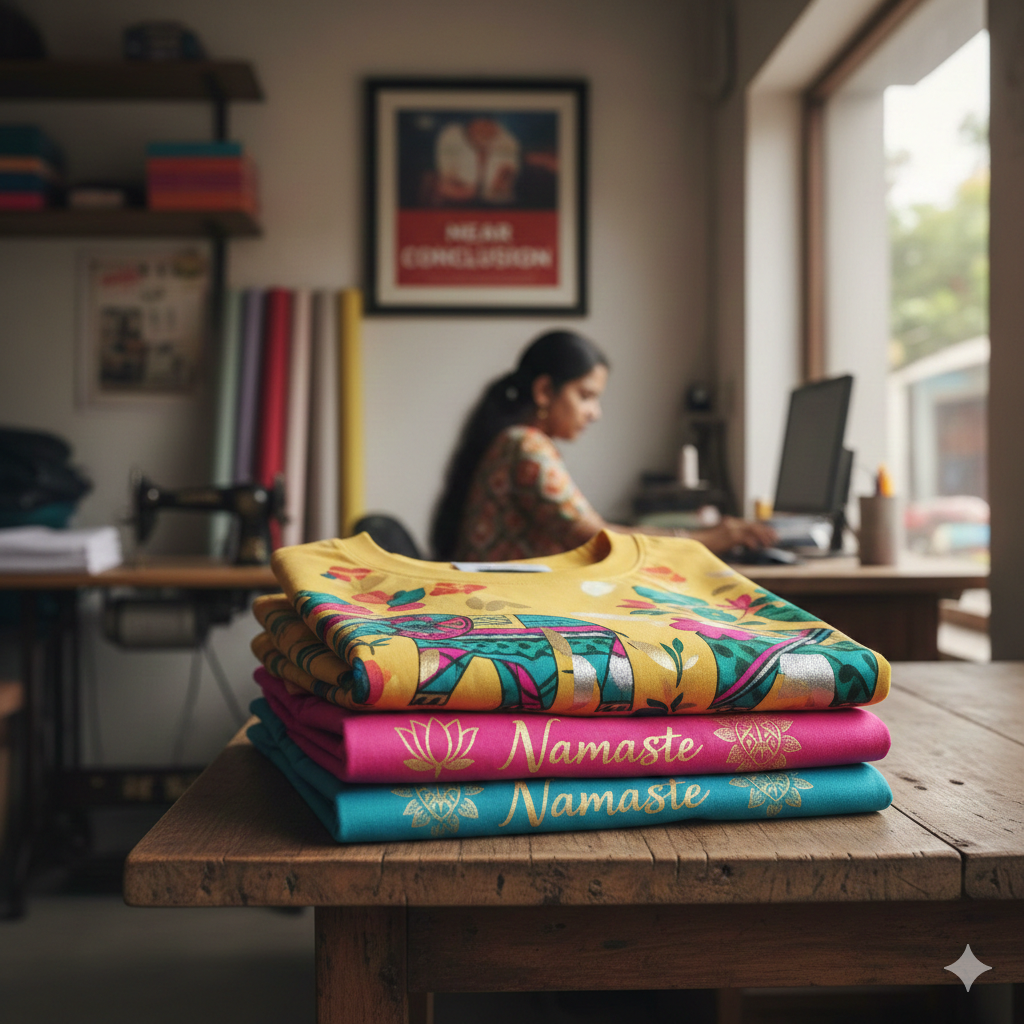
Case Studies or Examples
Local Print Shop Example
A Pune-based shop priced DTF Printed t-shirts at ₹349. Orders were high but profits were low.
After increasing price to ₹399 and improving print quality, profits increased by 28% even with slightly fewer orders.
Online Instagram Brand
A small brand sold custom anime DTF Printed tees at ₹799 using premium blanks. Low volume, high margin, zero discounts.
Both models work if pricing matches strategy.
Conclusion and Actionable Tips
Pricing DTF Printed t-shirts is a balance of cost, value, and market demand.
Quick tips
- Know your exact cost
- Never race to the lowest price
- Price for sustainability
- Test and adjust regularly
- Quality gives pricing power
Use reliable supplies, keep records, and think long term. A well-priced DTF Printed t-shirt business grows steadily without stress.
Product Suggestions (Used Naturally Above)
- DTF PET Film Roll
- DTF Printing Ink Set
- Hot Melt DTF Powder
- Professional Heat Press Machine
- DTF Printer Maintenance Solution
External References + Credits
Credit: Information references from Fespa, PrintIndustry, and other public sources.



LEAVE A COMMENT