
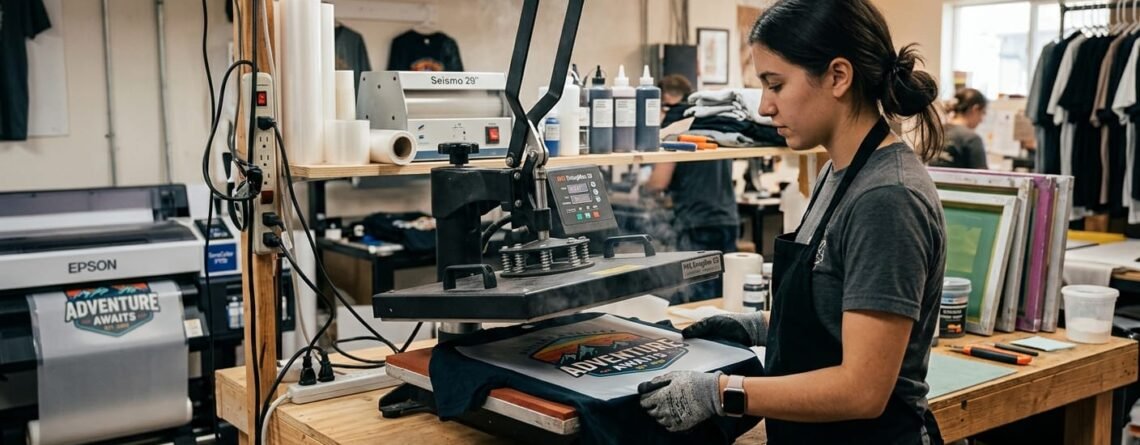
How to Best Cure DTF Powder Correctly for Long-Lasting Prints 2026
DTF printing is growing fast. Many small businesses and print shops are using it daily. But one step decides everything — DTF powder curing.
If curing is not done properly, prints will crack, peel, or wash out. I’ve seen beginners struggle with this step the most. The design may look perfect before curing, but poor technique ruins the final result.
Chat with our team for printers, consumables, film, powder and business setup guidance.
DTF powder curing is simply heating the adhesive powder so it melts and bonds with the ink. Sounds easy, but temperature, timing, and method matter a lot.
In this guide, I’ll explain everything in simple terms so you can avoid common mistakes and get professional-quality prints every time.
Why Proper Curing Ensures Long-Lasting Prints
Good curing means strong prints.
When you do DTF powder curing correctly:
- The design sticks firmly to fabric
- Wash resistance improves
- Colors stay vibrant
- Cracking and peeling reduce
Think of curing like baking. If undercooked, it’s weak. If overcooked, it burns.
Same with DTF.
Improper DTF powder curing leads to:
- Powder not melting fully
- Rough texture
- Ink lifting after wash
That’s why this step is critical, not optional.
Essential Equipment and Materials
Before starting DTF powder curing, you need the right tools.
Here are the basics:
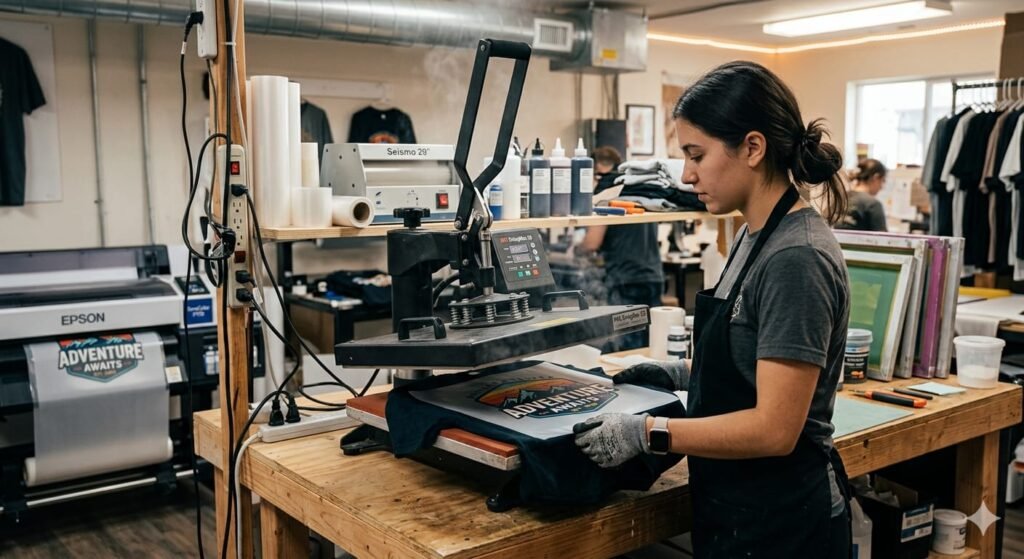
- Heat press machine
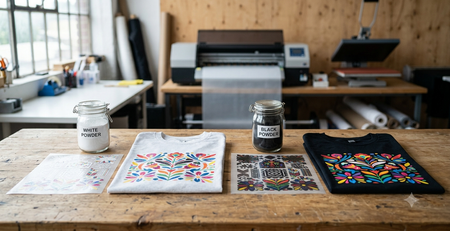
- DTF powder
- PET film
- DTF inks
- Curing oven (optional but useful)
Some reliable setups people use:
🔵 ProlificGeeks DTF Printer L1800
🔵 XP600 Printhead System
🔵 i3200 Professional DTF Setup
These machines help maintain consistent results, especially when doing bulk production.
A good heat press is equally important. Uneven heat = uneven curing.
Preparation Steps Before Curing
Preparation is where many people go wrong.
Before DTF powder curing, follow these steps:
- Print your design on PET film
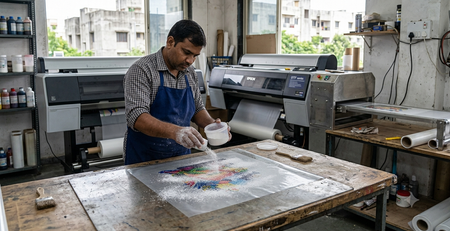
- Apply DTF powder evenly
- Shake off excess powder
- Check coverage
Tip: Powder should cover only printed areas.
If powder spreads on blank areas, it can cause marks on fabric later.
Also, avoid moisture. Humidity affects how powder sticks.
Curing Method 1: Heat Press Technique
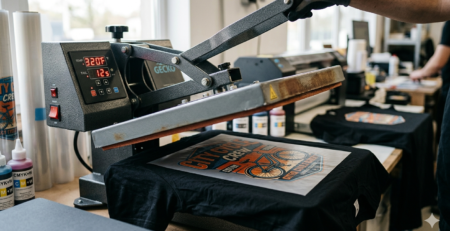
This is the most common method for DTF powder curing.
Steps:
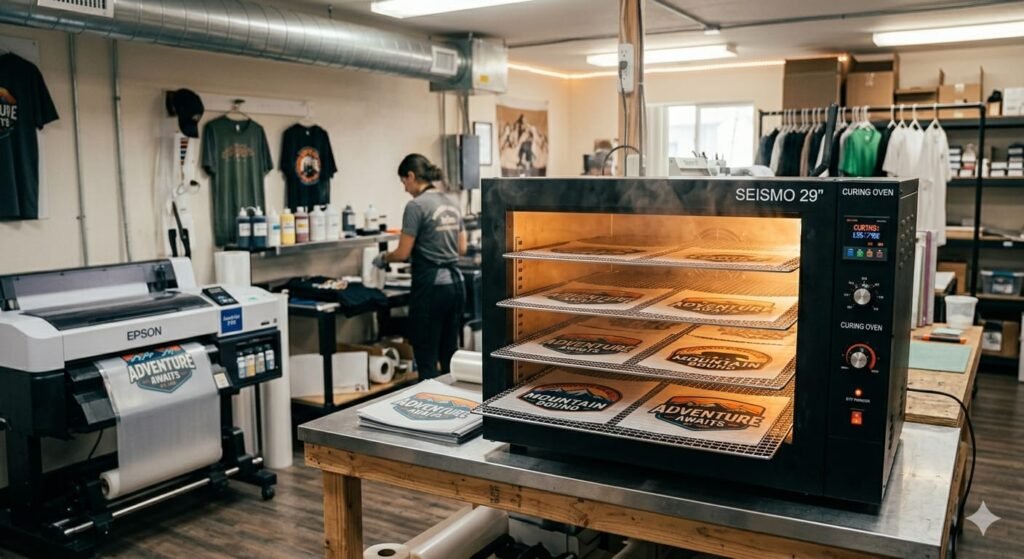
- Set temperature: 160–170°C
- Preheat heat press
- Place film under heat (do NOT press directly)
- Hover or use parchment sheet
- Cure for 2–4 minutes
Important: Do not press hard at this stage.
You are only melting powder, not transferring yet.
Real Tip:
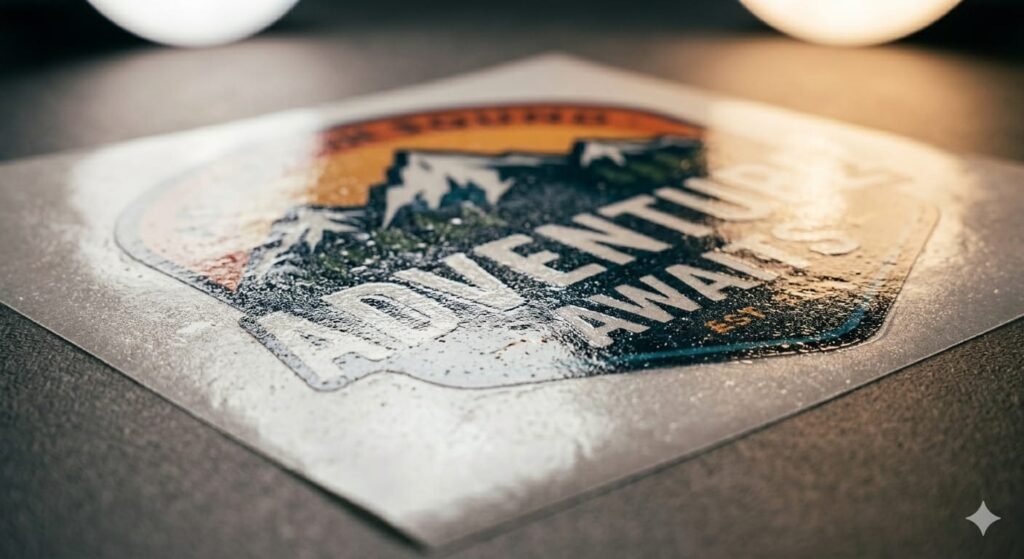
If you see powder turning glossy, curing is done.
If it still looks grainy → not cured properly.
Many beginners rush this step. Don’t.
Curing Method 2: Oven Curing Process
Oven curing is great for consistency.
Especially if you’re doing bulk work.
Steps:
- Set oven to 110–130°C
- Place films inside evenly
- Cure for 5–8 minutes
Advantages:
- Even heat distribution
- Less manual effort
- Better for multiple prints
For shops using setups like:
Oven curing saves time and improves consistency.
Curing Method 3: Shaker Oven or Conveyor
This is used in professional setups.
Machines automatically:
- Apply powder
- Shake excess
- Cure film
It’s fast and accurate.
Shaker systems work best with high-end printers like:
🔵 ProlificGeeks DTF Printer L1800
If you’re scaling your business, this is worth considering.
Visual Inspection and Quality Checks
After DTF powder curing, always inspect.
Check these:
- Powder fully melted (smooth surface)
- No grainy texture
- No burnt areas
- Film not warped
Simple test:
Touch lightly. It should feel rubbery, not powdery.
Bad curing signs:
- White patches
- Rough feel
- Cracks when bent
Always test before pressing on fabric.
Common Mistakes and Troubleshooting
Let’s be honest — mistakes happen.
Here are common issues in DTF powder curing:
1. Under-curing
Problem: Powder not melted
Fix: Increase time or temperature slightly
2. Over-curing
Problem: Burnt adhesive
Fix: Reduce heat or duration
3. Uneven curing
Problem: Patchy bonding
Fix: Check heat press pressure or oven airflow
4. Powder overflow
Problem: Marks on fabric
Fix: Shake excess powder properly
5. Moisture issues
Problem: Powder clumping
Fix: Store powder in dry place
Even experienced printers adjust settings based on weather.
Pro Tips for Optimal Results
Here are some practical tips I’ve learned over time:
- Always preheat your machine
- Keep temperature consistent
- Work in low humidity
- Use quality powder
- Test small batches first
If you’re using advanced setups like:
fine-tuning curing settings becomes easier.
Also, don’t mix different powders. Each has its own melting point.
Storage and Handling Post-Curing
After DTF powder curing, handling matters.
Store cured films:
- In dry environment
- Away from dust
- Flat (not folded)
Use them within a few days for best results.
If stored too long:
- Adhesion may weaken
- Transfer quality drops
Always label your prints with date.
Conclusion
Getting DTF powder curing right is not difficult, but it needs attention.
Once you understand temperature, timing, and technique, your print quality improves instantly.
Start simple:
- Use heat press
- Learn settings
- Then upgrade to oven or shaker
Consistency is key.
Practice a few times, and you’ll notice the difference in durability and finish.
Product Suggestions
Here are some commonly used setups:
🔵 ProlificGeeks DTF Printer L1800
🔵 XP600 Printhead System
🔵 i3200 DTF Printer Setup
🔵 DTF Curing Oven Machine
🔵 Industrial Heat Press Machine
Use them based on your production level.
External References
For deeper understanding, you can explore:
- PrintIndustry.com
- Fespa.com
- InkJetInsights.com
- ResearchGate (for adhesive bonding studies)
Credit: Information references from Fespa, PrintIndustry, and other public sources.

LEAVE A COMMENT