
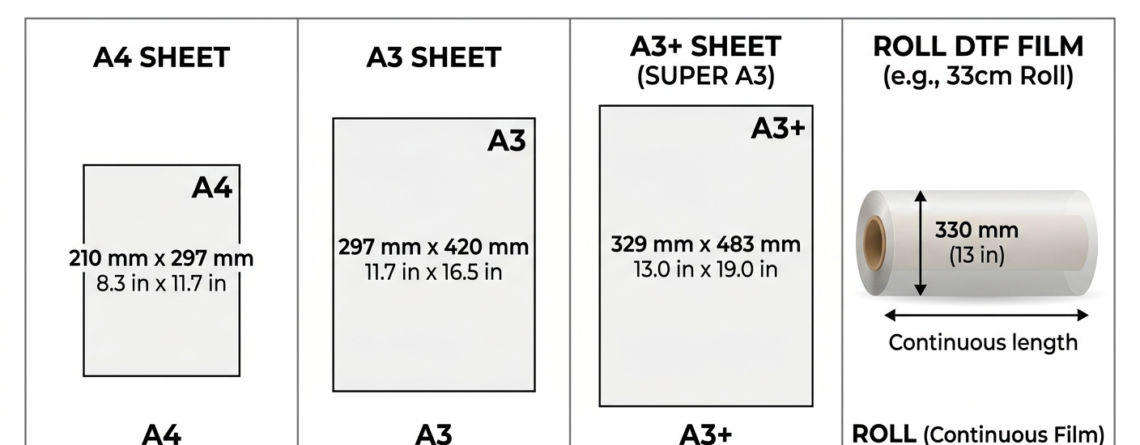
Best 10 DTF Transfer Sheet Sizes: Which Is Right for Your Products
If you are working in custom printing, understanding DTF Transfer Sheet Sizes is one of the most important things. Many beginners ignore sizing and directly start printing. Later, they face issues like wasted film, bad placement, or oversized prints.
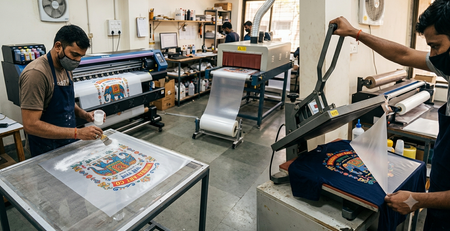
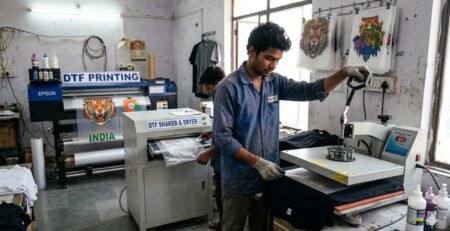
DTF (Direct to Film) printing works differently from traditional printing. You print your design on a special film sheet and then transfer it to fabric using heat. Because of this process, choosing the right DTF Transfer Sheet Sizes directly affects cost, quality, and productivity.
Chat with our team for printers, consumables, film, powder and business setup guidance.
Let’s break it down in a simple way so you can choose the best size for your products.
Common DTF Sheet Sizes
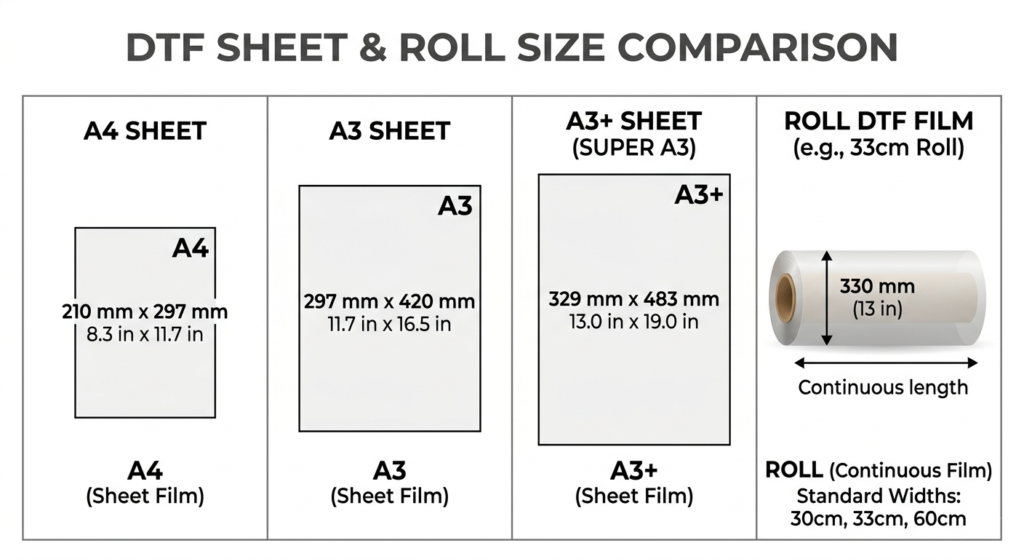
Before selecting anything, you should know the common DTF Transfer Sheet Sizes available in the market.
Here are the most used ones:
- A4 (8.3″ × 11.7″)
- A3 (11.7″ × 16.5″)
- A3+ (13″ × 19″)
- 12″ × 18″
- 13″ × 19″
- Roll sizes (like 24″, 30″, 60 cm width)
Small businesses usually start with A4 or A3 sheets. Large production units prefer roll-based printing because it saves time and material.
For example, if you are using 🔵 ProlificGeeks DTF Printer L1800, A3 or A3+ sheets work well for most beginner setups.
Factors to Consider for Selection
Choosing the right DTF Transfer Sheet Sizes is not random. You need to think practically.
Here are the key factors:
1. Product Type
Are you printing on t-shirts, hoodies, caps, or bags? Each product needs a different print size.
2. Design Size
A small logo doesn’t need a large sheet. Big artwork needs more space.
3. Production Volume
Bulk printing? Go for larger sheets or gang sheets.
4. Printer Compatibility
Not all printers support all sizes. For example, 🔵 XP600 print heads are often used in medium-scale printers that support roll printing.
5. Cost Efficiency
Using large sheets for small designs wastes film. Smart sizing saves money.
Sizes for Apparel (T-Shirts, Hoodies, etc.)
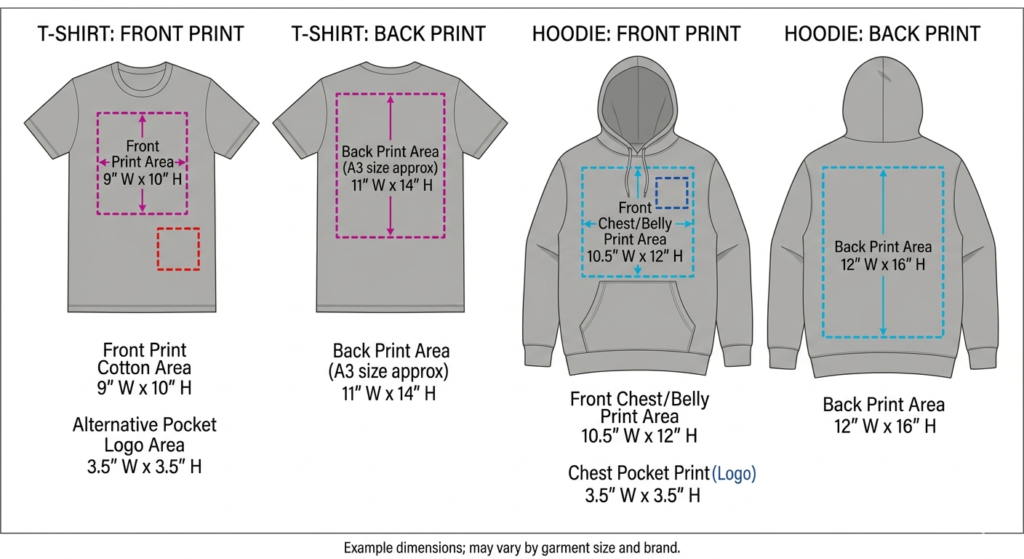
When it comes to clothing, choosing correct DTF Transfer Sheet Sizes is crucial.
T-Shirts
- Left chest logo: 3″–4″
- Full front design: 10″–12″
- Back print: 12″–14″
For these, A3 or 12″ × 18″ sheets work best.
Hoodies
Hoodies need slightly bigger prints:
- Front design: 10″–12″
- Back design: 12″–16″
Here, A3+ or 13″ × 19″ sheets are more practical.
If you are running a growing business, printers with 🔵 i3200 heads can handle larger prints smoothly and faster.
Sizes for Accessories (Hats, Bags, etc.)
Accessories need smaller prints, so using large DTF Transfer Sheet Sizes is not efficient.
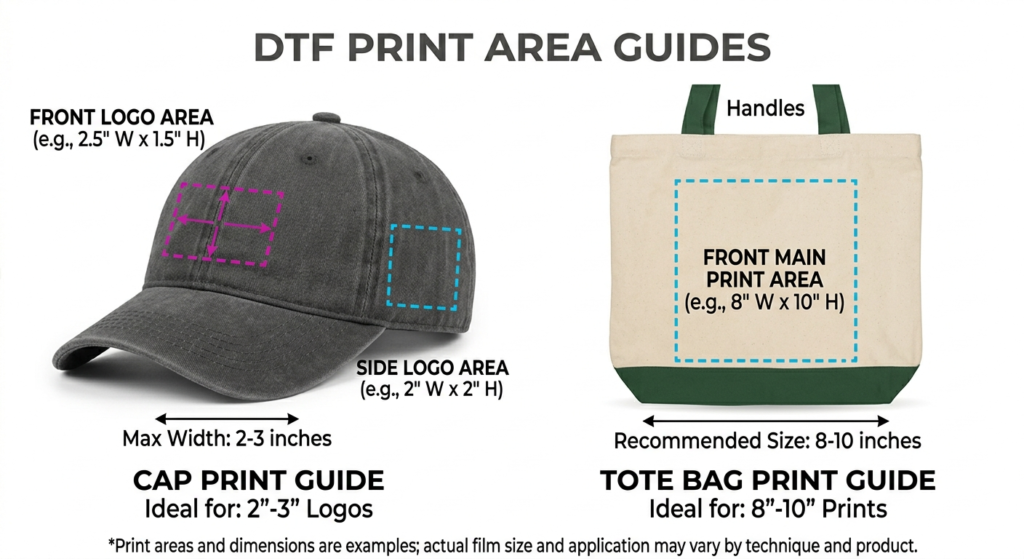
Caps / Hats
- Logo size: 2″–3″
Tote Bags
- Design size: 8″–10″
Sleeves / Pockets
- Small prints: 2″–5″
For these, A4 sheets are enough. Using larger sheets will just waste material.
Gang Sheets and Bulk Printing
This is where things get interesting.
A gang sheet means placing multiple designs on one sheet. This is the smartest way to use DTF Transfer Sheet Sizes efficiently.
Benefits:
- Less film waste
- Lower cost per print
- Faster production
For example, instead of printing 5 separate A4 sheets, you can fit all designs on one A3 sheet.
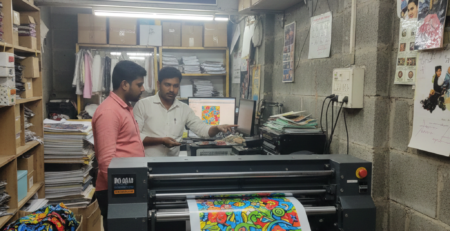
Bulk printers often use roll-based systems with 🔵 XP600 or 🔵 i3200 setups to create long gang sheets.
Size Chart Comparison
Here’s a quick comparison to help you:
| Sheet Size | Best For | Advantage |
|---|---|---|
| A4 | Caps, logos | Low cost |
| A3 | T-shirts | Balanced usage |
| A3+ | Hoodies | Larger prints |
| 13×19 | Bulk apparel | More space |
| Roll | Mass production | Maximum efficiency |
Choosing the right DTF Transfer Sheet Sizes depends on your daily workload.
Placement Guidelines
Even if you pick correct DTF Transfer Sheet Sizes, wrong placement can ruin your print.
Basic rules:
- Chest prints: 2–3 inches below collar
- Back prints: centered and slightly higher
- Sleeve prints: aligned with shoulder seam
Always measure before pressing. Don’t guess.
Tips to Avoid Sizing Mistakes
Many beginners lose money due to poor decisions. Here are some practical tips:
1. Always Test First
Print a sample before bulk production.
2. Use Mockups
Visualize design placement on products.
3. Avoid Oversized Prints
Bigger is not always better.
4. Plan Gang Sheets
Use software to arrange designs efficiently.
5. Match Printer to Needs
If you plan scaling, invest in better hardware like 🔵 ProlificGeeks DTF Printer L1800 for starting or upgrade later.
Conclusion: Choosing the Right Size
Choosing the correct DTF Transfer Sheet Sizes is not complicated if you understand your products.
Start small. Test different sizes. Track your waste. Improve step by step.
If you mainly print t-shirts, A3 is your best friend. If you print accessories, go for A4. If you handle bulk orders, switch to gang sheets or roll printing.
The right size will save you money, improve quality, and speed up your work.
Product Suggestions (DTFshop.in)
🔵 ProlificGeeks DTF Printer L1800
🔵 XP600 Printhead Systems
🔵 i3200 Advanced Printhead
🔵 DTF Transfer Films (A3 & A4 Sheets)
🔵 DTF Powder Adhesive
External References + Credits
- PrintIndustry.com
- Fespa.com
- InkJetInsights.com
- ResearchGate
Credit: Information references from Fespa, PrintIndustry, and other public sources.

LEAVE A COMMENT