
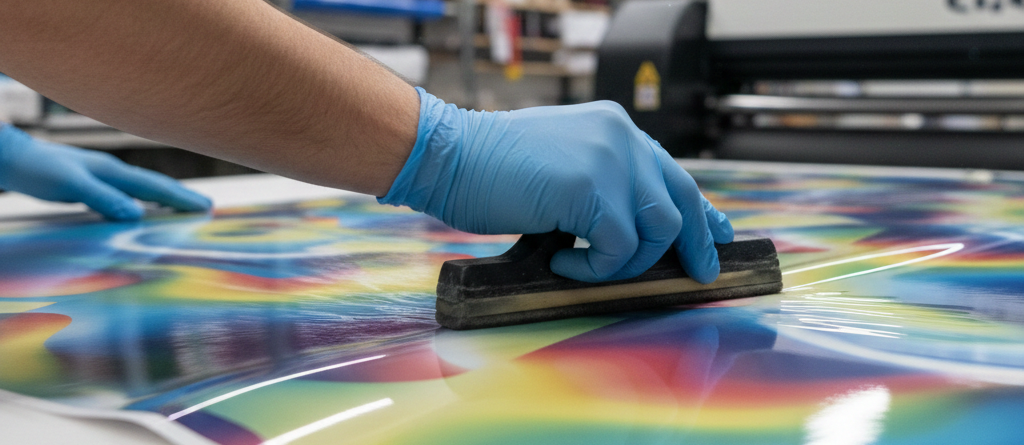
Vinyl Printing – Expert Answers to the Top Questions (Complete Guide)
Table of Contents
Introduction
More businesses are switching to vinyl printing for signs, banners, wall graphics, and custom T-shirts. This printing method is known for bold colors, high durability, and outdoor strength. Still, beginners often have many doubts before starting a vinyl job.
In this guide, we answer the top 5 questions professionals and first-time users ask about vinyl printing. Each section is written from real experience to help you avoid mistakes and get long-lasting results.
Chat with our team for printers, consumables, film, powder and business setup guidance.
Question 1: What is Vinyl Printing?
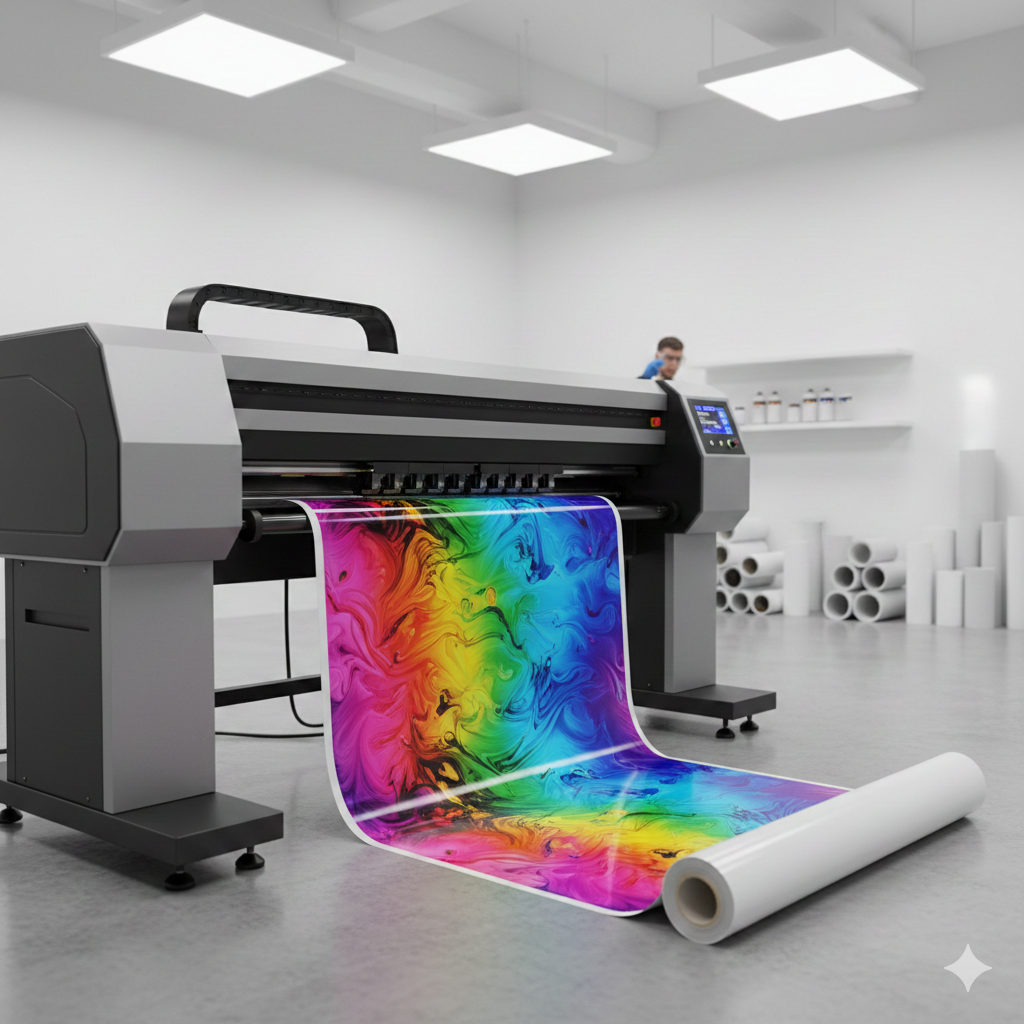
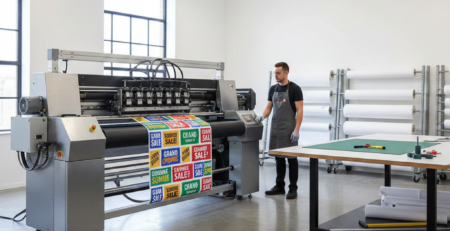
Vinyl printing is a process where graphics are printed onto vinyl sheets or rolls using specialized printers and inks. The printed vinyl is then applied to surfaces like:
- Shop boards
- Vehicle wraps
- Promotional banners
- Indoor wall graphics
- Outdoor hoardings
Unlike regular paper printing, vinyl is flexible and weather-resistant. It sticks to surfaces using adhesive backing or heat transfer depending on the application.
A shop that prints café menus may choose paper, but a shop that prints outdoor banners will always prefer vinyl printing because of its strength and long color life.
If you’re planning to print vinyl through DTF eco-solvent inks, check out [ DTFshop.in Eco Solvent Ink ] a good fit for small roll-to-roll printers.
Question 2: What Are the Types of Vinyl Media?
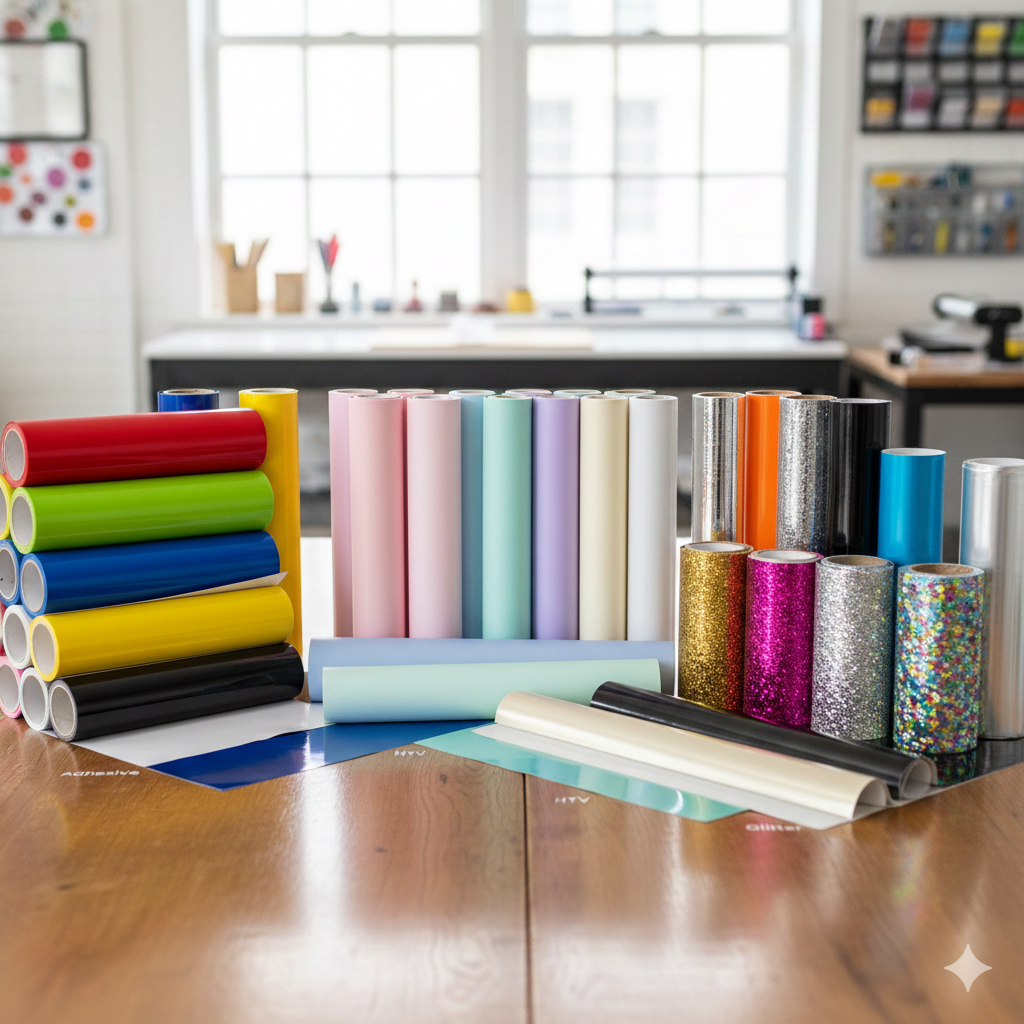
There are several types of vinyl sheets, and choosing the right one decides durability:
| Type | Where It’s Used |
|---|---|
| Adhesive Vinyl | Banners, walls, windows, vehicles |
| Heat Transfer Vinyl (HTV) | Apparel printing, school uniforms, custom tees |
| Printable Vinyl | For solvent, eco-solvent, UV machines |
| Reflective Vinyl | Road safety signs and night-visible graphics |
| Transparent Vinyl | Glass doors, brand stickers |
| Metallic / Glitter Vinyl | Celebration and premium design work |
For garment work, many print shops pair HTV with [ DTFshop.in PU Heat Transfer Vinyl ] because it cuts sharply and applies smoothly on cotton and poly fabrics.
For signage work, printable adhesive vinyl combined with [ DTFshop.in White Glossy Vinyl Roll ] produces crisp results.
Question 3: Which Ink Technologies Are Used?
Choosing the right ink is one of the most important parts of vinyl printing. The three major ink categories are:
Aqueous Ink
- Water based
- Best for indoor prints
- Lower cost, lower outdoor durability
Eco-Solvent Ink
- Most popular for adhesive vinyl
- Excellent outdoor life
- Strong scratch resistance
UV Ink
- Cures instantly under UV light
- High durability + no lamination needed sometimes
- Used for floor graphics, industrial labels, and textured prints
For eco-solvent work, many printing studios prefer [ DTFshop.in Eco Solvent Cleaning Solution ] (in blue) to keep print heads clean and reduce banding.
Sites like PrintIndustry.com, Fespa.com, and InkJetInsights.com provide deeper technical details on ink chemistry and print head compatibility.
Question 4: How Does Lamination Work?
Vinyl lamination is a film coating applied to protect printed graphics. It doesn’t make the colors brighter — it protects them from:
- UV sunlight
- Rain and moisture
- Scratches
- Chemical cleaning
Without lamination, outdoor vinyl can fade in a few months. With lamination, it can last 3–7 years depending on quality.
There are two types:
| Lamination Type | Surface Finish |
|---|---|
| Gloss | Shiny and bright |
| Matte | Premium anti-glare look |
A good cold lamination sheet combined with gentle pressure gives professional results. A simple rule:
Indoor prints can skip lamination; outdoor prints should always be laminated.
Question 5: What Are Best Practices and Tips?
Practical lessons from real print shops:
✔ Clean surfaces with alcohol before applying adhesive vinyl
✔ Heat-gun helps remove bubbles from vehicle wraps
✔ Always leave a bleed margin while designing
✔ Store vinyl rolls vertically to avoid bending
✔ Avoid touching the glue area with bare hands
A lot of beginners print perfectly but fail at application. Taking 10 minutes to clean the surface can extend print life by months.
For sharper HTV results on garments, a heat press and quality vinyl matter. Many workshops use [ DTFshop.in Matte HTV Sheets ] for school uniforms and sports jerseys.
Common Challenges in Vinyl Printing
Even professional print shops face issues like:
| Problem | Cause | Fix |
|---|---|---|
| Edge lifting | Dust under adhesive | Deep clean before installation |
| Print cracking on fabric | Low heat / low pressure | Increase press time and pressure |
| Color banding | Dirty print heads | Use cleaning solution before long jobs |
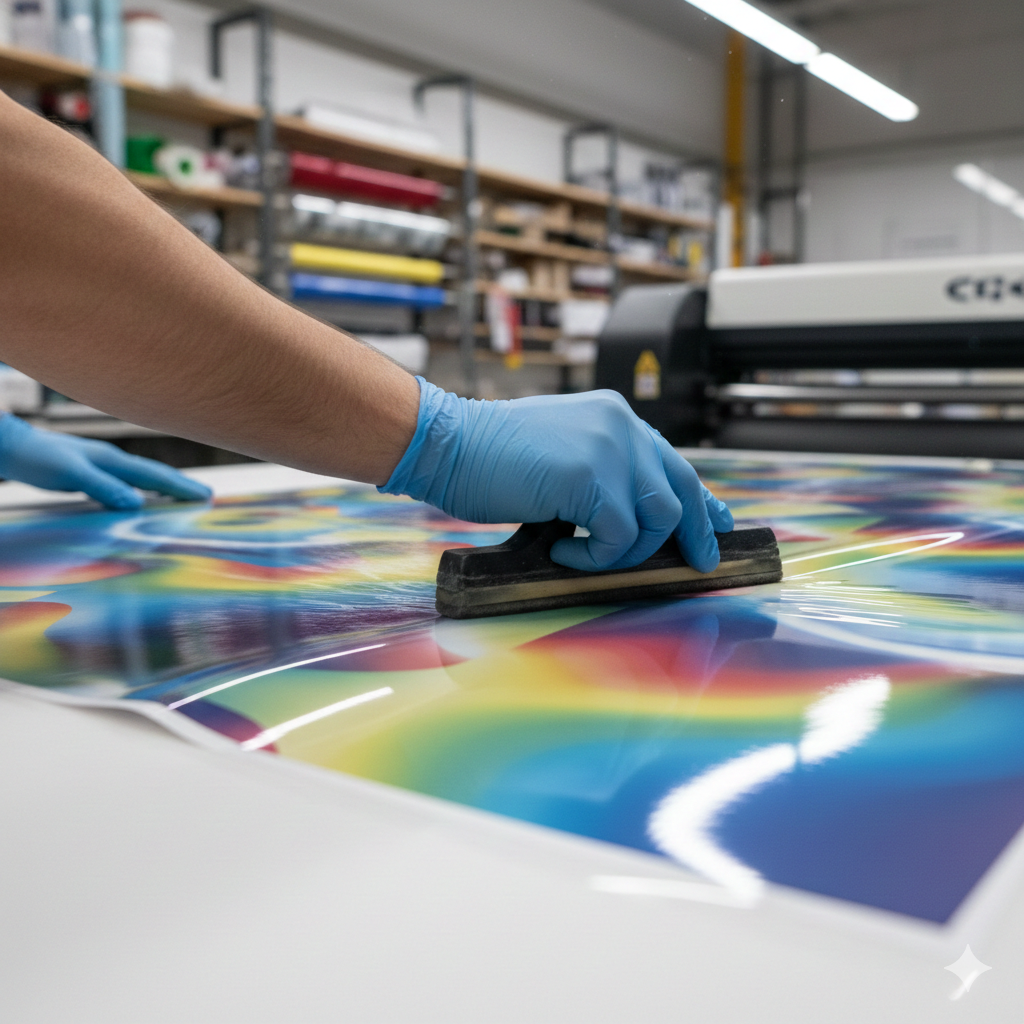
| Bubbles during application | Fast manual installation | Use squeegee & slow installation |
In short, most challenges come from preparation, not printing itself.
Vinyl Printing vs. Other Printing Methods
| Method | Strength | Limitation |
|---|---|---|
| Vinyl Printing | Outdoor durability, strong colors | Application skill needed |
| Screen Printing | Strong for bulk clothing | Not ideal for complex photo prints |
| Digital DTG | Great for apparel, soft feel | Not for outdoor media |
| Paper Inkjet | Affordable | Not weather safe |
If you want indoor posters for shops, inkjet paper is enough. But for outdoor shop branding or vehicle signs, vinyl printing is the most reliable choice.
Conclusion and Call to Action
Vinyl printing continues to grow because of durability, flexibility, and bold visual results. Once you understand vinyl types, inks, lamination, and basic handling tips, most printing challenges become easy to manage.
If you want to deepen your skills, feel free to ask questions or explore vinyl-related supplies on DTFshop.in. You’ll find friendly options for both beginners and professionals.
Product Suggestions (Mentioned Above)
🔹Eco Solvent Ink
🔹PU Heat Transfer Vinyl
🔹White Glossy Vinyl Roll
🔹Eco Solvent Cleaning Solution
🔹Matte HTV Sheet
External References + Credits
Information references from:
- PrintIndustry – https://www.printindustry.com
- 👉 Fespa – https://www.fespa.com
- 👉 InkJet Insights – https://www.inkjetinsights.com
Credit: Information references from Fespa, PrintIndustry, and other public sources.

LEAVE A COMMENT