
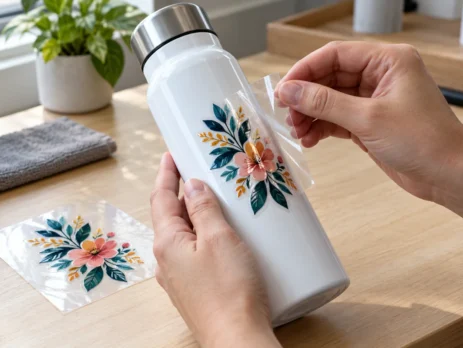
UVDTF Printing for T-Shirt Shops: 5 Checks Before Adding Hard Goods
A T-shirt shop may want to add personalised bottles, acrylic gifts or corporate merchandise. UVDTF printing can be worth evaluating for suitable hard objects, but it is a separate workflow from the garment DTF used on washable clothing. It should not be bought as a blanket replacement for textile transfers.
Before expanding, work through these five checks. They help you choose the right process for the order instead of buying equipment because two technologies share the letters “DTF”.
Chat with our team for printers, consumables, film, powder and business setup guidance.
1. Separate the garment order from the hard-goods order
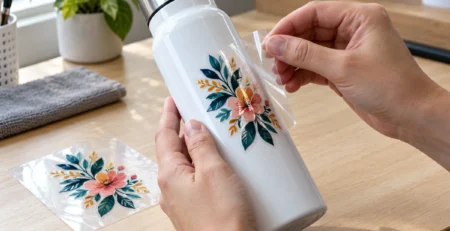
For a cotton T-shirt or hoodie, compare garment DTF with an appropriate DTG process. For a suitable rigid bottle or acrylic item, evaluate UV DTF. Standard hard-surface UV transfers do not become washable textile transfers merely because their finish feels flexible.
If a customer wants a matching T-shirt and bottle set, plan two compatible decoration processes and cost them separately. Approve a sample of each finished item before promising the set.

2. Test the actual surface
A coated bottle, bare metal and a silicone-coated item can behave differently. Curvature, texture, surface contamination and the coating all affect the transfer. Test the blank you intend to supply, not a different display sample.
Agree the cleaning and care instructions with the supplier. Scratch resistance does not automatically establish dishwasher suitability, outdoor life or food-contact approval. Keep decoration away from food-contact areas unless the exact application has appropriate evidence.
3. Budget a complete UV DTF workflow
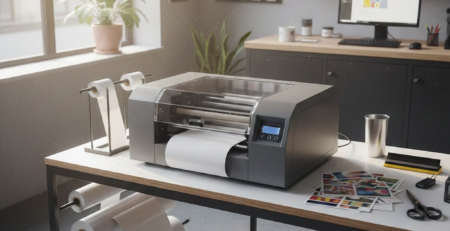
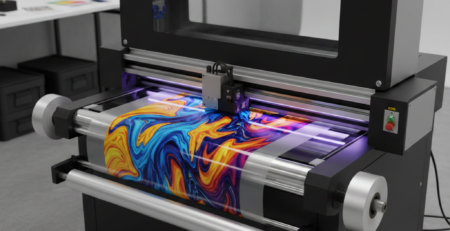
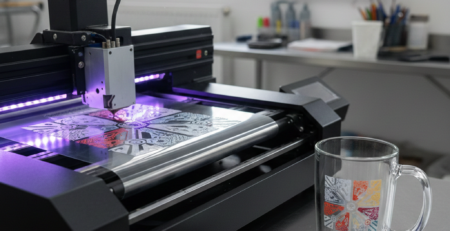
A UV DTF setup needs a suitable printer, compatible ink, matched transfer films and the specified lamination/application process. It also needs trained operation, maintenance, appropriate working conditions and the safety measures required by the equipment and consumables.
For example, compare the Audley A3 UV DTF printer with your intended artwork dimensions and weekly workload. Check what the quotation includes. Do not assume a separately advertised laminator, software licence or installation service is included.

4. Keep the consumable systems separate
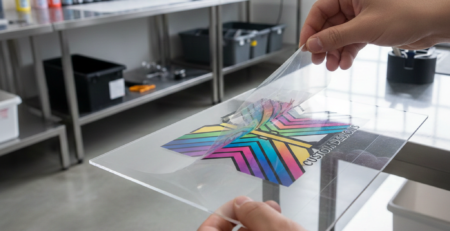
Use the machine’s specified UV DTF CMYKWV ink and matching 12-inch UV DTF A+B film where that width is supported. Textile DTF ink, textile PET film and hot-melt powder are different materials and should not be substituted into this UV workflow.
A cleaning fluid must also match the ink chemistry and approved maintenance procedure. Review the UV DTF cleaner compatibility information before using it; a product being called a cleaner does not make it safe for every printhead.
5. Price accepted output rather than promised speed
Time a complete sample batch: artwork preparation, printing, lamination, cutting, application and inspection. Record rejects and handling time. Compare the cost per accepted item with the selling price and the demand you can realistically serve.
A glossy sample does not establish a profit margin, and another shop’s reported growth does not establish your own payback period. Begin with a small approved product range and expand when repeat orders justify it.
A practical next step for a garment print shop
Choose one real customer application, obtain a sample on the exact blank and confirm the process and care requirements. Keep your established textile workflow for the garments. For a fuller explanation, read how UV DTF and garment DTF differ.


Leave a Reply