
DTF Print Export – 10 Powerful Ways to Grow Your Printing Business Internationally
How to Export Prints from DTF Printing Business
What is DTF Print Export and Why It Matters?
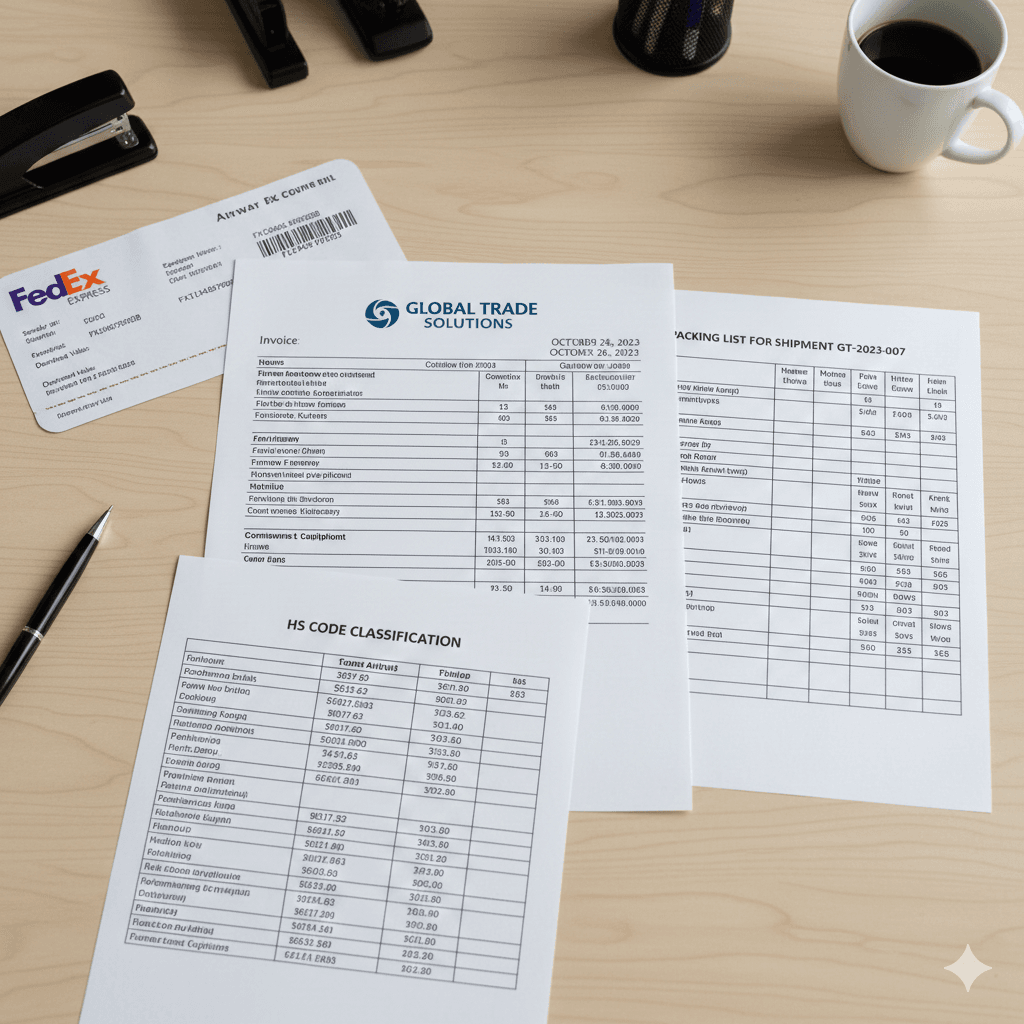
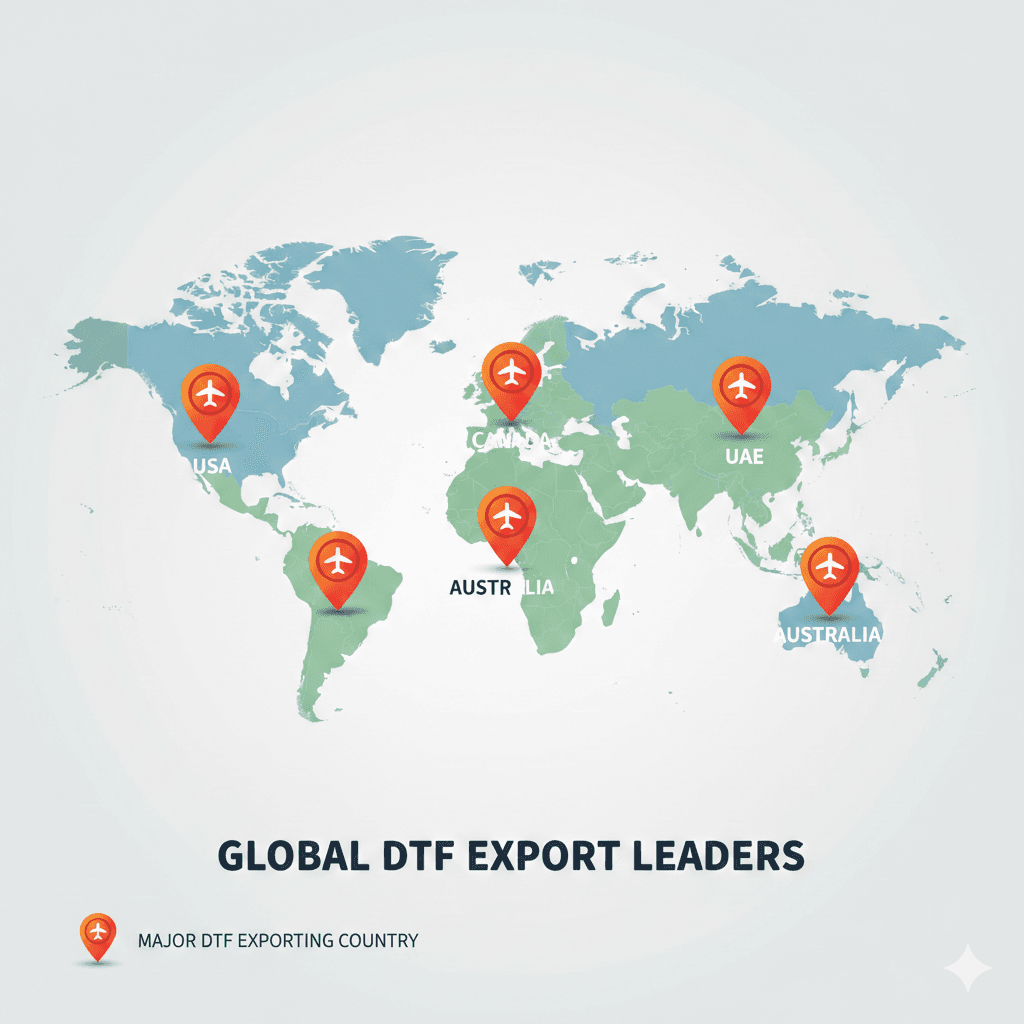
A DTF Print Export simply means selling ready-made DTF transfers to foreign countries instead of only selling locally. Many business owners start with small local orders, but international shipping increases profit margins and gives larger repeat orders. When demand from countries like the USA, UK, Australia, Canada, UAE, and Europe increases, exporting becomes an opportunity to grow faster.
Chat with our team for printers, consumables, film, powder and business setup guidance.
Exporting prints is not complicated if you understand documentation, labeling, HS code usage, packaging, and courier selection. When you do it correctly, your brand becomes global and customers value your designs more.
How DTF Print Export Works (Explained Simply)
The export process follows a predictable workflow:
- Receive the artwork from a customer
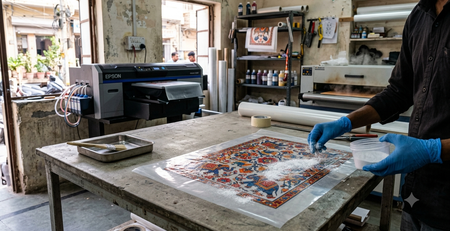
- Print transfers on PET film
- Apply curing powder and bake properly
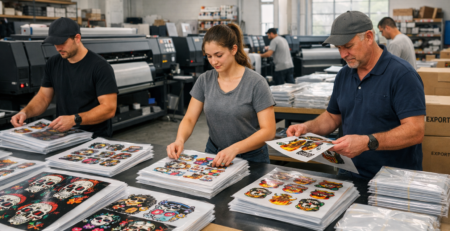
- Inspect prints & pack rolls / sheets
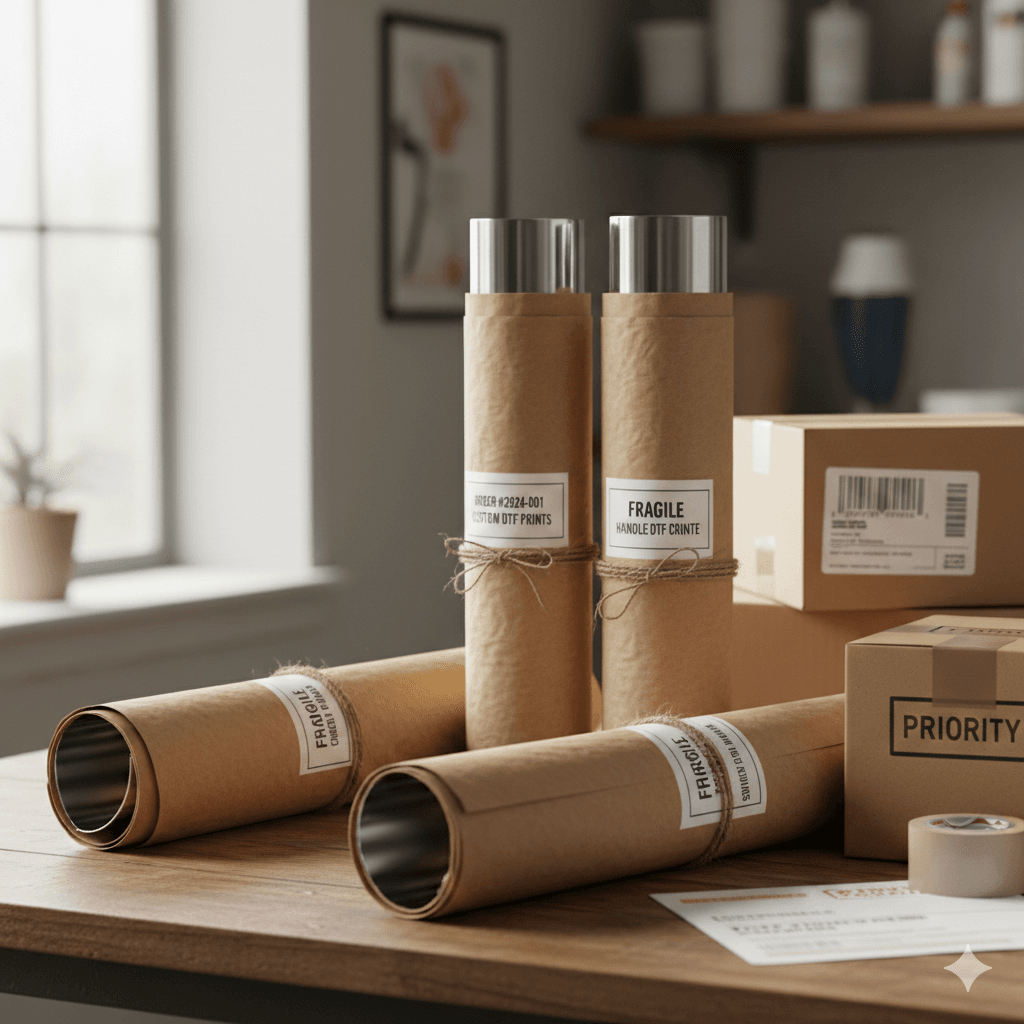
- Attach mandatory export documents
- Ship using express logistics (DHL, FedEx, UPS, Aramex, etc.)
- Share tracking with buyer
Even a small home-based printing setup can start exporting. Hundreds of Indian print shops export transfers daily without owning a factory.
Benefits of Using DTF Print Export
Exporting prints gives long-term stability to your business:
✔ Bigger order quantities
✔ High repeat demand
✔ Higher profit margin per square foot
✔ Customers from multiple countries reduce risk
✔ Opens doors for apparel & custom-merch partnerships
✔ Builds global brand recognition
A store printing 10,000 sq.ft/month locally can easily push 20,000–30,000 sq.ft/month with export clients.
DTF Print Export Advantages
Below are the practical advantages of focusing on DTF Print Export:
- Low shipping weight
- Small packaging cost
- Does not require export license initially for sample/value shipments
- No product damage risk (unlike garments)
- No import duty for buyers in most countries under sheet/roll category
- Easy to scale without adding new machines frequently
Orders from Canada, USA, and Europe often pay premium rates for high-quality prints and fast turnaround.
Related Machines You Can Use
Reliable equipment improves repeat orders and reduces complaints. Many print shops use:
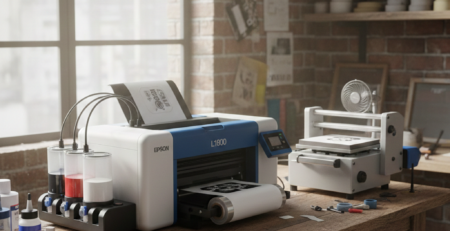
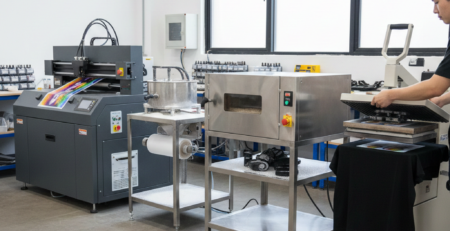
🔵 ProlificGeeks DTF Printer L1800 – best for beginners handling medium export volumes
🔵 Audley 48 Inch Sublimation Printer – helpful if combining sublimation + DTF exports
🔵 ProlificGeeks Curing Oven & Shaker – reduces film peeling complaints during shipment
These machines help maintain export-grade quality without heavy maintenance.
Step-by-Step Guide for DTF Print Export
Follow this straightforward method:
Step 1 – Prepare Artwork with Proper Color Profile
• Use RGB or CMYK depending on customer file
• Use ICC color profile for accurate tones
Step 2 – Print on Good Quality PET Film
Always choose 75–100 micron film to avoid cracks during long shipping.
Step 3 – Powder & Cure Correctly
• Even application of curing powder
• Correct curing temperature
This ensures the print does not flake on arrival.
Step 4 – Quality Inspection
Check:
• No smudge • No incomplete curing • No film scratches
Step 5 – Packaging for Export
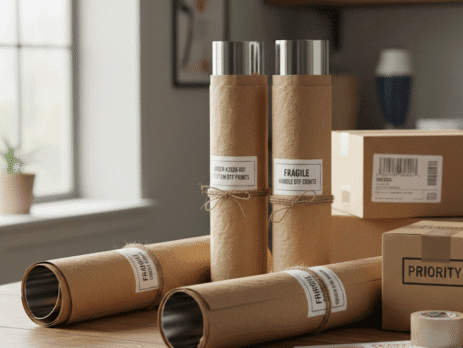
Roll prints inside butter paper or kraft paper.
Avoid folding to reduce cracks.
Step 6 – Shipping & Documentation
Required documents:
- Commercial invoice
- Buyer name + full address + phone number
- HS Code for DTF film
- Declaration: “Printed PET Films for Heat Transfer Usage — Not Garments”
Courier options:
DHL, FedEx, UPS, DTDC International, Aramex.
Step 7 – Tracking & Follow-Up
Send tracking and follow up with after-sale feedback.
Repeat orders come faster when communication is clear.
Common Mistakes to Avoid
| Mistake | Why it is a problem |
|---|---|
| Folding prints instead of rolling | causes cracks |
| Incorrect powder curing | peeling complaints |
| Missing HS code | shipment delay at customs |
| Shipping without poly bag | moisture damage risk |
| Over-promising delivery time | customer disputes |
A small mistake can turn into negative reviews, so consistency is extremely important.
External Expert References
If you want to study international printing trends and improve technical quality, here are trusted resources:
🔗 https://www.fespa.com — global events & market research for garment printing
🔗 https://www.printindustry.com — pricing & material cost guidance for printing businesses
🔗 https://www.inkjetinsights.com — ink science and technical print research
These are reliable industry resources — not promotional sites. They help exporters understand global buyer expectations, pricing, and print durability.
How to Scale Beyond Basic DTF Print Export
Once you start receiving regular international orders, scaling becomes the next big step. Most printing entrepreneurs handle 2–5 kg shipments initially, then slowly move toward 15–20 kg per month. A smart way to scale is to create niche-based export bundles such as:
• Gang sheets for small merchandise brands
• Seasonal festival theme sheets
• Sports team print bundles
• Custom streetwear graphic packs
These bundles attract repeat customers, especially in markets like North America and Europe.
Another strong business opportunity is offering design + print export packages. Many resellers abroad do not have professional designers. If you can combine both, you instantly become more valuable than competitors who only send prints.
Customer retention is also very important in DTF Print Export. A simple thank-you postcard, one free sample, or preview of a new print design can bring additional orders without advertising. Consistency in curing, powder quality, packing, and delivery ensures foreign buyers stay with you long-term.
When volume increases beyond 20–30 kg per month, consider using premium films and inks, and maintain backup components for printers to avoid downtime. This keeps delivery schedules stable and builds your brand as a trusted exporter.

Leave a Reply