
Vinyl Printing Ultimate Guide: 7 Powerful Differences Between DTF and Vinyl Printing
Table of Contents
Introduction
Hook: A quick question before you start
Planning to print custom T-shirts, hoodies, or bags but confused between DTF and Vinyl Printing? You’re not alone. Many beginners make costly mistakes just because they choose the wrong method.
Topic overview
DTF (Direct to Film) and Vinyl Printing are two of the most popular printing techniques today. Both work well. Both have limits. The difference is how beginner-friendly they really are.
Thesis: What beginners need to know
This guide explains DTF Printing vs Vinyl Printing in simple terms. No technical overload. Just clear facts, real examples, and honest advice so you can choose confidently.
What is DTF Printing?
Core definition
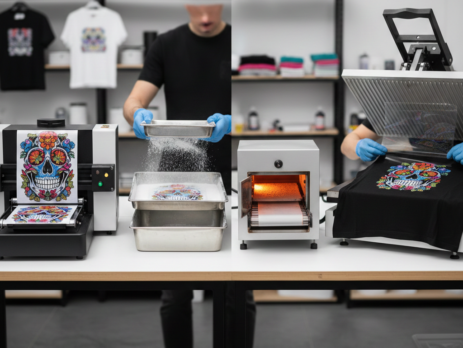
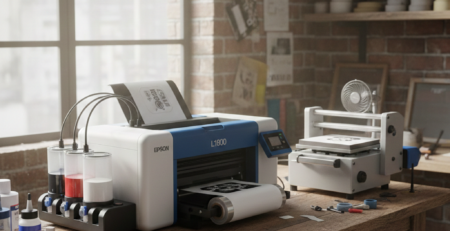
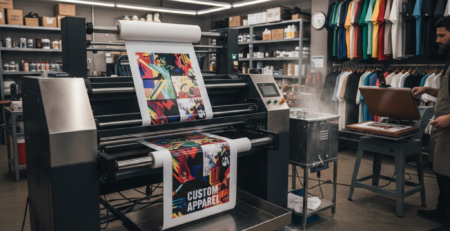
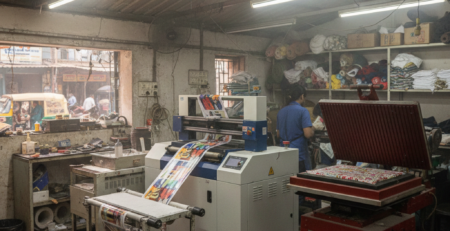
DTF Printing means printing a design on a special film and transferring it onto fabric using heat. It works on almost any material.
Basic process
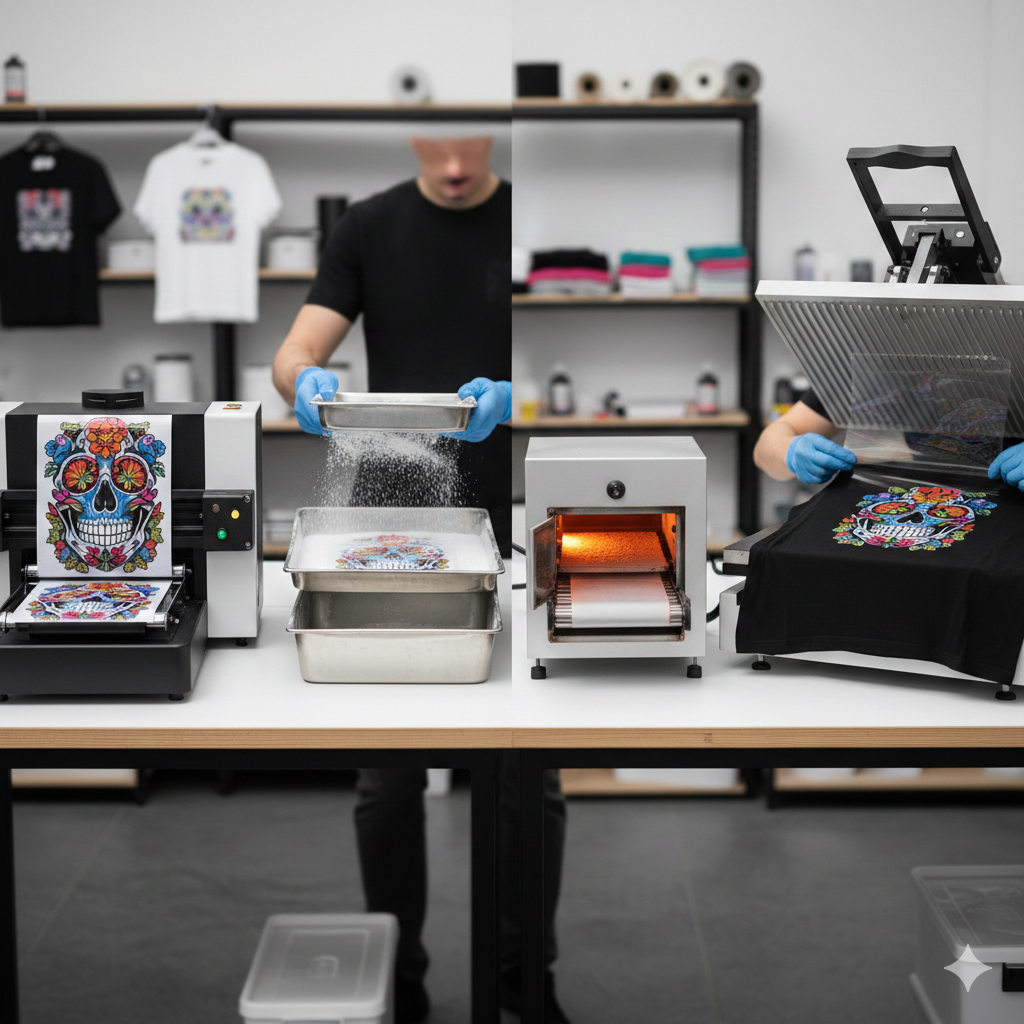
- Design is printed on PET film
- Adhesive powder is applied
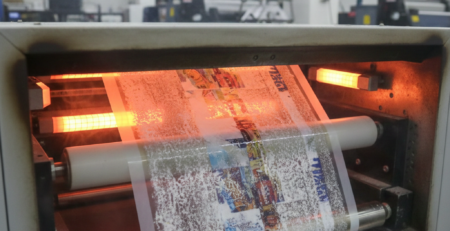
- Film is heat cured
- Design is pressed onto fabric
Most beginners use ready machines like DTF A3 Printer Combo for small businesses.
Common uses
- Custom T-shirts
- Hoodies
- Tote bags
- Promotional clothing
DTF is popular because it handles complex designs easily.
What is Vinyl Printing?
Core definition
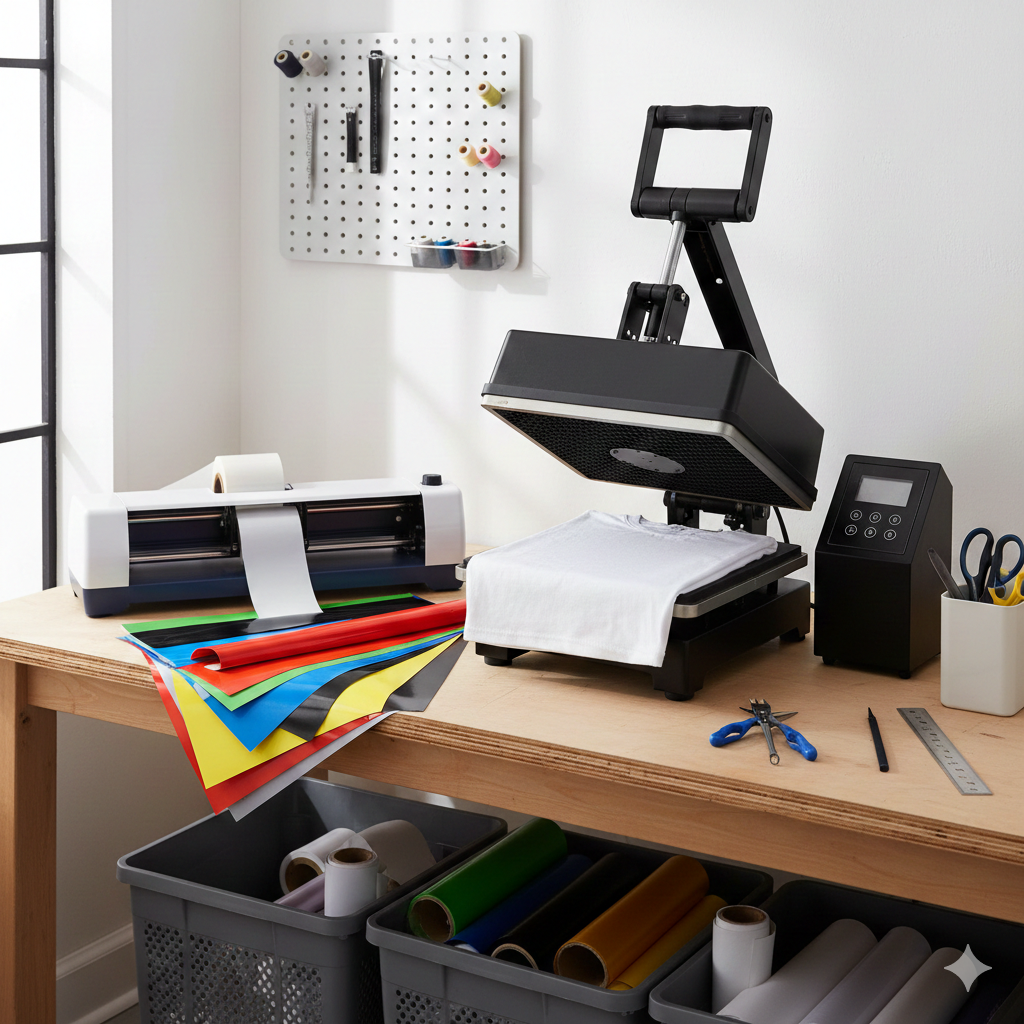
It uses colored vinyl sheets cut into shapes and heat-pressed onto fabric. It’s one of the oldest and simplest printing methods.
Basic process
- Design is cut from vinyl
- Extra vinyl is removed (weeding)
- Vinyl is heat pressed onto fabric
Beginners often start with PU Heat Transfer Rolls
Common uses
- Name lettering
- Jersey numbers
- Simple logos
- Sportswear
This Printing is known for clean, bold results.
Key Comparison Points
Cost breakdown
This Printing has lower startup cost. You need vinyl sheets and a cutter. DTF needs a printer, powder, film, and curing.
For beginners with limited budget, Vinyl Printing feels safer.
Durability factors
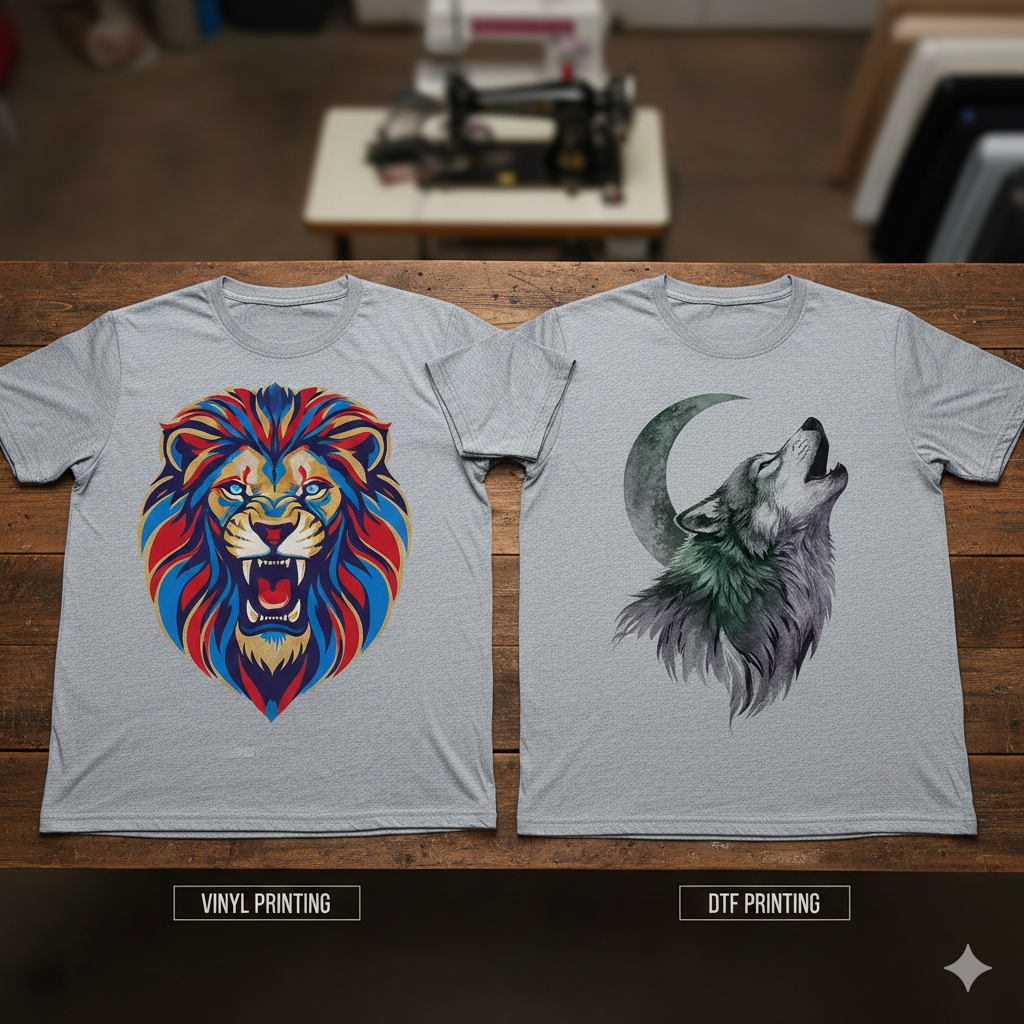
DTF prints stretch well and last long if cured properly. Vinyl lasts long too but may peel over time if not pressed correctly.
Material compatibility
DTF works on cotton, polyester, blends, even leather.
Vinyl Printing struggles with textured or stretch fabrics.
Design flexibility
DTF handles gradients, photos, and small details.
Vinyl Printing works best with solid colors and simple shapes.
Production speed
Vinyl is slow for bulk orders.
DTF is faster once setup is ready.
Ease for beginners
Vinyl Printing is easier to learn.
DTF has a learning curve but offers more flexibility later.
Pros and Cons
DTF Printing – Pros
- Works on many fabrics
- Handles complex designs
- Soft print feel
- Ideal for bulk orders
DTF Printing – Cons
- Higher initial cost
- Needs proper curing
- More maintenance
Beginners often pair machines with DTF Hot Melt Powder for better adhesion.
Vinyl Printing – Pros
- Low startup cost
- Easy to learn
- No ink drying issues
- Clean and sharp finish
Vinyl Printing – Cons
- Time-consuming weeding
- Not good for photos
- Limited color blending
Using Heat Press Machine 15×15 improves vinyl results.
Best Use Cases
When to choose DTF
- Selling custom apparel
- Printing detailed artwork
- Working with different fabrics
- Scaling your business
When to choose Vinyl Printing
- Small home setup
- Sports jerseys
- Simple logos
- Low investment start
Beginner recommendations
If you’re testing the market, This Printing is safer. If you want growth and variety, DTF is better long-term.
Frequently Asked Questions
Is this Printing better for beginners?
Yes. Vinyl Printing is simpler and cheaper to start.
Does Vinyl Printing last long?
Yes, if pressed correctly and washed properly.
Can I use both methods together?
Many small businesses do. Vinyl for names, DTF for designs.
Conclusion (Strong & Useful)
Quick recap
Vinyl Printing is simple, affordable, and beginner-friendly.
DTF Printing offers flexibility, detail, and scalability.
Final beginner tip
Start small. Learn Vinyl Printing basics. Upgrade to DTF when your orders grow.
Call to action
Choose your method wisely, practice consistently, and focus on quality. Printing success comes from patience, not machines.
Product Suggestions (Used Naturally Above)
External Expert References
- PrintIndustry.com – Printing trends and methods
- Fespa.com – Global print technology insights
- inkjetinsights.com – Ink and print research
Credit: Information references from Fespa, PrintIndustry, and other public sources.

Leave a Reply