
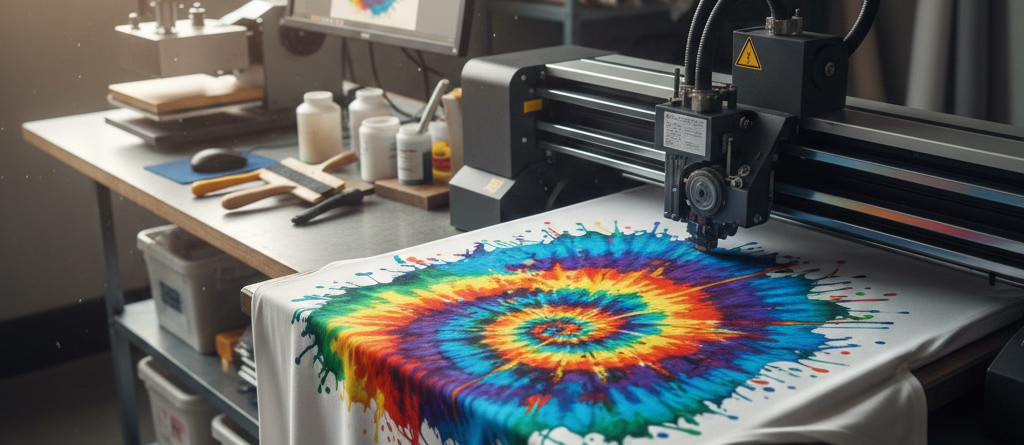
1. DTG vs DTF Printing: Smart Comparison for Startup Success
Table of Contents
DTG vs DTF Printing: Which Is Better for Startups?
Introduction
If you are starting a T-shirt printing business, you will face one big question early on DTG vs DTF Printing, which one should you choose?
Both methods are popular. Both are profitable. But they work very differently. Choosing the wrong one can increase your costs, slow your work, or limit your designs.
This guide explains DTG vs DTF Printing in a simple way. No technical confusion. No sales talk. Just real comparisons, startup costs, fabric support, quality, and long-term growth.
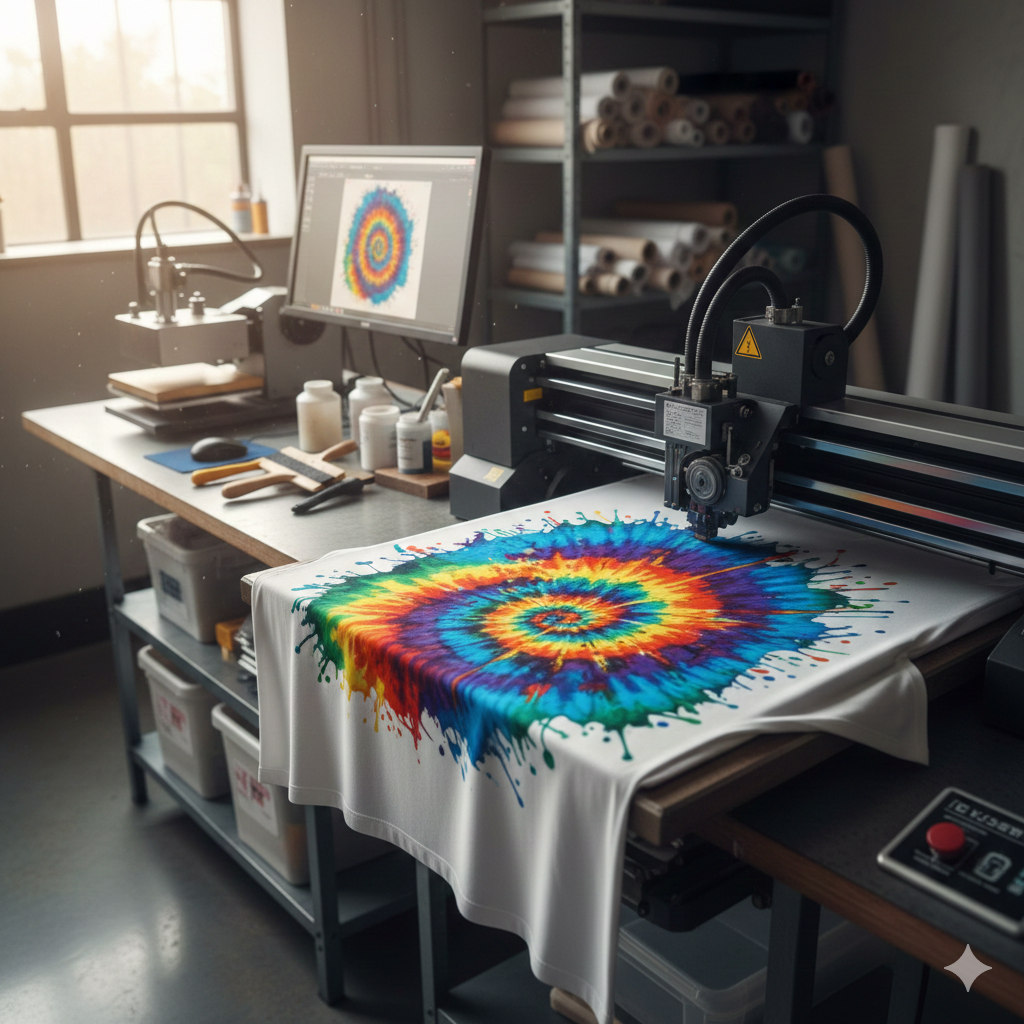
What is DTG Printing?
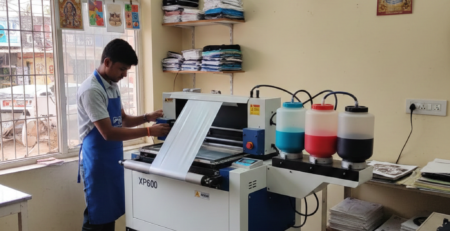
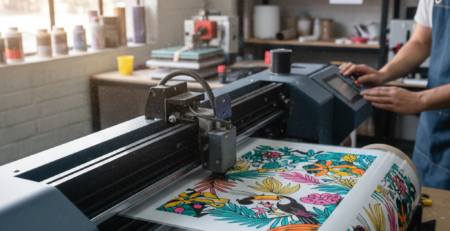
DTG (Direct to Garment) printing works like an inkjet printer. The printer sprays water-based ink directly onto the fabric.
The design becomes part of the cloth. That is why DTG prints feel soft and smooth.
DTG is best for:
- Cotton garments
- Detailed artwork
- Photo-quality prints
- Small orders
However, DTG needs pre-treatment. The fabric must be prepared before printing. This adds time and effort.
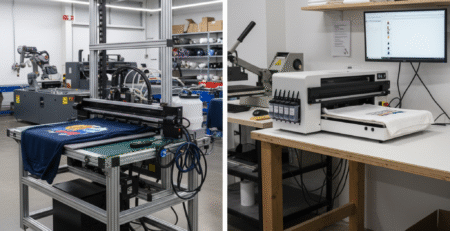
In the DTG vs DTF Printing debate, DTG wins in softness but loses in flexibility.
What is DTF Printing?
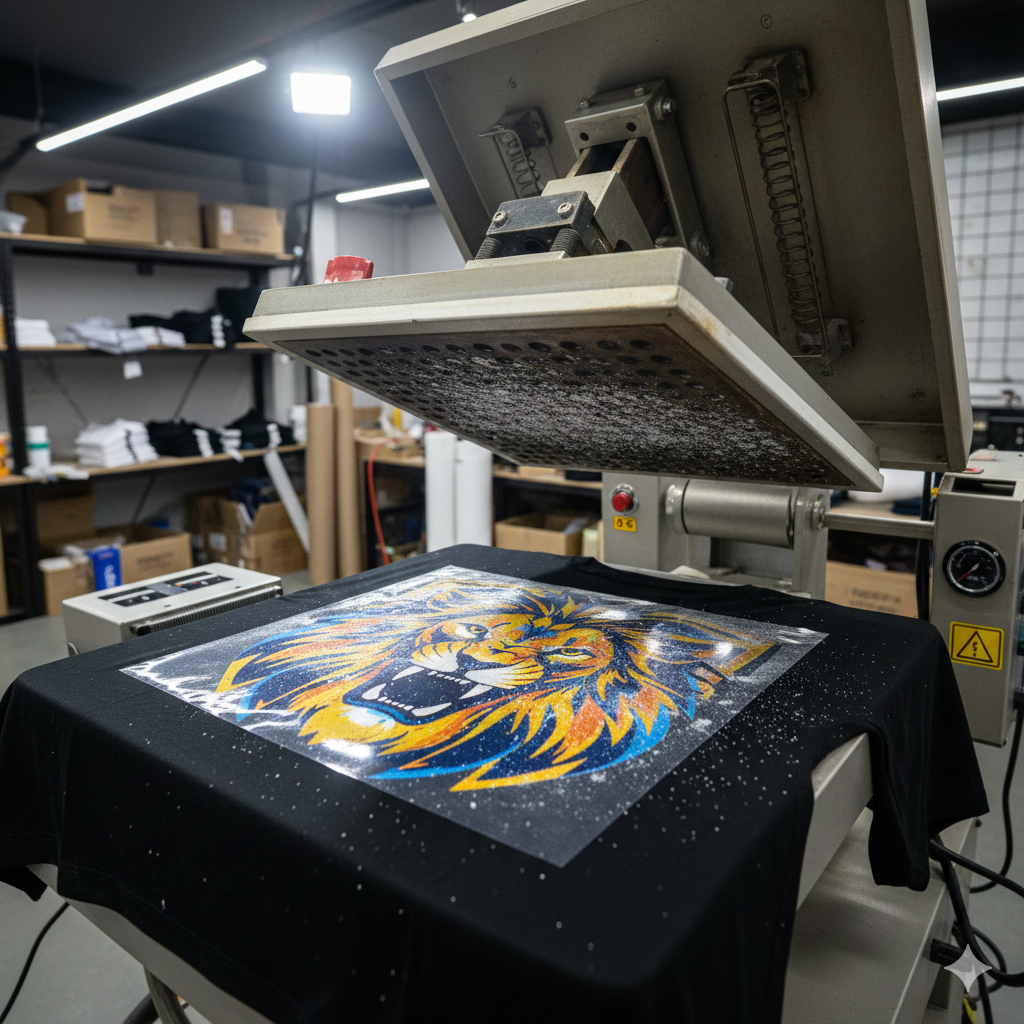
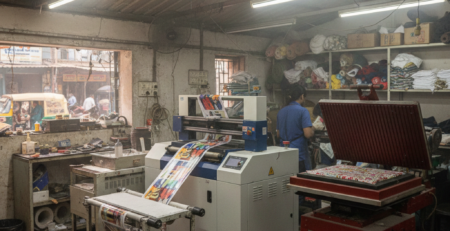
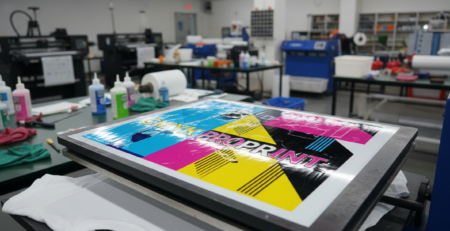
DTF (Direct to Film) printing works differently. The design is printed on a special film first. Then powder is applied. Heat transfers the design to fabric.
DTF works on:
- Cotton
- Polyester
- Blends
- Dark and light fabrics
This flexibility makes DTF very attractive for startups.
In DTG vs DTF Printing, DTF is more adaptable and easier to scale.
Key Differences (Table)
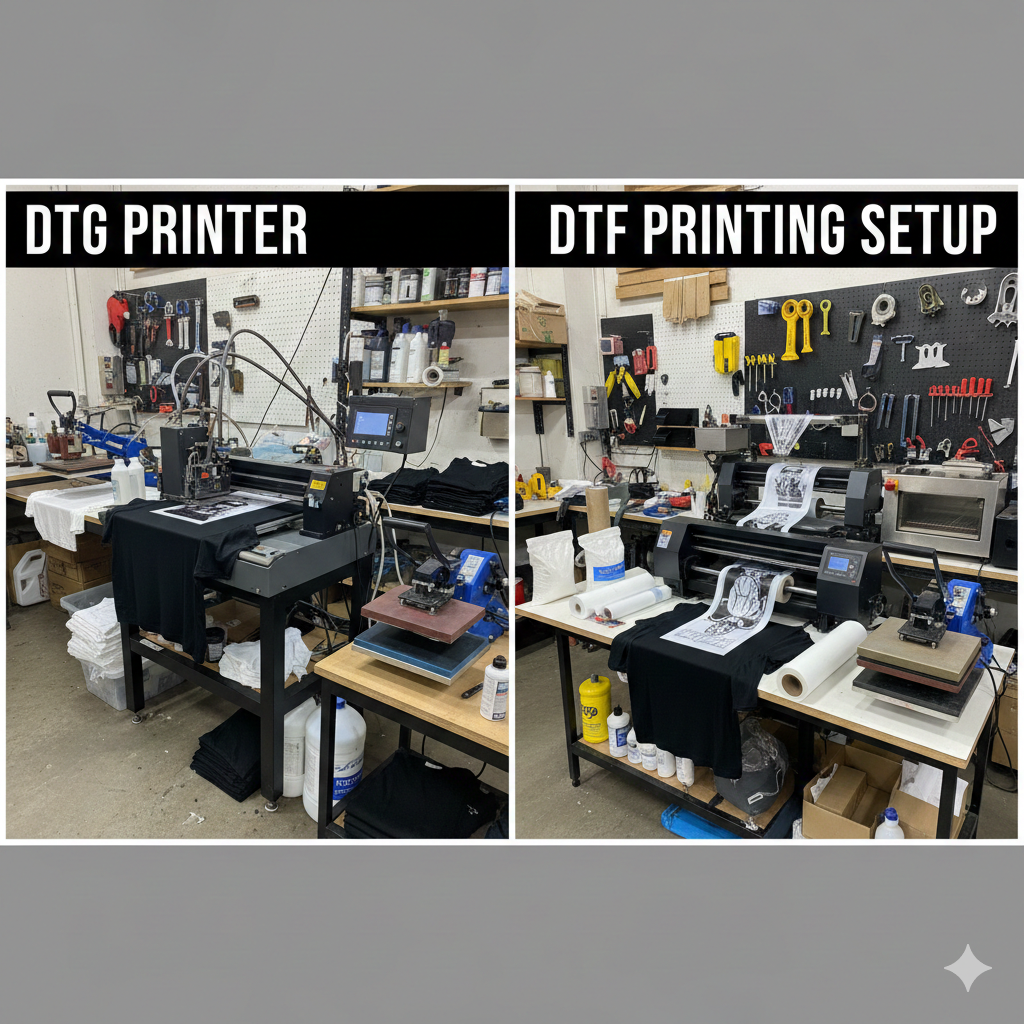
| Feature | DTG Printing | DTF Printing |
|---|---|---|
| Printing Surface | Direct on fabric | Film first |
| Fabric Type | Mostly cotton | Almost all fabrics |
| Feel | Very soft | Slightly raised |
| Setup Cost | High | Medium |
| Maintenance | High | Low |
| Startup Friendly | Limited | Very good |
This table alone helps many startups decide DTG vs DTF Printing.
Pros and Cons of DTG
Pros
- Soft print finish
- Excellent for photos
- No transfer layer
Cons
- Expensive machines
- Needs pre-treatment
- Limited fabric types
- Slower production
DTG is great for boutique brands but not ideal for fast growth.
Pros and Cons of DTF
Pros
- Works on many fabrics
- No pre-treatment needed
- Easy storage of prints
- Faster bulk production
Cons
- Slightly thicker feel
- Heat press required
For most startups, DTG vs DTF Printing clearly leans toward DTF.
Cost Analysis for Startups
Cost is the biggest deciding factor.
DTG machines cost much more. Maintenance is expensive. Ink wastage is common.
DTF machines cost less. Consumables are affordable. Errors cost less money.
Many new printers start with tools like
DTF Printing Machine A3
because it balances price and output well.
For powder curing, a simple solution is
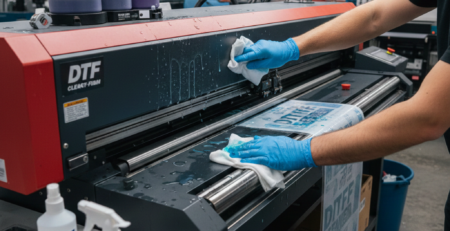
DTF Powder Shaker & Dryer
which improves consistency without hiring extra staff.
In DTG vs DTF Printing, DTF is clearly more startup-friendly.
Production Speed and Scalability
DTG prints one garment at a time. Each shirt needs attention.
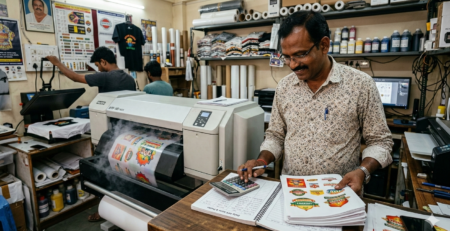
DTF allows batch printing. You can print 50 designs, store films, and press later.
This makes DTF perfect for:
- Online orders
- Festival sales
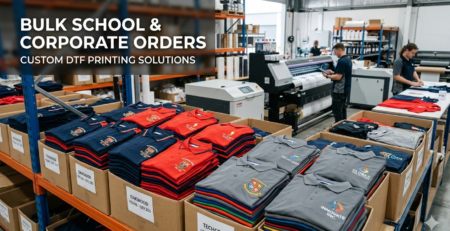
- Bulk corporate work
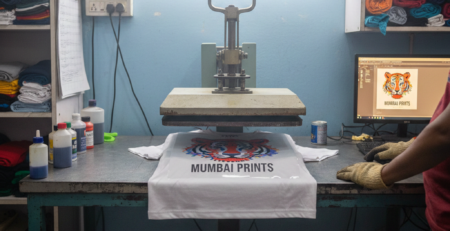
A heat press like
Automatic Heat Press Machine
helps scale faster without quality loss.
In the long run, DTG vs DTF Printing favors DTF for growth.
Fabric and Design Compatibility
DTG struggles with polyester and dark fabrics.
DTF works on almost everything.
This means you can sell:
- Sports jerseys
- Hoodies
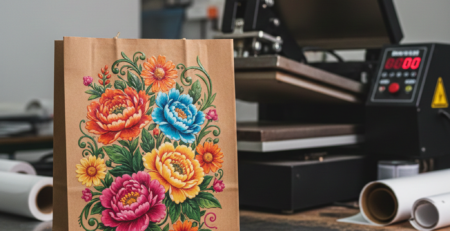
- Tote bags
- Caps
Using
DTF PET Transfer Film Roll
ensures stable prints on all materials.
For ink reliability, many printers trust
DTF Textile Ink Set
for consistent colors and wash resistance.
Fabric flexibility is a major win in DTG vs DTF Printing.
Quality and Durability
DTG feels soft but fades faster if washing is harsh.
DTF feels slightly raised but lasts longer.
Most customers care more about durability than softness.
DTF prints survive:
- Repeated washing
- Stretching
- Daily wear
That makes DTF more suitable for commercial orders.
In real-world use, DTG vs DTF Printing shows DTF delivers better long-term value.
Best for Startups: Comparison
Choose DTG if:
- You print premium cotton only
- Orders are small
- Designs are photo-based
Choose DTF if:
- You want fast growth
- You handle mixed fabrics
- You sell in bulk
For 90% of beginners, DTG vs DTF Printing ends with DTF being the smarter choice.
Conclusion and Recommendation
Both technologies work. But startups need flexibility, low risk, and scalability.
DTG is beautiful but restrictive.
DTF is practical, versatile, and forgiving.
If you want a smooth start, fewer mistakes, and faster profit, DTF is the better path.
In the long run, DTG vs DTF Printing is not about which is better overall it is about which fits a startup reality.
Product Suggestions (from DTFshop.in)
- DTF Printing Machine A3
- DTF Powder Shaker & Dryer
- DTF PET Transfer Film Roll
- DTF Textile Ink Set
- Automatic Heat Press Machine
External References + Credits
Helpful reading:
Credit: Information references from Fespa, PrintIndustry, and other public sources.

LEAVE A COMMENT