
DTF Printing on Cotton vs Polyester: 7 Ultimate Differences for Better Results
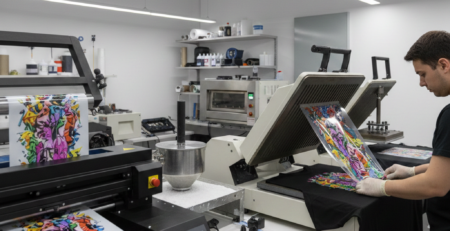
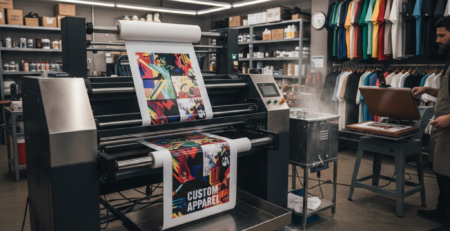
DTF printing (Direct-to-Film) is becoming very popular in the garment industry. It allows you to print designs on a film and then transfer them to fabric using heat.
Many beginners often ask about DTF printing on cotton vs polyester. Which one is better? Which gives better results?
The truth is — both fabrics behave differently. Understanding this can save you time, money, and effort.
Overview of Cotton Fabric
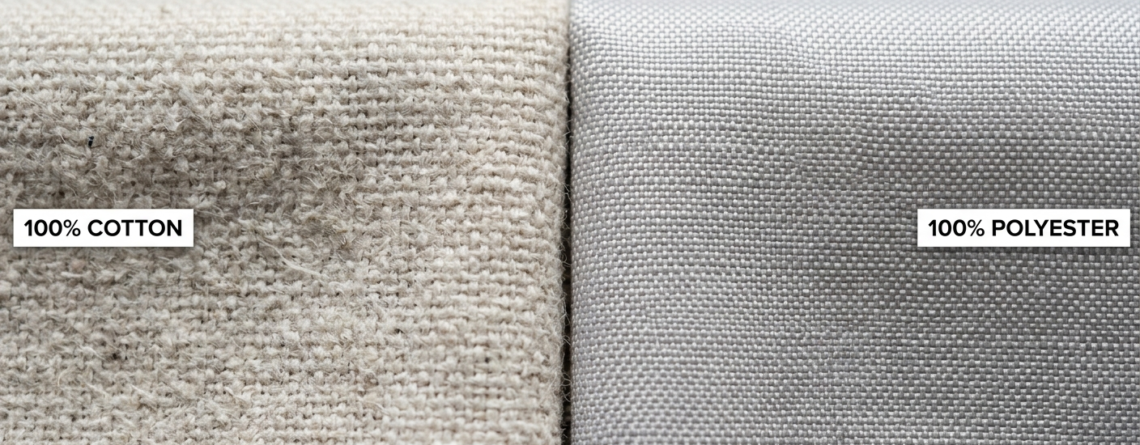
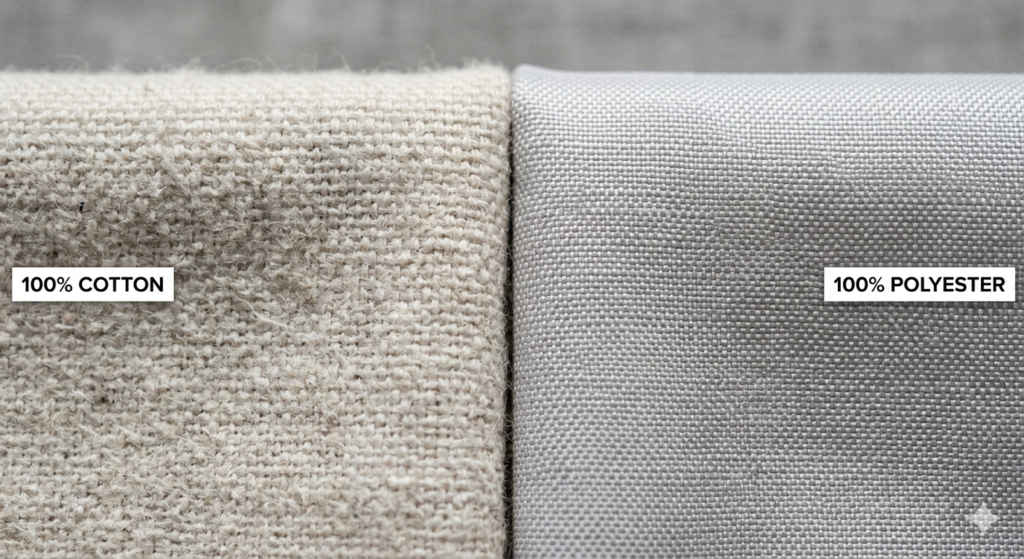
Cotton is a natural fabric. It is soft, breathable, and comfortable.
You probably wear cotton t-shirts daily. They feel smooth on the skin and are perfect for hot weather.
In printing, cotton absorbs ink well. This makes it ideal for many printing methods, including DTF.
Overview of Polyester Fabric
Polyester is a synthetic fabric. It is strong, lightweight, and quick-drying.
You often see polyester in sportswear. It handles sweat better and dries fast.
However, polyester reacts differently to heat and ink compared to cotton. This is where DTF printing on cotton vs polyester becomes important.
How DTF Works on Cotton
DTF works very well on cotton.
When you transfer the design, the adhesive powder sticks nicely to the cotton fibers. This gives:
- Strong bonding
- Bright colors
- Smooth finish
For best results, good machines matter. Many professionals use 🔵 ProlificGeeks DTF Printer L1800 because it handles cotton prints reliably.
Cotton also allows thicker ink layers, which improves design visibility.
How DTF Works on Polyester
DTF also works on polyester, but with a few precautions.
Polyester is sensitive to heat. If the temperature is too high, it can cause dye migration. This means the fabric color may bleed into the design.
Using stable printheads like 🔵 XP600 or 🔵 i3200 helps maintain color accuracy during printing.
In DTF printing on cotton vs polyester, polyester requires more control during heat pressing.
Key Differences: Print Quality
When comparing DTF printing on cotton vs polyester, print quality is one of the biggest factors.
On Cotton:
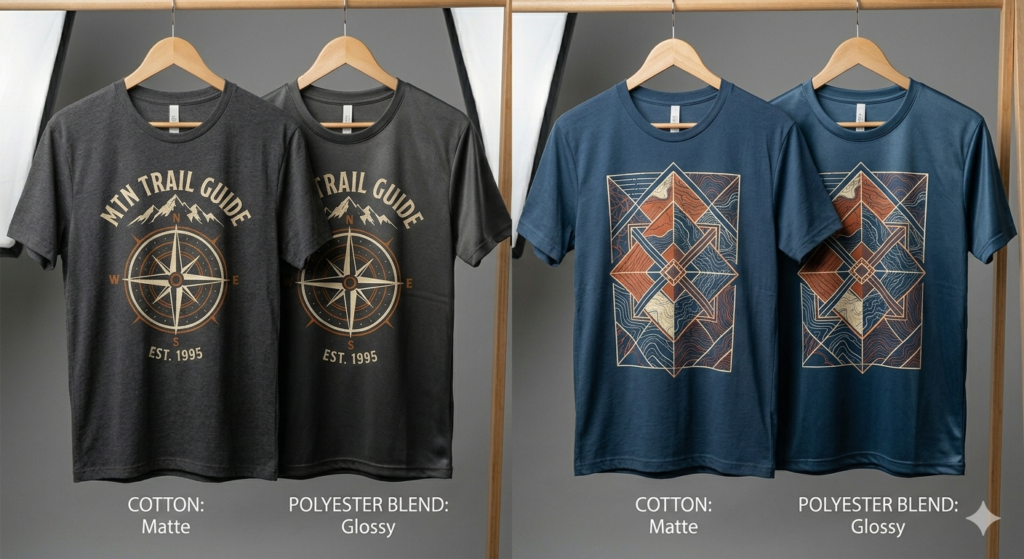
- Colors look richer
- Better ink absorption
- Matte finish
On Polyester:
- Colors may appear slightly duller
- Risk of color shifting
- Slight shine finish
Cotton usually wins in print quality. But polyester still looks great when done correctly.
Key Differences: Durability and Feel
Durability is where things get interesting.
Cotton:
- Soft feel
- Slightly thicker print layer
- Can crack over time if not cured properly
Polyester:
- More flexible print
- Better stretch resistance
- Feels slightly rubbery
In real life, sportswear brands prefer polyester because of flexibility.
But for casual wear, cotton feels more premium.
Key Differences: Application Process
This is where beginners struggle most.
Cotton Process:
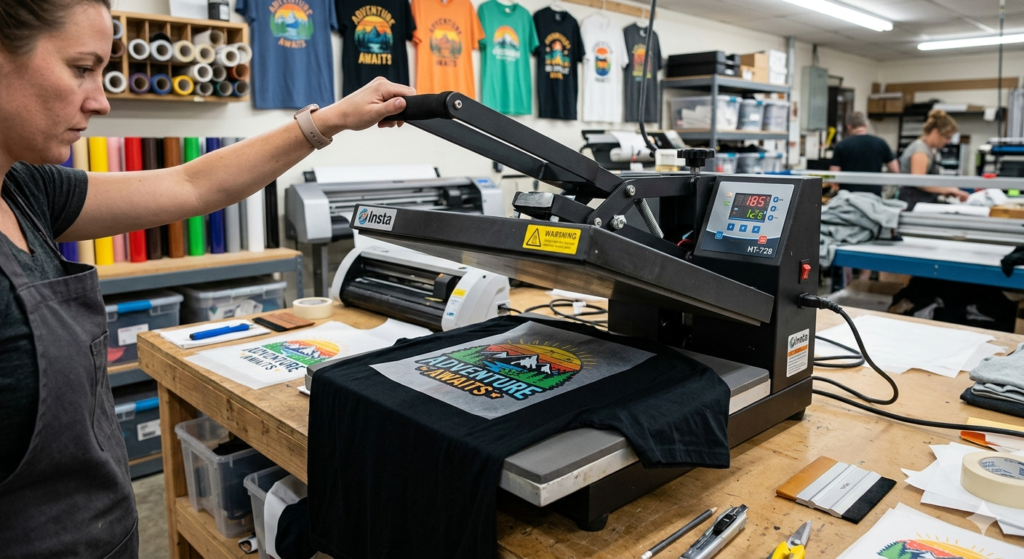
- Temperature: 160–170°C
- Easy to press
- Less risk
Polyester Process:
- Temperature: 130–145°C
- Needs careful timing
- Risk of fabric damage
So, in DTF printing on cotton vs polyester, cotton is easier to handle, especially for beginners.
Pros and Cons Comparison
Cotton
Pros:
- Better print quality
- Soft feel
- Easy application
Cons:
- Slightly less stretch
- Can shrink after washing
Polyester
Pros:
- Durable
- Stretchable
- Great for sportswear
Cons:
- Heat sensitive
- Dye migration risk
Best Use Cases for Each
Choosing between DTF printing on cotton vs polyester depends on your purpose.
Use Cotton For:
- T-shirts
- Fashion wear
- Custom merchandise
Use Polyester For:
- Sportswear
- Gym clothing
- Performance apparel
For bulk production, machines like 🔵 i3200 provide consistent results across both fabrics.
Tips for Optimal Results
Here are some practical tips I’ve learned from experience:
- Always pre-press fabric to remove moisture
- Use correct temperature for each fabric
- Avoid overheating polyester
- Use high-quality films and powder
- Maintain your printer regularly
Reliable setups using 🔵 XP600 or 🔵 ProlificGeeks DTF Printer L1800 can reduce common printing errors.
These small steps make a big difference in DTF printing on cotton vs polyester.
Conclusion
Both fabrics have their strengths.
Cotton gives better print quality and feel. Polyester offers durability and flexibility.
There is no “one-size-fits-all” answer. The right choice depends on your product type.
Understanding DTF printing on cotton vs polyester helps you make smarter decisions and deliver better results to your customers.
Key Takeaways
- Cotton is best for print quality and comfort
- Polyester is best for durability and sportswear
- Heat settings are critical for polyester
- Cotton is beginner-friendly
- Machine quality affects final output
Product Suggestions (Used in Blog)
🔵 ProlificGeeks DTF Printer L1800
🔵 XP600
🔵 i3200
External References + Credits
For deeper understanding, you can explore:
- PrintIndustry.com
- Fespa.com
- InkJetInsights.com
- ResearchGate
Credit: Information references from Fespa, PrintIndustry, and other public sources.



LEAVE A COMMENT