
DTF Transfers Guide: 5 Proven Ways to Find Wholesale Buyers
Introduction
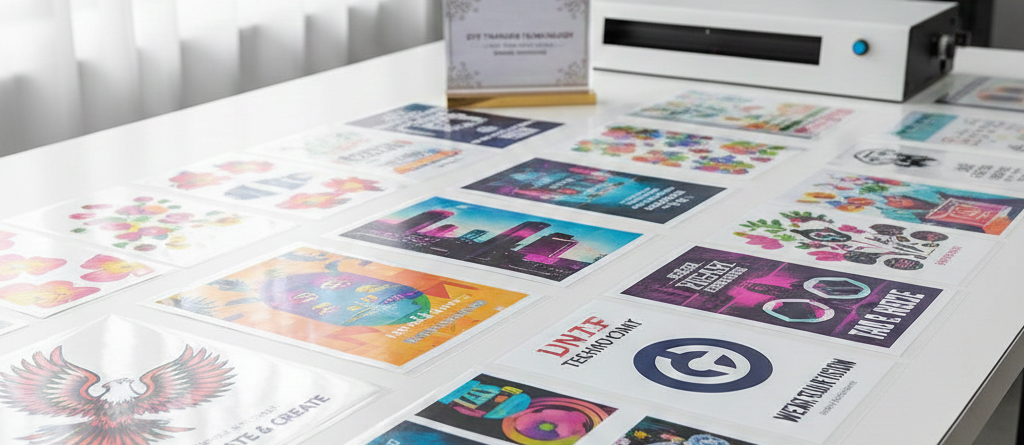
DTF Transfers have quickly become one of the most in-demand solutions in custom apparel printing. From small t-shirt shops to large garment factories, everyone wants fast, clean, and flexible printing options. That is where DTF Transfers fit perfectly.
Chat with our team for printers, consumables, film, powder and business setup guidance.
If you are producing DTF Transfers and want consistent bulk orders, wholesale buyers are the key. Retail customers come and go. Wholesale buyers stay longer, order bigger quantities, and help stabilize your business.
The wholesale market is not complicated. But it does need planning, patience, and the right approach. This guide explains how real print businesses find buyers and grow step by step.
Understanding Your Target Wholesale Buyers
Before you start searching, you must know who actually buys DTF Transfers in bulk.
Typical wholesale buyers include:
- T-shirt printing shops
- Screen printing units
- Uniform manufacturers
- Promotional product suppliers
- Online apparel brands
Each buyer has different needs. A local print shop may order weekly. A garment factory may place monthly bulk orders. Understanding this helps you pitch correctly.
For example, a small print shop values fast delivery. A large buyer focuses on pricing and consistency.
Researching Potential Buyers Online
Online research is the easiest starting point.
Search on Google using terms like:
- “custom t-shirt printing near me”
- “screen printing shop”
- “uniform manufacturers”
Visit their websites. Check if they already use heat transfers or screen printing. Many of them want to switch to DTF Transfers but do not know reliable suppliers yet.
Make a simple list with:
- Business name
- Phone number
- City
- Type of printing
This list becomes your first lead database.
Leveraging B2B Platforms and Marketplaces
B2B platforms are powerful for wholesale connections.
Websites like IndiaMART, TradeIndia, and Alibaba already have buyers searching for DTF Transfers. Create a clean profile with real photos, clear pricing ranges, and honest timelines.
Do not overpromise. Buyers remember honesty more than low prices.
Tip: Reply fast. Most wholesale deals are closed by the supplier who responds first.
Attending Trade Shows and Industry Events
Offline events still matter a lot.
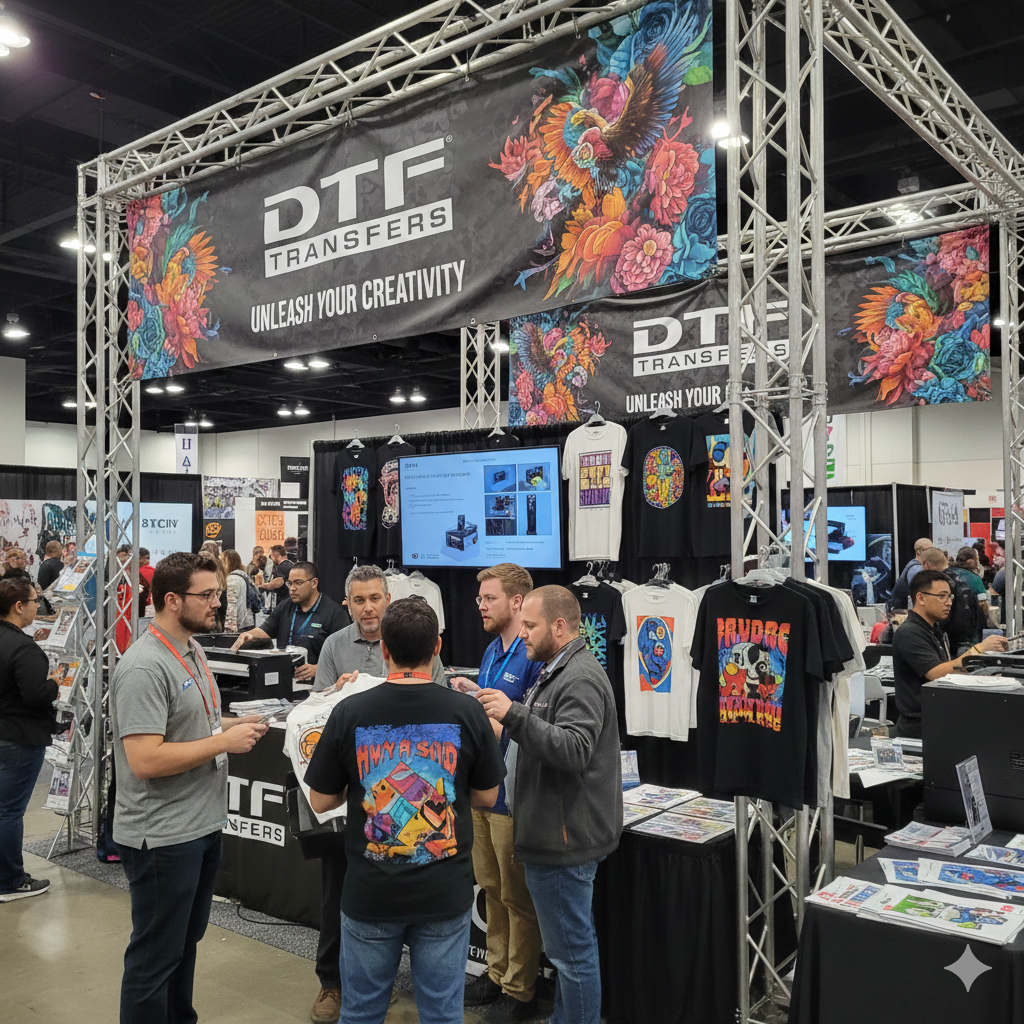
Trade shows like FESPA exhibitions or local print expos allow you to meet buyers face to face. When buyers touch and feel DTF Transfers, trust builds faster.
Carry:
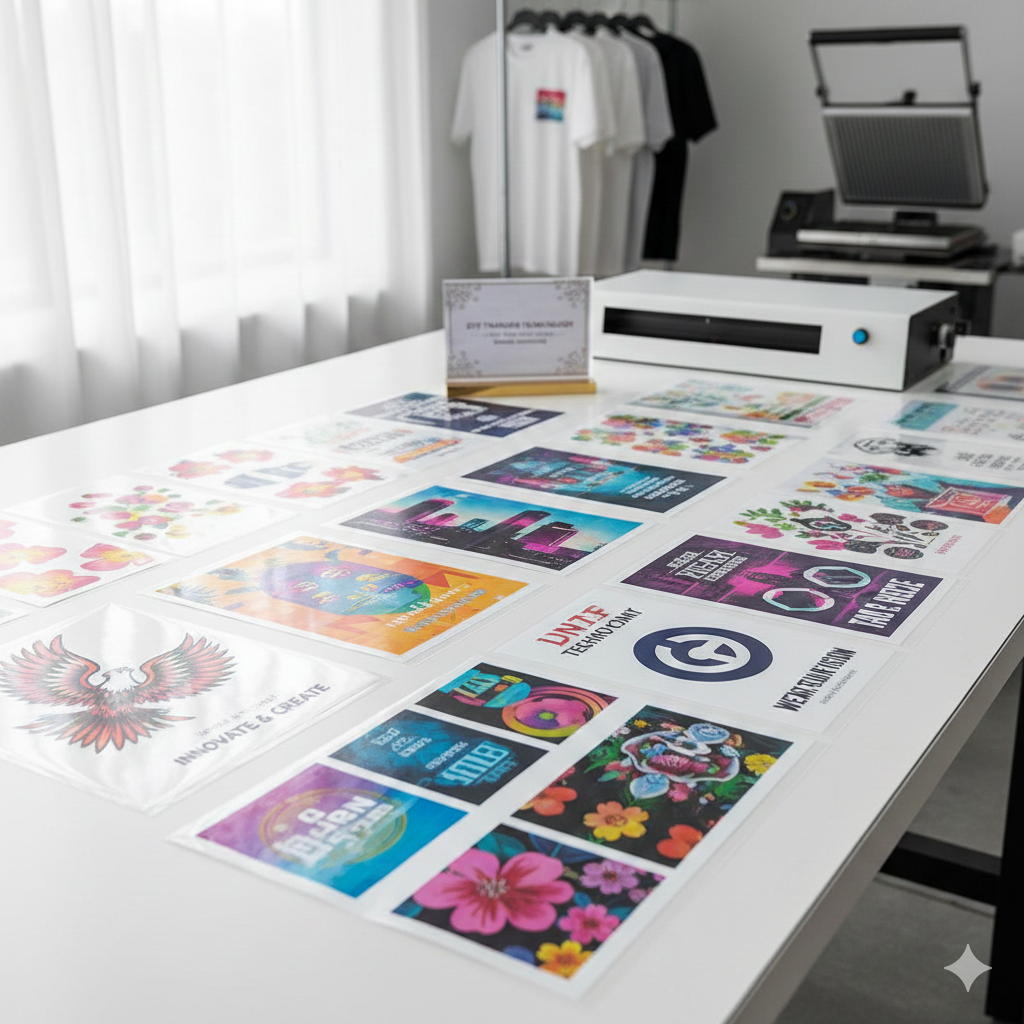
- Printed sample sheets
- Finished t-shirt samples
- A simple price list
One good conversation at a trade show can turn into a long-term buyer.
Building a Professional Online Presence
Your online presence works 24/7.
At minimum, you need:
- A clean website
- Clear product pages
- Contact details
Show real images of DTF Transfers, not stock photos. Mention sizes, wash durability, and application method.
Many wholesalers check your site before replying to emails.
Networking Through Social Media and Forums
Social platforms are underrated for wholesale leads.
Facebook groups for printers, garment businesses, and heat press users are full of potential buyers. Do not spam.
Answer questions. Share small tips. Post sample work.
Over time, people message you directly asking about DTF Transfers pricing.
LinkedIn is also useful for connecting with factory owners and purchase managers.
Cold Outreach Strategies (Email/Phone)
Cold outreach still works when done politely.
Keep emails short:
- Introduce yourself
- Mention how DTF Transfers can help them
- Ask if they want samples
Avoid long sales messages.
Phone calls work best for local buyers. One honest call can save weeks of emails.
Creating Wholesale Catalogs and Samples
Samples sell faster than words.
Prepare:
- A small catalog
- Sample transfer sheets
- Printed garment examples
Send samples to serious buyers only. It filters out non-serious inquiries.
Many buyers decide after testing one sample wash cycle.
Partnering with Print Shops and Screen Printers
Screen printers are not competitors. They are customers.
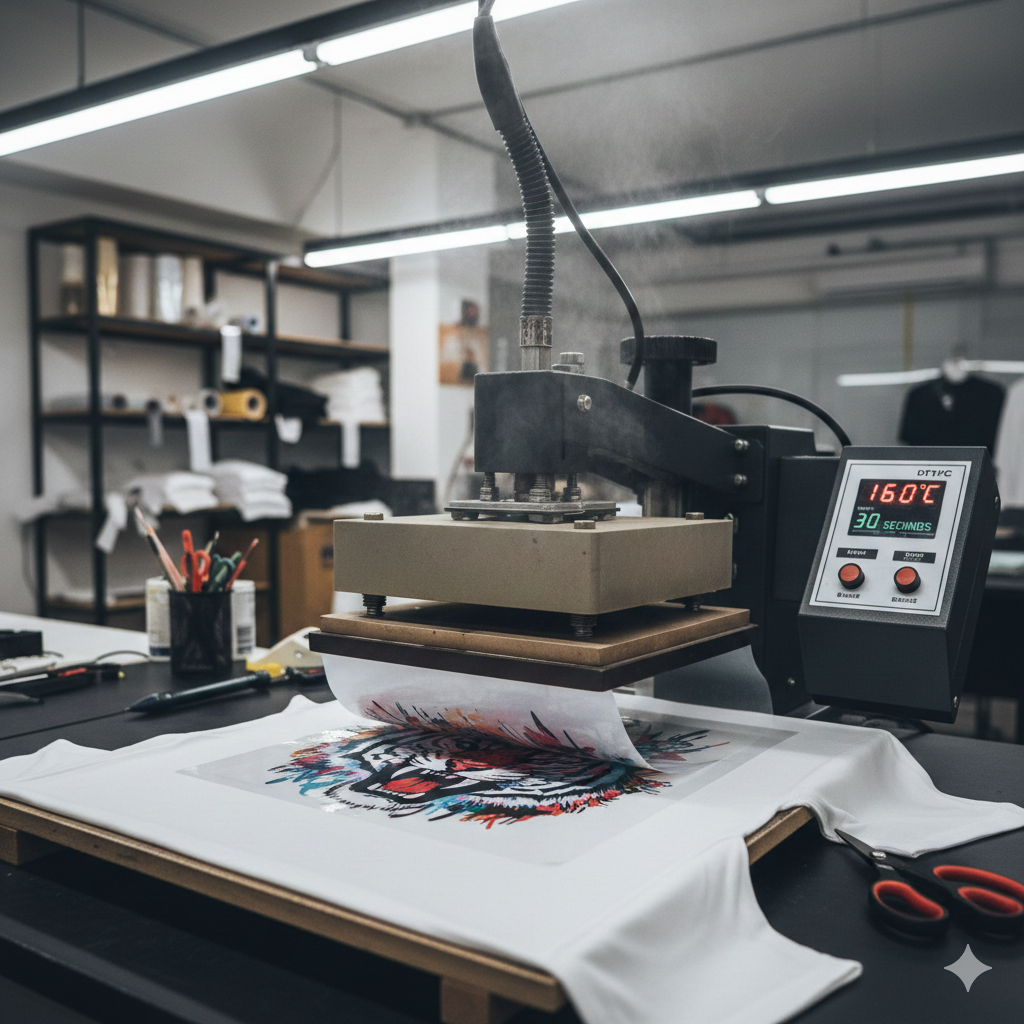
Many screen printers use DTF Transfers for short runs and urgent jobs. Partnering with them gives repeat business.
Offer consistent quality. Never miss deadlines. Word spreads fast in printing circles.
Optimizing Pricing and Minimum Order Quantities
Wholesale pricing must make sense for both sides.
Keep:
- Simple price slabs
- Clear minimum order quantity
Avoid confusing discounts.
Example:
- 50–100 sheets: base price
- 100–500 sheets: lower rate
Buyers prefer clarity over complex offers.
Tracking Leads and Following Up
Most deals are closed after follow-up.
Use:
- Excel
- Google Sheets
- Simple CRM tools
Note who asked for samples, pricing, or callbacks.
Follow up politely after 5–7 days. Many buyers forget, not ignore.
Scaling Relationships into Long-Term Contracts
Once trust builds, talk about regular supply.
Offer:
- Fixed monthly pricing
- Priority production slots
- Quality consistency
Long-term buyers reduce your marketing effort.
Common Challenges and Solutions
Challenge: Price pressure
Solution: Educate buyers on quality and durability
Challenge: Payment delays
Solution: Advance payment or partial advance
Challenge: Quality complaints
Solution: Test every batch before dispatch
Every DTF Transfers business faces these. Handling them calmly builds reputation.
Conclusion with Actionable Next Steps
Finding wholesale buyers for DTF Transfers is not about luck. It is about visibility, trust, and consistency.
Start with local research. Build online presence. Send samples. Follow up.
Do one step daily. Results follow.
Product Suggestions (Used Naturally)
You can explore reliable materials like
DTF Transfer Films from DTFshop.in for consistent output.
Many printers also prefer
DTF Inks available at DTFshop.in for better color accuracy.
For production stability,
DTF Hot Melt Powder from DTFshop.in works well across fabrics.
A good setup includes
DTF Printing Machines listed on DTFshop.in for scalable orders.
These products are commonly used by wholesale suppliers and print shops.
External References + Credits
Helpful industry insights were reviewed from:
Credit: Information references from Fespa, PrintIndustry, and other public sources.

LEAVE A COMMENT