
PET Film Ultimate Guide: 7 Powerful Facts About PET Film in DTF Printing
Table of Contents
Introduction to PET Film
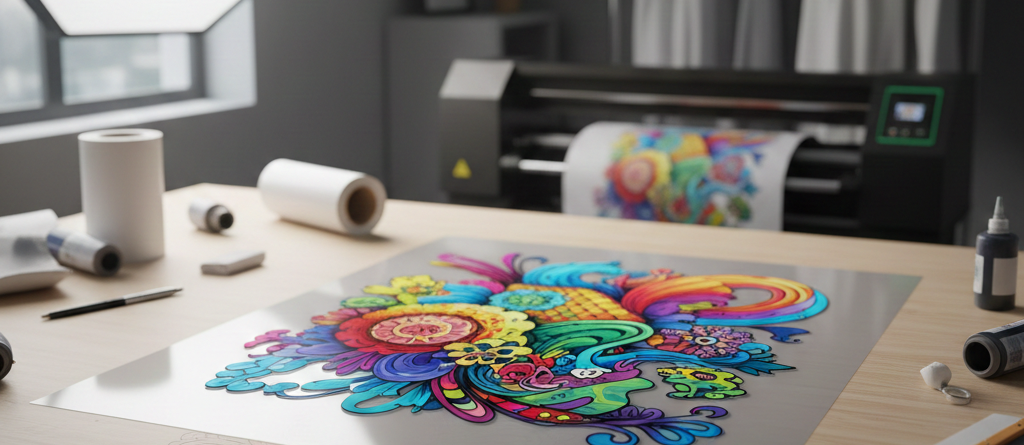
If you are working with DTF printing or planning to start, you will hear one term again and again PET Film. It is one of the most important materials in the entire printing process. Without PET Film, DTF printing simply cannot happen.
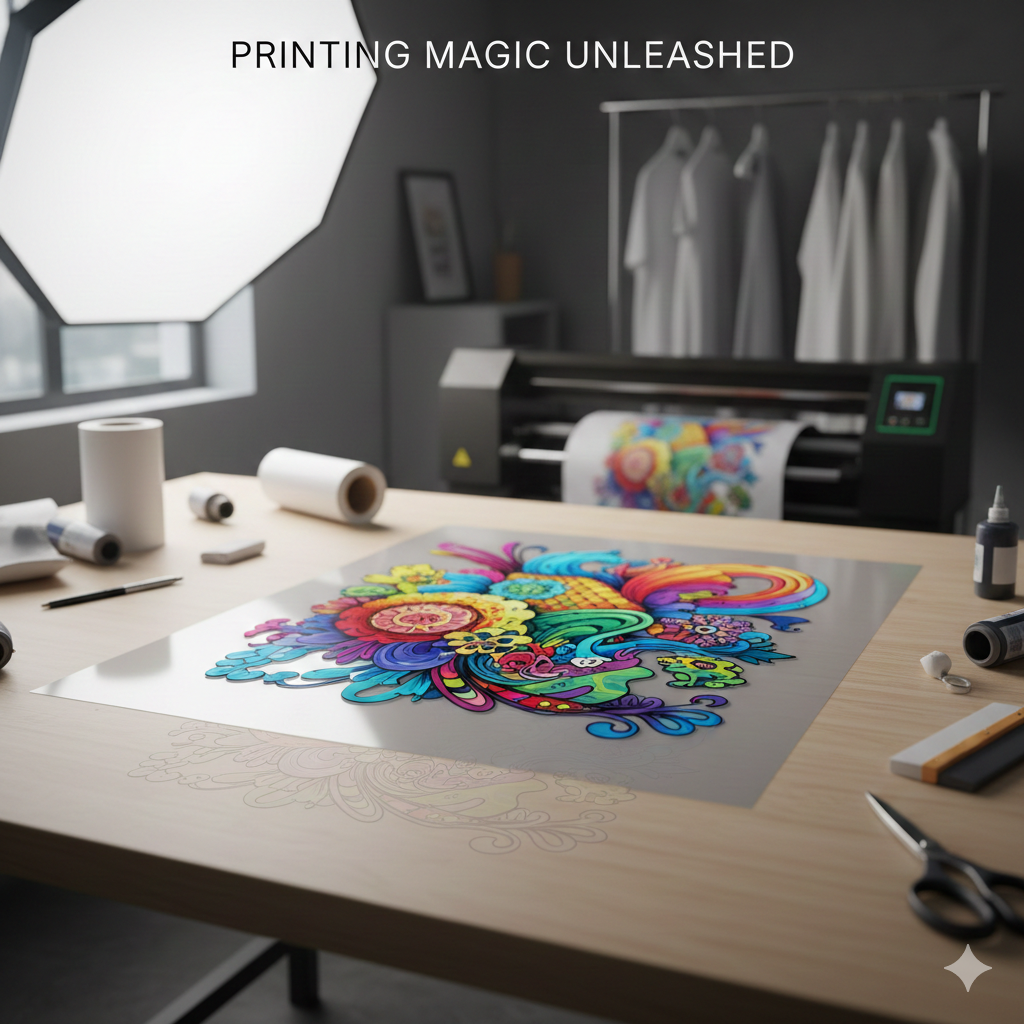
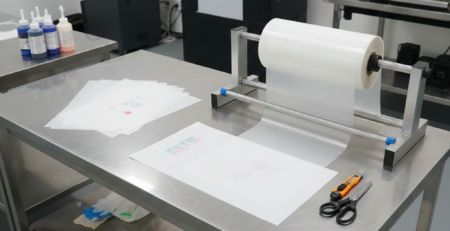
In simple words, PET Film is the carrier sheet that holds your printed design before it is transferred onto fabric. Whether you print logos, photos, or text, everything sits on PET Film first.
Chat with our team for printers, consumables, film, powder and business setup guidance.
Many beginners focus only on printers and inks. But experienced printers know that the quality of Film directly affects print sharpness, color brightness, and durability.
This blog explains Film in a simple and practical way, based on real DTF usage.
What Does PET Stand For?
PET stands for Polyethylene Terephthalate.
It is a strong plastic material used in many industries. You see it in water bottles, food packaging, and now widely in printing.
In DTF printing, Pet Film is specially coated to:
- Hold ink properly
- Accept adhesive powder
- Release the design smoothly onto fabric
Unlike regular plastic sheets, Film for DTF has a controlled surface texture. This texture helps ink stick without spreading.
Role in DTF Printing Process
Here is how it works step by step:
- The design is printed on Film using DTF ink
- Adhesive powder is applied to wet ink
- Film is cured using heat
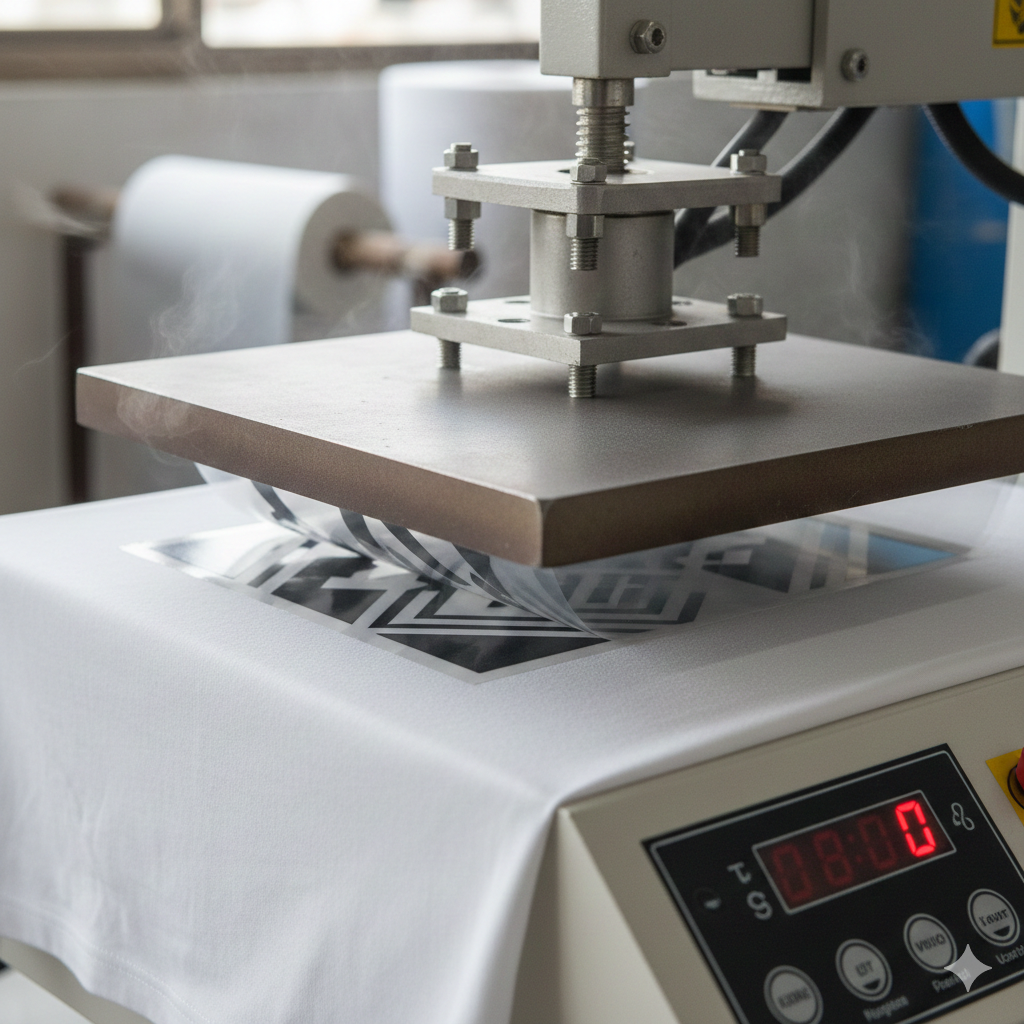
- The design is transferred onto fabric using a heat press
- Film is peeled off
Without good this Film:
- Ink may crack
- Design may not release fully
- Colors may look dull
Many professionals pair their Film with reliable printers like DTF A3 Printer to maintain consistent quality.
Key Properties
1. Heat Resistance
Film must handle high heat without melting or warping.
2. Smooth Release
After pressing, the film should peel off cleanly without lifting ink.
3. Anti-static Coating
Reduces dust attraction, which improves print clarity.
4. Correct Thickness
Too thin = wrinkles
Too thick = poor transfer
A balanced film works best with tools like DTF Heat Press Machine for smooth transfers.
Types (Hot Peel vs Cold Peel)
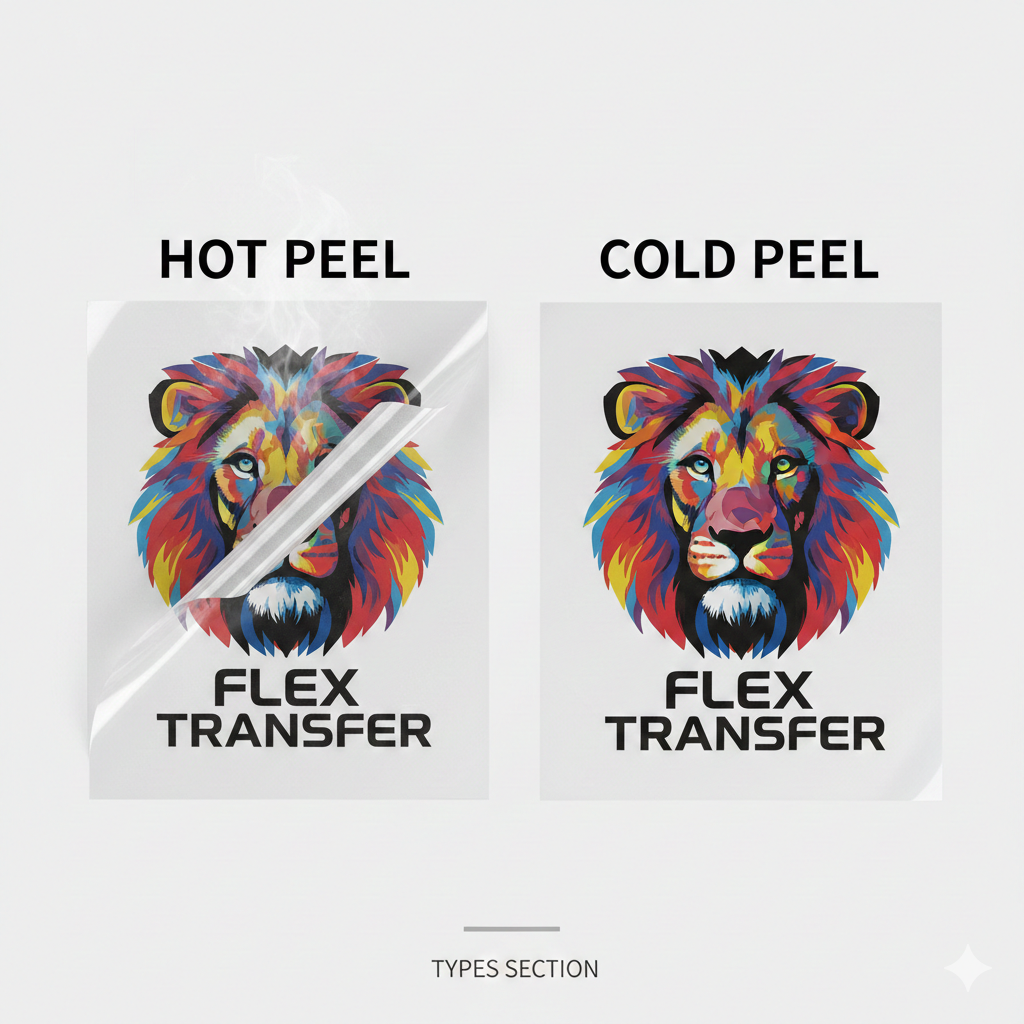
Hot Peel PET Film
- Peeled immediately after pressing
- Faster production
- Slightly softer finish
Best for bulk production and fast workflows.
Cold Peel
- Peeled after cooling
- Stronger adhesion
- Matte finish
Cold peel Film is preferred for detailed designs and premium garments.
If you use strong adhesive powders like DTF Adhesive Powder – Fine Grade, cold peel films often give better bonding.
How to Choose the Right Film
Ask yourself:
- Are you doing bulk orders?
- Are you printing fine details?
- What fabric types are you using?
Basic Tips
- For beginners: Start with cold peel Film
- For speed: Use hot peel
- For dark fabrics: Use matte Film
Also ensure your ink quality matches the film. Using trusted inks like DTF Textile Ink Set helps avoid cracking and fading.
Common Beginner Mistakes
Many beginners make mistakes with Film. Here are some real ones:
Using Wrong Side
Always print on the coated side. Printing on the wrong side causes ink rejection.
Touching Film Too Much
Oil from hands affects ink adhesion.
Wrong Heat Settings
Too much heat burns the film. Too little heat causes poor transfer.
Low-Quality Film
Using proper curing tools such as DTF Powder Curing Oven helps avoid many problems.
Tips for Best Results
These tips come from real printing experience:
- Store Film flat and dust-free
- Shake adhesive powder evenly
- Cure powder properly before pressing
- Test peel timing before bulk jobs
- Keep humidity low in workspace
Also, clean your printer regularly and maintain consistent ink flow.
FAQs
Is PET Film reusable?
No. PET Film is single-use in DTF printing.
Can PET Film work on cotton and polyester?
Yes. PET Film works on cotton, polyester, blends, and more.
Does PET Film affect wash durability?
Yes. Good PET Film improves wash resistance.
What thickness is best?
Most printers prefer 75–100 microns.
Can PET Film crack after washing?
Cracking usually happens due to poor curing or low-quality film.
Conclusion
PET Film is not just a sheet. It is the foundation of DTF printing quality.
From holding ink to releasing designs cleanly, Film controls the final output more than most beginners realize. Choosing the right Film, using correct heat settings, and pairing it with reliable DTF equipment can save time, money, and frustration.
If you want strong prints, smooth peeling, and long-lasting designs, always treat Film as a priority not an afterthought.
Product Suggestions (Used Naturally Above)
- DTF A3 Printer
- DTF Heat Press Machine
- DTF Adhesive Powder – Fine Grade
- DTF Textile Ink Set
- DTF Powder Curing Oven
External References + Credits
Helpful sources for further reading:
Credit: Information references from Fespa, PrintIndustry, and other public sources.

LEAVE A COMMENT