
DTG Printing Breakthrough: 7 Powerful Reasons Why Its Future Looks Bright
Table of Contents
Introduction to DTG Printing
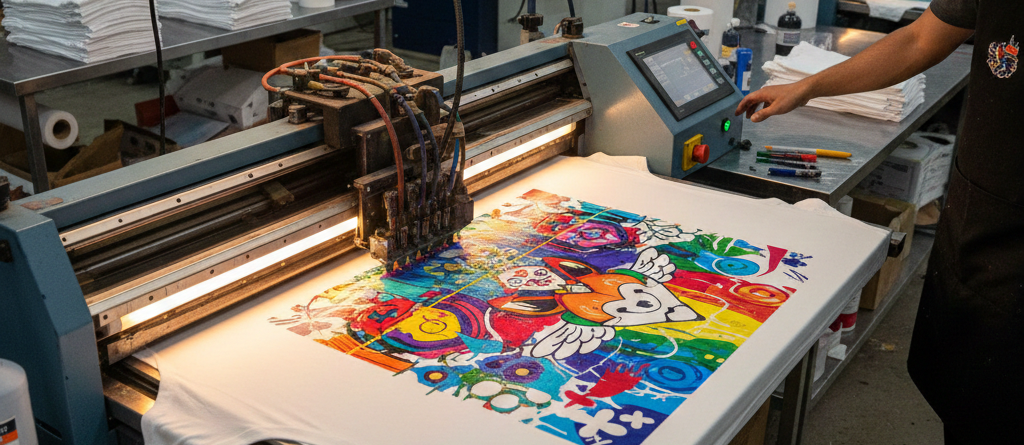
DTG Printing has changed how custom garments are made. Instead of screens, films, or long setup times, this method prints designs directly onto fabric using inkjet technology. It feels similar to printing on paper, but with fabric-safe inks and special handling.
Small clothing brands, print-on-demand sellers, and even large apparel manufacturers now use DTG Printing for its flexibility. You can print one t-shirt or one hundred without changing tools. That alone makes it powerful.
Chat with our team for printers, consumables, film, powder and business setup guidance.
But where is this technology going next? Let’s break it down in simple terms.
Current State of DTG Technology
Today, DTG Printing is widely used for cotton garments, especially t-shirts and hoodies. Most machines offer high-resolution output, soft prints, and excellent color accuracy.
Modern DTG printers now come with:
- Faster print heads
- Better white ink circulation
- Improved pre-treatment compatibility
However, printing speed is still slower compared to screen printing for bulk orders. That’s why DTG Printing is currently strongest in small-batch and custom work.
Many businesses pair their printers with tools like a DTG Pretreatment Machine or a Automatic Heat Press Machine to improve consistency and workflow.
Emerging Trends and Innovations
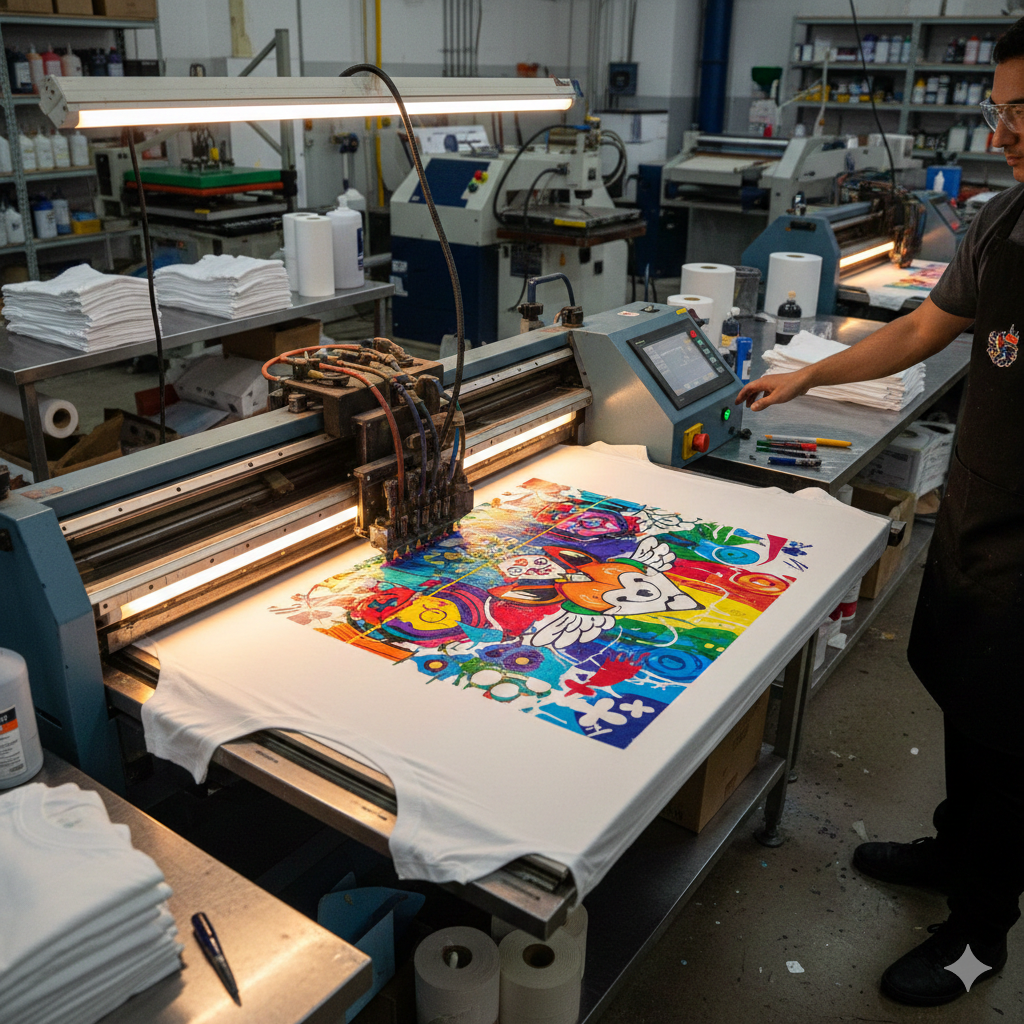
One major trend is hybrid printing. Businesses combine DTG Printing with DTF or screen printing to cover different order types.
Another trend is on-demand production. Online stores now print only after receiving an order. This reduces waste and storage costs.
We are also seeing:
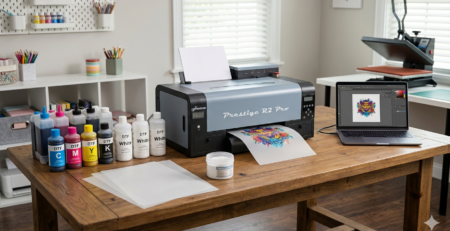
- Compact DTG printers for home studios
- Cloud-based print management software
- Easier maintenance systems
These changes are making DTG Printing more accessible to beginners.
Technological Advancements
Technology is moving fast in DTG Printing. Printer manufacturers are focusing on three main areas: speed, reliability, and ink performance.
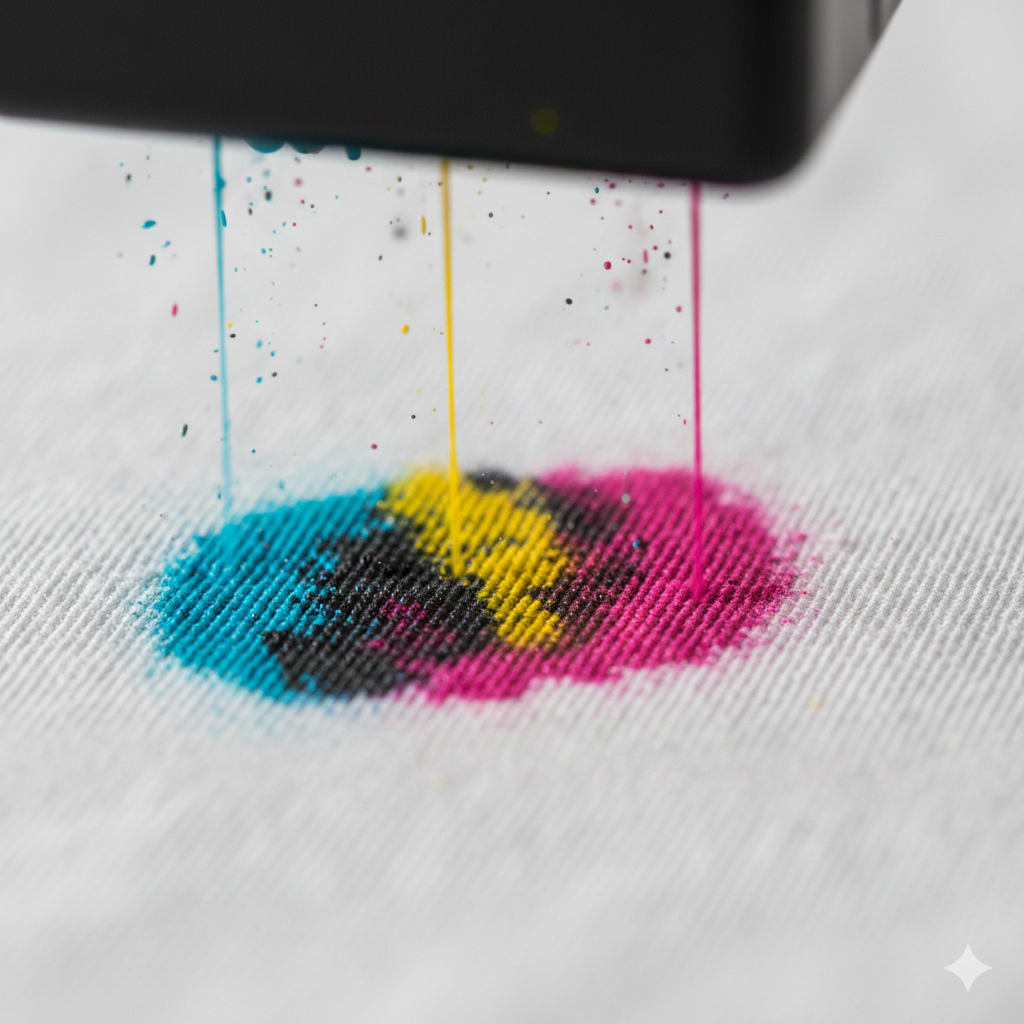
New print heads allow faster passes without losing detail. White ink systems now clog less, which used to be a big problem. Ink chemistry has improved too, giving brighter colors and better wash durability.
Supporting equipment matters as well. Many users upgrade with tools like a Textile Curing Dryer or high-quality DTG Textile Inks to ensure prints last longer.
According to InkJetInsights, these improvements are helping DTG Printing move closer to industrial-level production.
Sustainability Developments
Sustainability is becoming a big reason brands choose DTG Printing.
This method uses:
- Less water than screen printing
- Minimal ink waste
- No harsh chemicals for screen cleaning
New eco-friendly inks are water-based and safer for workers. Energy-efficient dryers also reduce power usage.
Many small brands now promote DTG Printing as an eco-conscious choice. This shift matches global sustainability goals discussed by organizations like FESPA.
Market Growth Projections
The DTG Printing market continues to grow steadily. Demand is rising from:
- Online custom apparel stores
- Corporate merchandise suppliers
- Event-based printing businesses
Research shared on PrintIndustry.com shows that digital textile printing, including DTG, is expected to grow year after year due to personalization demand.
As printer costs slowly drop and technology improves, more entrepreneurs are entering the market. This makes DTG Printing a long-term player, not a passing trend.
Challenges and Limitations
Despite its advantages, DTG Printing is not perfect.
Some common challenges include:
- Slower production for bulk orders
- Fabric limitations (works best on cotton)
- Regular maintenance requirements
White ink still needs attention. Improper pre-treatment can ruin prints. That’s why training and practice matter.
Using reliable equipment like a Professional DTG Printer and proper accessories from DTFshop.in helps reduce these issues, but learning curves still exist.
Comparison with Other Methods
Let’s keep this simple.
DTG Printing vs Screen Printing
DTG is better for small orders and detailed designs. Screen printing wins for large quantities.
DTG Printing vs DTF Printing
DTF works on more fabrics and is faster for some jobs. DTG offers softer prints and better detail on cotton.
DTG Printing vs Sublimation
Sublimation only works on polyester and light colors. DTG works on cotton and dark garments.
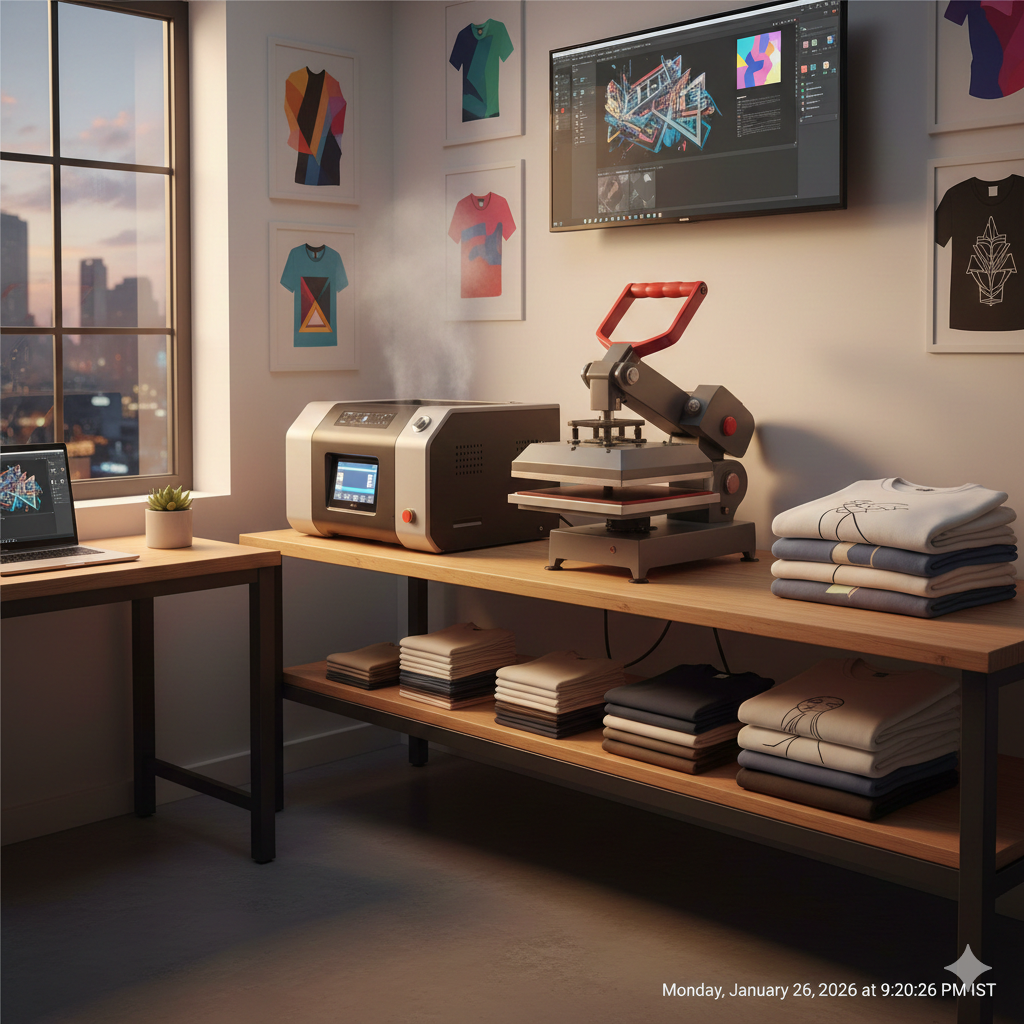
Each method has a place. Many smart businesses use more than one.
Future Predictions
The future of DTG Printing looks steady and practical, not flashy.
Expect:
- Faster industrial DTG printers
- Better fabric compatibility
- Lower ink costs
- More automation
AI-driven color management and automated pre-treatment systems are also coming. These will reduce human error and save time.
Research papers on ResearchGate suggest ongoing development in textile ink bonding and fabric treatment methods.
Business Opportunities
DTG Printing opens doors for many business models.
You can start:
- A print-on-demand brand
- A local custom t-shirt shop
- Corporate merchandise services
- Event-based live printing
Low inventory risk makes it attractive for beginners. You print only what sells.
Many startups begin with basic setups and scale by adding tools like heat presses, dryers, and better inks over time.
Conclusion
DTG Printing is not replacing traditional methods. Instead, it is becoming a strong partner in the garment printing world.
Its future lies in customization, sustainability, and smart production. While challenges exist, ongoing innovation continues to improve reliability and output quality.
For businesses focused on flexibility and quality, DTG Printing remains a smart investment for the years ahead.
Credit: Information references from Fespa, PrintIndustry, and other public sources.
Product Suggestions (from DTFshop.in)
- Professional DTG Printer
- DTG Pretreatment Machine
- DTG Textile Inks
- Automatic Heat Press Machine
- Textile Curing Dryer

LEAVE A COMMENT