
Sublimation – Ultimate Power Guide: Top 5 Questions Answered Clearly
Table of Contents
What It is and Why It Matters?
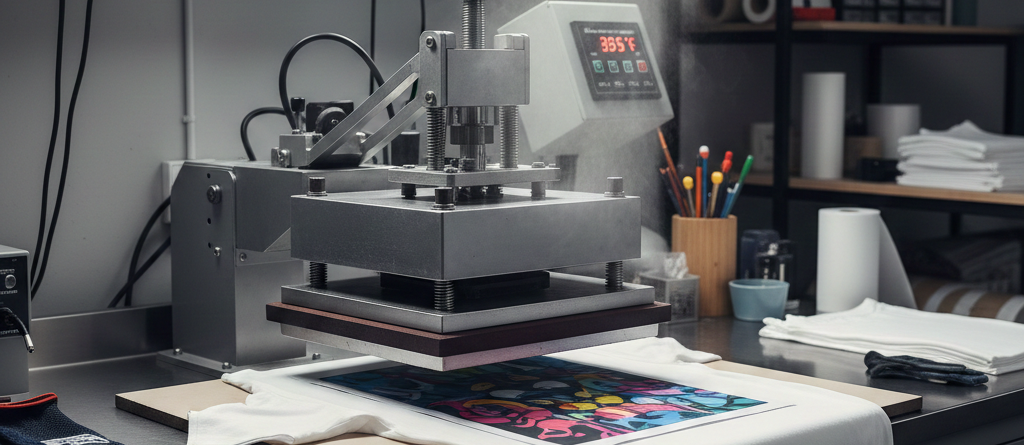
This is a printing method where ink turns into gas with heat and becomes part of the fabric or material instead of sitting on top. It matters because the print becomes permanent it doesn’t peel, crack, or fade easily.
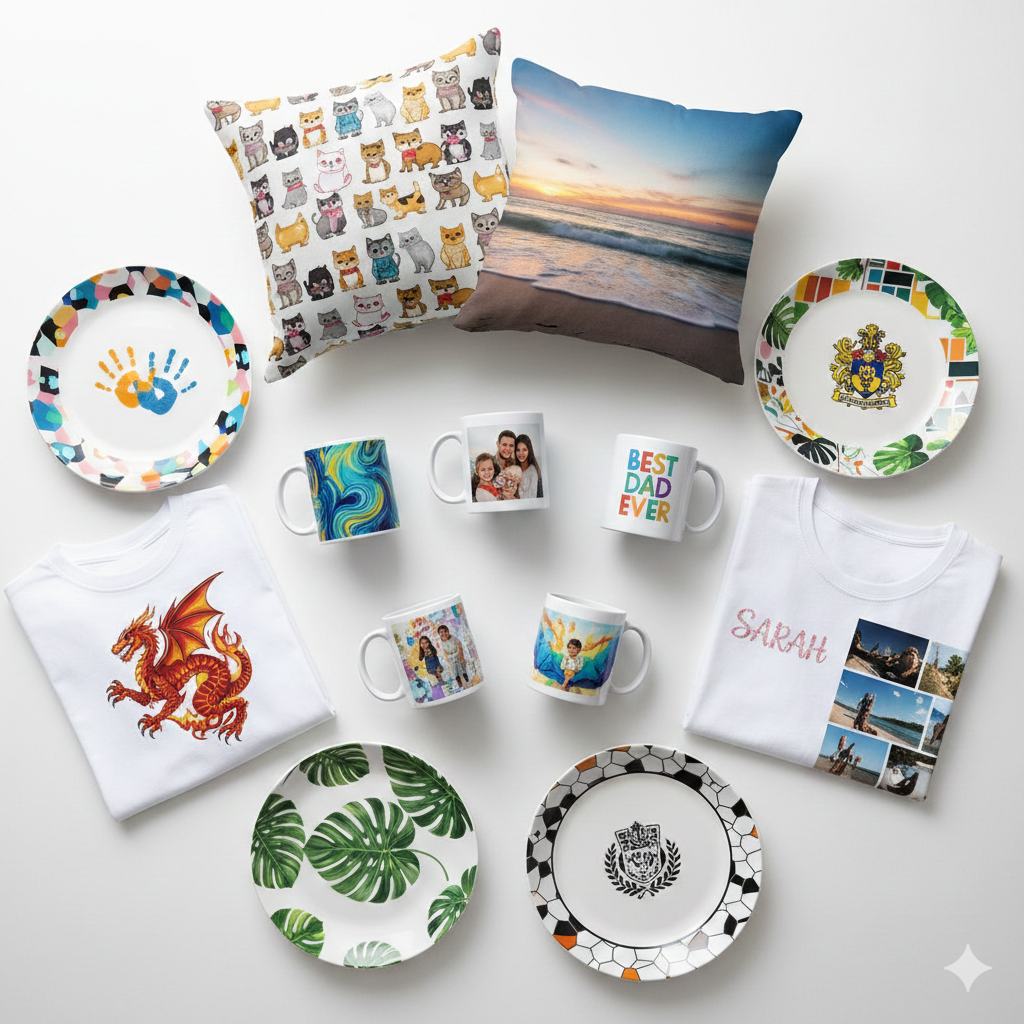
Today, sublimation is popular in t-shirt businesses, personalized gifts, home décor, sportswear, and custom merchandise. If you walk into any marketplace selling custom products, chances are most bright and long-lasting prints are made using sublimation.
Chat with our team for printers, consumables, film, powder and business setup guidance.
How It Works (Explained Simply)
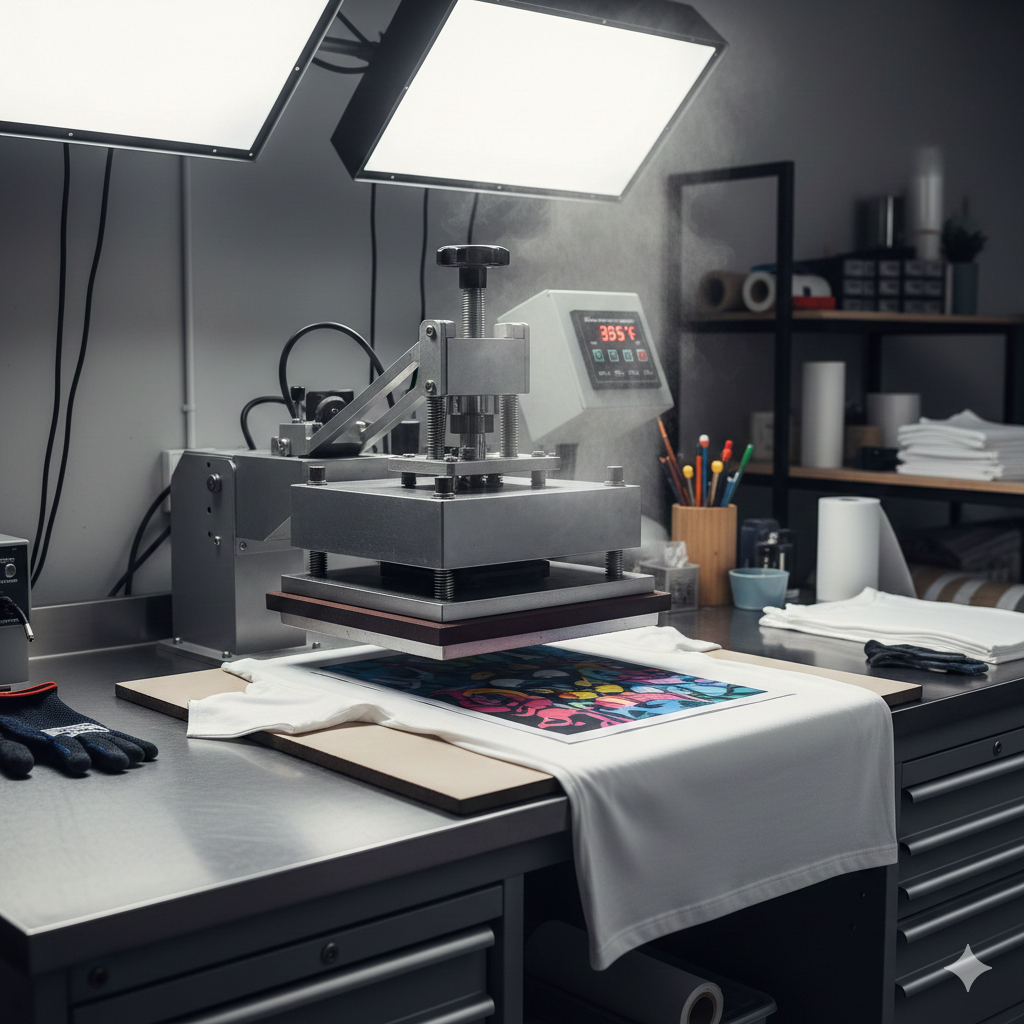
The science behind sublimation looks technical, but in reality, the process is simple:
- You print your design on sublimation paper using sublimation ink.
- The printed paper is placed on the fabric or blank product.
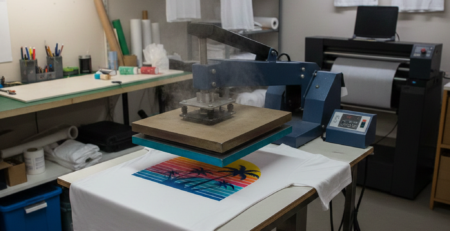
- A heat press applies temperature + pressure.
- Ink turns into gas and bonds with the surface.
- The design becomes permanent.
Unlike vinyl or screen printing, sublimation does not form an extra layer. It becomes part of the garment that’s why the feel remains smooth and breathable.
Benefits
People choose this Process because it offers advantages over traditional printing:
- Long-lasting prints
- High-definition colors
- No cracking or peeling
- Wash-safe results
- Works for multiple products (mugs, t-shirts, plates, frames)
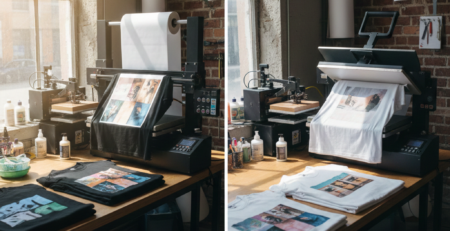
Small businesses love sublimation because you don’t need a huge setup to start. A single sublimation printer, heat press, and blanks are enough to begin selling custom products.
Sublimation Advantages (Focus Keyword Section)
Here are five direct advantages that make it unbeatable for print businesses:
| Feature | Sublimation | Standard Heat Transfer |
|---|---|---|
| Durability | Very high | Medium |
| Breathability | Fully breathable | Not breathable |
| Feel on fabric | Zero texture | Slight texture |
| Color range | Extreme vibrancy | Limited |
| Cost per print | Low | Medium |
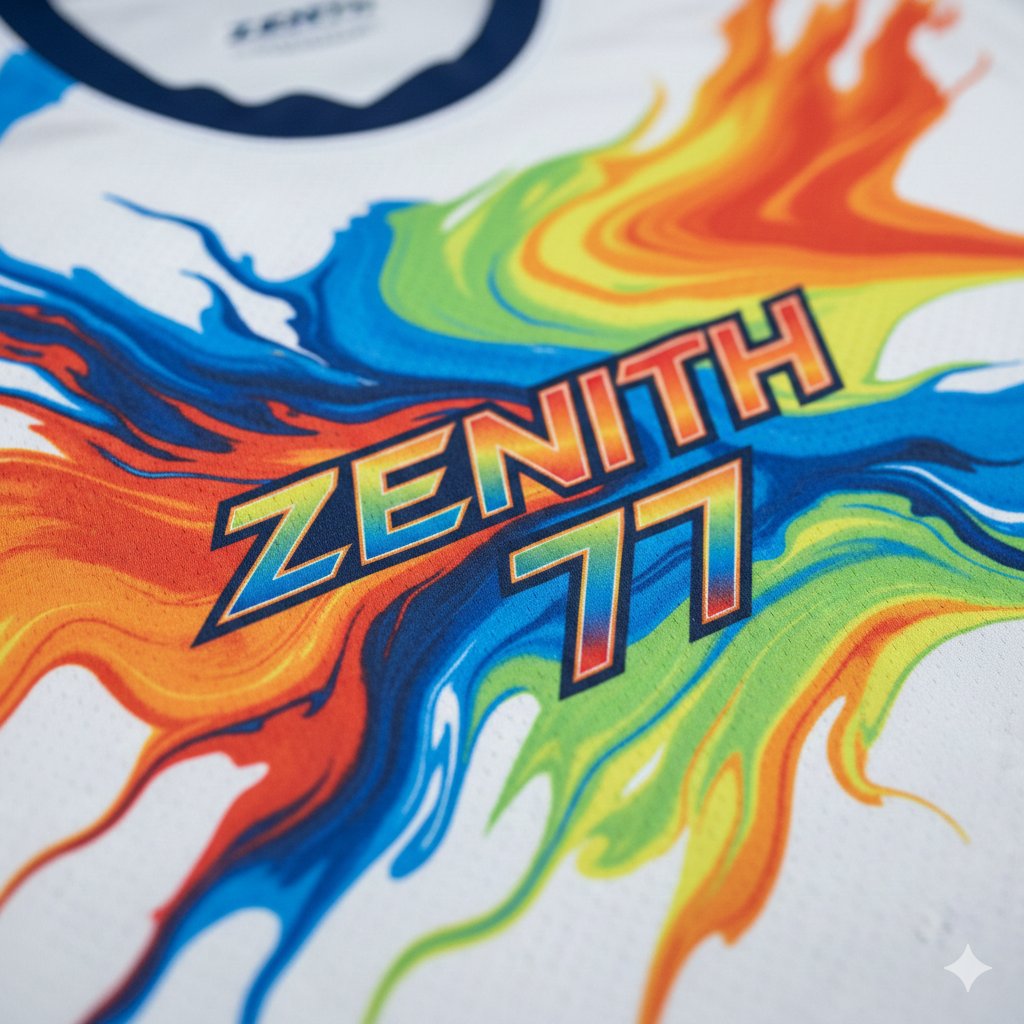
When someone orders a jersey with multiple colors and patterns, sublimation is usually the smartest choice.
Step-by-Step Guide
Here is a beginner-friendly workflow to print using this:
- Select a polyester or poly-coated blank.
- Design in CorelDRAW, Canva, or Photoshop.
- Print using sublimation ink on sublimation paper.
- Pre-heat the heat press for about 3–4 minutes.
- Position the print and tape the edges.
- Apply heat typically 180–200°C for 45–60 seconds.
- Remove paper while warm.
- Let the product cool naturally.
Tip: If you want super-sharp prints, make sure the garment is 100% polyester. Cotton gives dull results unless coated.
Common Mistakes to Avoid
Even experts slip sometimes. The most common mistakes in sublimation are:
| Mistake | Result |
|---|---|
| Wrong heat settings | Colors fade or burn |
| Cheap sublimation ink | Banding and color mismatch |
| Printing on cotton | Poor transfer quality |
| Not pre-pressing fabric | Moisture causes dull patches |
| Moving paper during heat | Ghosting or double image |
Print jobs become more successful when you track heat settings for each product. For example: mugs need slightly higher pressure than t-shirts.
Frequently Asked Questions
1. Can It work on cotton?
Pure cotton does not hold it well. Polyester or poly-coated fabrics work best.
2. Why do colors look dull before pressing?
The ink activates only after heat. Final print becomes much brighter.
3. Is It waterproof?
Yes. Since the design becomes part of the surface, water cannot wash it out.
4. Does It fade over time?
Not easily. With the right ink and paper, prints stay vibrant for many years.
5. Which is better vinyl or sublimation?
Vinyl gives a raised feel and works on any fabric. It gives smoother finish and very long durability but needs polyester.
Conclusion (Strong & Useful)
It is one of the most versatile printing techniques today. With the right paper, ink, and heat settings, you can create long-life prints that customers love from jerseys to mugs to home décor. Whether you’re starting a small business or improving your existing setup, It gives you the perfect balance of cost, durability, and creativity.
🔹 Product Suggestions Used in this Blog
🔹 External References + Credits
Information references from
Credit: Information references from Fespa, PrintIndustry, and other public sources.

LEAVE A COMMENT