
T-Shirt Printing Guide 2025: 7 Best Inks & Materials for Long-Lasting Results
Table of Contents
Introduction
T-Shirt Printing has become one of the most popular ways to start a small business, customize clothing, or launch a fashion brand. Whether you print for fun or profit, one thing matters the most using the right ink and the right material. Even a great design can fade or crack if the wrong combination is used.
In this guide, we will break down the best inks and fabrics for T-Shirt Printing in simple language. The goal is not only beautiful prints but also long-lasting results that withstand regular washing and daily wear.
Chat with our team for printers, consumables, film, powder and business setup guidance.
Popular Inks
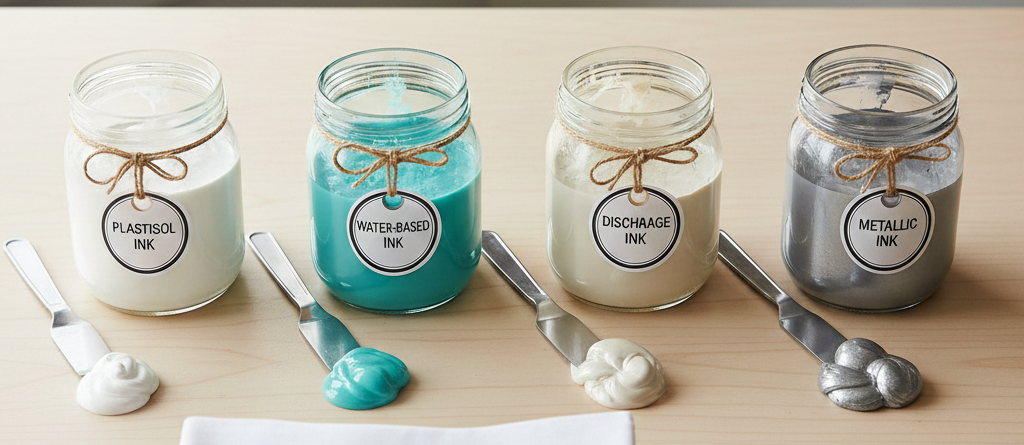
There are several types of inks used in T-Shirt Printing. Each ink has a different texture, durability, finish, and compatibility with fabric. Choosing the right one makes all the difference.
Plastisol Ink
Plastisol ink remains the most widely used option for T-Shirt Printing, especially in screen printing.
Why people love it:
- Thick and vibrant colors
- Stays on top of the fabric instead of soaking in
- Extremely durable ideal for commercial printing
Example: Sports uniforms and merchandise prints commonly use plastisol because they demand long-lasting results.
Water-Based Ink
Water-based ink is ideal when softness matters. It soaks into the fibers instead of sitting on top — great for summer clothing. If your customers love breathable T-shirts, water-based ink is a winner in T-Shirt Printing.
Why it’s popular:
- Perfect for summer T-shirts
- Eco-friendly option
- Smooth finish without plastic texture
Water-based prints look excellent on light-colored cotton garments. For easy DIY setups, Water-Based DTF Film Sheets are a great option because they capture details while keeping a soft hand feel.
Discharge Ink
Discharge ink chemically removes the dye from cotton shirts and replaces it with pigment. That gives a vintage, no-feel texture that people love. Many premium clothing brands use discharge ink in T-Shirt Printing for retro collections.
How it works:
- Removes (discharges) the dye of the T-shirt fabric
- Replaces it with the ink pigment
- Works best on 100% cotton dark shirts
This ink creates prints that feel like there’s no ink on the shirt perfect for retro fashion and premium apparel.

Specialty Inks (Glow-in-the-Dark, Metallic, Puff)
T-Shirt Printing becomes exciting when designs stand out. Glow-in-the-dark prints are popular for concerts and parties. Metallic finishes bring luxury and shine. Puff ink expands during curing, giving a 3D texture.
| Type | Highlight |
|---|---|
| Glow-in-the-Dark | Lights up in dark environments—perfect for night events |
| Metallic | Adds a shiny chrome effect for luxury prints |
| Puff Ink | Expands during curing to create a raised 3D texture |
Anyone experimenting with 3D or metallic finishes should check out:
These add personality to basic designs without expensive equipment.
Best Materials/Fabrics
After ink selection, choosing the right fabric is the next important step in T-Shirt Printing. The fabric decides color absorption, softness, and durability.
Cotton
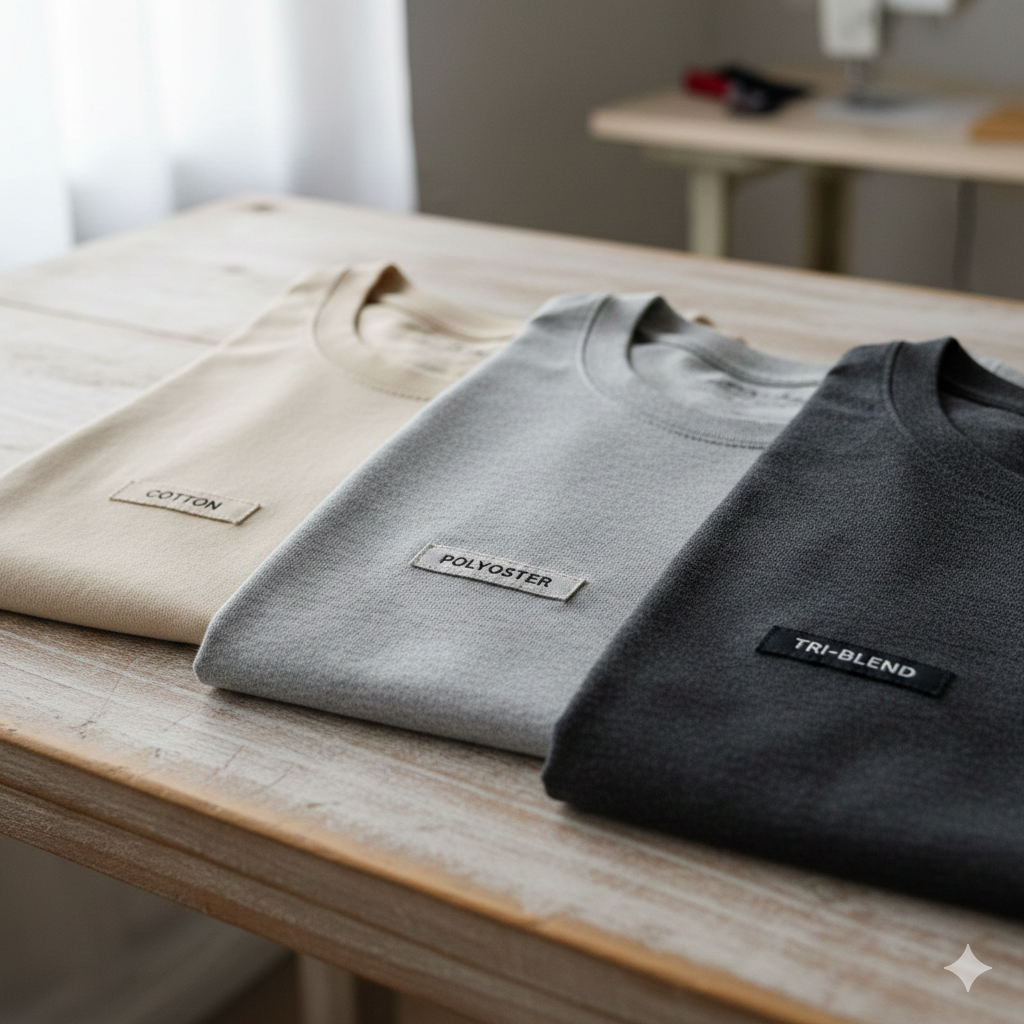
Cotton is king in T-Shirt Printing. It absorbs ink well and produces crisp results.
Pros:
- Breathable and comfortable
- Best for water-based, discharge, and plastisol inks
Fashion Example: Streetwear brands prefer cotton because it prints smoothly and delivers rich color.
Polyester
Polyester is common in sportswear and athleisure. Since it’s synthetic, not all inks bond easily. Plastisol works best because it blocks dye migration, making polyester safe for T-Shirt Printing.
Pros:
- Lightweight and quick-drying
- Retains shape longer than cotton
Important Tip: Water-based ink can bleed on polyester. Plastisol is usually preferred to control dye migration.
Blends and Tri-Blends
A blend mixes cotton and polyester. Tri-blends add rayon to the mix, giving shirts a premium softness.
Why brands like blends:
- Softer than 100% cotton
- Less shrinkage
- Perfect for fashion-fit printing
To print fine lines on blends, 🔵 High-Detail DTF Ink Set provides sharp results even on textured fabric.
Ink-Fabric Pairings
Choosing the correct pairing makes prints durable and bright.
| Fabric | Best Ink | Notes |
|---|---|---|
| Cotton | Water-Based, Plastisol, Discharge | Soft feel + bright colors |
| Polyester | Plastisol, Specialty Inks | Avoid dye migration |
| Blends | Water-Based + Additives | Fashion-fit finish |
| Tri-Blends | Low-Cure Plastisol | Gentle cure avoids fabric damage |
If you’re new to T-Shirt Printing and want a safe “works-on-everything” option, DTF technology (Direct-to-Film) has become popular because it transfers well to almost every fabric with strong durability.
Comparison Table
| Ink Type | Feel | Durability | Best Fabrics | Cost |
|---|---|---|---|---|
| Plastisol | Thick & bright | Very high | Cotton, Polyester | Medium |
| Water-Based | Soft, natural | Medium | Cotton, Blends | Low |
| Discharge | No-feel vintage | High | 100% Cotton | Medium |
| Specialty | Unique effects | High | All (depends) | Higher |
Conclusion
T-Shirt Printing isn’t just about cool designs the success depends on choosing the right ink according to the fabric. Plastisol is perfect for bold commercial results, water-based gives breathable softness, discharge is ideal for vintage prints, and specialty inks add finishing flair. The fabric is equally important because cotton, polyester, and blends react differently to heat and ink.
If you match your ink and fabric correctly, your prints will stay bright, stretchy, and durable even after many washes.
T-Shirt Printing becomes truly high-quality when the correct ink and fabric are paired together. Plastisol gives bright commercial-grade results, water-based offers softness, discharge creates vintage prints, and specialty inks add texture and glow. If your goal is long-lasting and comfortable prints, don’t pick ink randomly choose based on fabric. With the right pairing, T-Shirt Printing becomes reliable, profitable, and enjoyable.

LEAVE A COMMENT