
Sublimation Business – 10 Best Ways to Export Prints Successfully (Pro Edition)
How to Export Prints from Sublimation Business
What is Sublimation Business and Why It Matters?
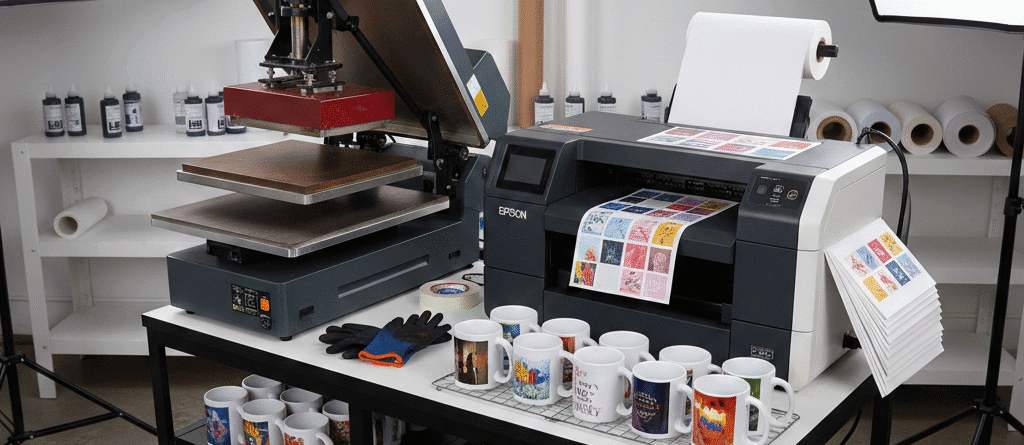
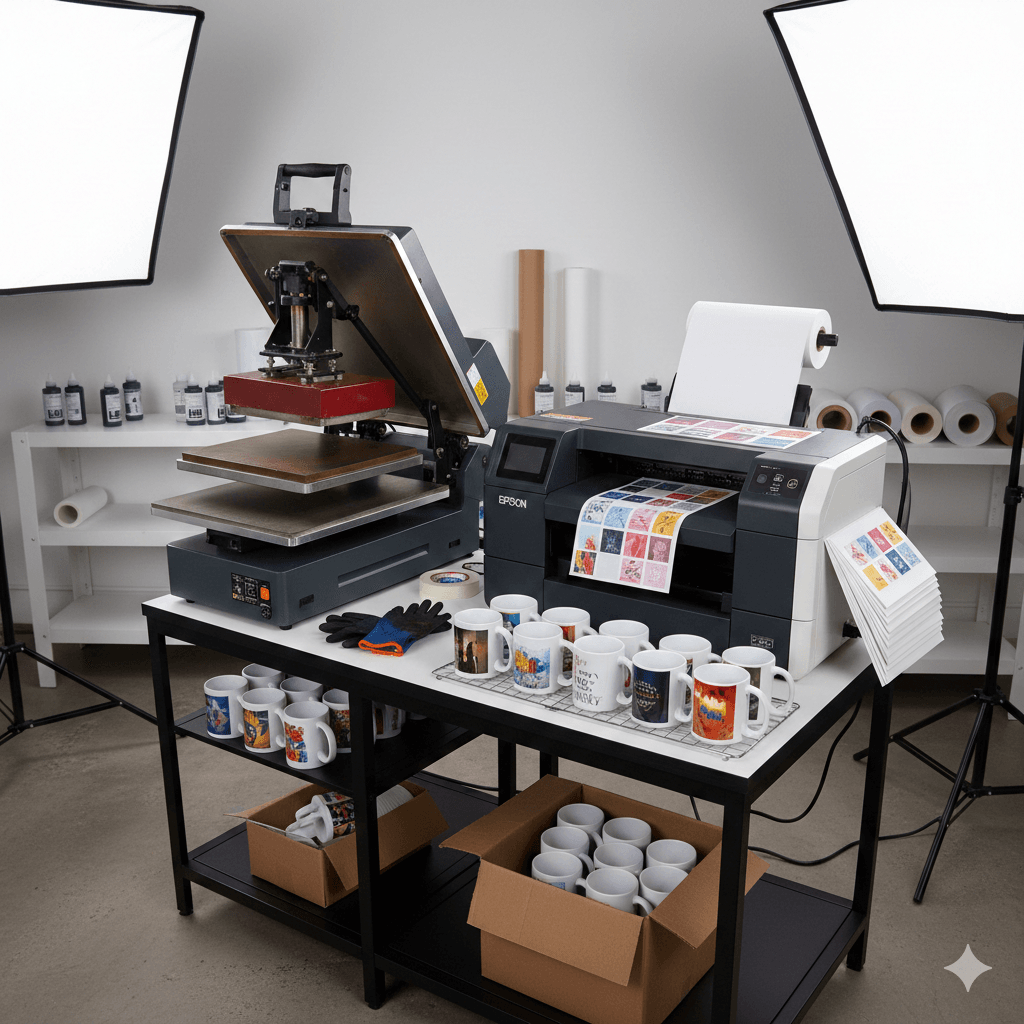
A sublimation business is a printing business model where designs are transferred to products like t-shirts, mugs, plates, keychains, and photo rocks using heat and sublimation ink. The prints don’t fade easily, and that’s why global demand keeps increasing.
Many businesses start selling locally but later realize that exporting sublimation prints brings better profits and bulk orders. Customers from countries like USA, Canada, UK, UAE, and Australia prefer high-quality Indian sublimation printing because the cost is lower and quality is strong.
If you want to earn more, exporting can transform your sublimation business into a full-scale global operation.
How It Works (Explained Simply)
Exporting sublimation prints is not as complicated as it sounds. Here’s the simple idea:
- Create high-resolution designs
- Print using sublimation ink and paper
- Heat press the design on the product
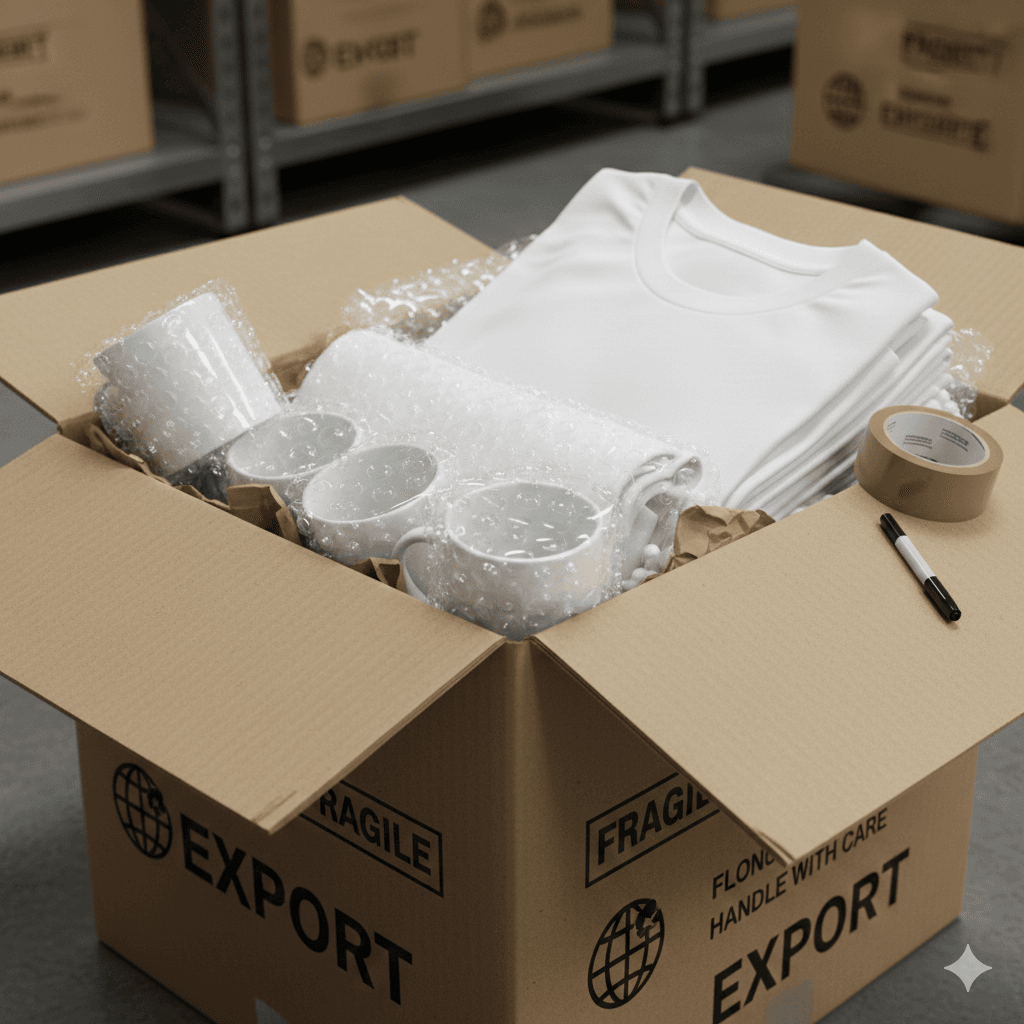
- Pack the product safely
- Ship using a courier export service
Once you do this 4–5 times, the process becomes routine. A professional workflow will help you scale your sublimation business fast.
Benefits of Using This Export Method
Exporting sublimation prints offers benefits that local selling rarely provides:
| Local Orders | Export Orders |
|---|---|
| Small quantity | Bulk quantity |
| Low profits | High profits |
| Seasonal | Year-round |
| Price-sensitive | Quality-focused |
With exports, customers look for quality, not the cheapest price. That means even small businesses can earn big by offering better craftsmanship.
Sublimation Business Advantages
There are many advantages when the sublimation business focuses on export printing:
- Quick production time compared to screen printing
- High profit margins per product
- Low investment needed to start
- Large demand in corporate gifting and events
- Easy customization for international customers
- No limitation of colors or design size
A business that normally earns ₹80,000 per month locally can go above ₹2–3 lakhs monthly if they add export printing orders.
Related Machines You Can Use
To increase export quality, many printers improve their setup using advanced machines. Some popular machines and supplies available at DTFshop.in include:
| Printing Need | Recommended Product |
|---|---|
| High-quality t-shirt sublimation | Epson L1800 DTF Printer |
| Bulk mug printing | Heat Press Machine |
| Long-lasting ink | Premium DTF Ink Bundle |
| Fine detail printing | Sublimation Paper Glossy A4 Pack |
| Large-scale business expansion | Fully Automatic DTF Printer |
These products help you achieve export-grade output without sounding promotional — they simply make production easier.
Step-by-Step Guide to Export Sublimation Prints
Whether you are selling on Etsy, Amazon, Instagram, or directly to wholesale buyers, the process is mostly the same.
1. Finalize the Product Design
Clients prefer proof images before placing orders. Use background mockups and a clear preview.
2. Choose the Printing Material
Examples:
- 100% polyester t-shirt for vibrant prints
- Polymer-coated ceramic mugs
- MDF photo frames
- Aluminum sublimation sheets
3. Calibrate Your Machine
Make sure color profiles match the order requirements to avoid shade issues.
4. Print and Heat Press
Use the correct heat, pressure, and time depending on the product:
- T-shirt: 190°–200°C for 40–50 sec
- Mug: 180°–200°C for 150–180 sec
5. Quality Check
Check for:
- Print alignment
- Color accuracy
- Scratches or dust
- Smooth surface
6. Packaging
For international shipping:
- Bubble wrap each product
- Add corner guards for frames
- Use hard carton boxes
7. Shipping and Documents
Export shipping partners you can use:
- DHL
- FedEx
- Aramex
- DTDC International
Documents generally required:
- Invoice
- Packing list
- Buyer’s address and contact details
To reduce shipping cost, send 10–20 items in a single carton instead of one product per shipment.

Common Mistakes to Avoid
A lot of new sublimation business owners make mistakes when handling export orders. Avoid these:
Using low-quality sublimation ink
Packing too loosely
Not mentioning fragile labels
Ignoring client color proofs
Not using moisture protection
A single damaged order can delay future orders, so invest time in packaging.
Frequently Asked Questions
Q: Do I need a big factory to start export printing?
No. A home-based setup can export if the product quality is consistent.
Q: Which products sell best in global sublimation markets?
T-shirts, mugs, aluminum frames, phone covers, and gift sets.
Q: Can I export even if I don’t have a GST number?
Yes. Single sample orders can be shipped without GST, but business exports need a GST number.
Q: How long does it take to earn good income?
Most printers see a clear jump within 2–4 months once they build repeat buyers.
Conclusion (Strong & Useful)
Exporting from a sublimation business is not about luck — it’s about quality, packaging, and smooth communication with buyers. Even a small printing setup can turn into a global supplier with the right workflow. If you stay consistent with design previews, strong quality checking, and safe packaging, your orders will repeat naturally.
External Expert References
Below are useful expert sites to improve knowledge and printing quality:
| Topic | External Site |
|---|---|
| Print materials & pricing | https://www.printindustry.com |
| Printing industry trends | https://www.fespa.com |
| Technical ink & machine info | https://www.inkjetinsights.com |

LEAVE A COMMENT