

Use an available credit card or digital payment method for automated payment proof, confirmation, invoice and order processing.
No 7.5% prepaid discount above ₹10,000. GST, payment fee and weight-based shipping apply as applicable.HOT
-8%




A3 DTF L18050 Printer with Module – Powerful & Compact DTF Printing Machine | ProlificGeeks
Original price was: ₹76,000.00.₹70,000.00Current price is: ₹70,000.00.
Reviews
4 customer reviews
Add review
Availability
In stock
Ready to order
DTFShop benefit
Save up to 7.9%
Product-price saving only; no prepaid discount above ₹10,000
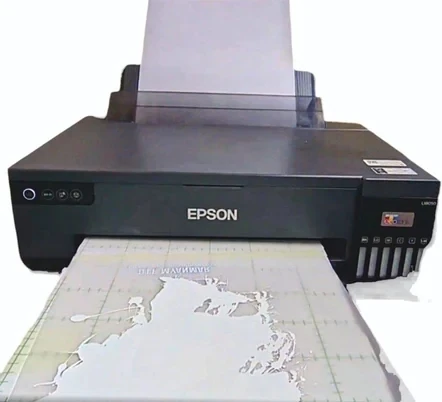
A3 DTF L18050 Printer is an L18050-based A3 DTF printer with the stated conversion module. The larger sheet format provides more artwork area than an A4 setup while retaining a compact converted-printer workflow.
A3 DTF L18050 Printer is an L18050-based A3 DTF printer with the stated conversion module. The larger sheet format provides more artwork area than an A4 setup while retaining a compact converted-printer workflow. The module and ink system distinguish it from a standard photo printer.
What you receive for the listed price
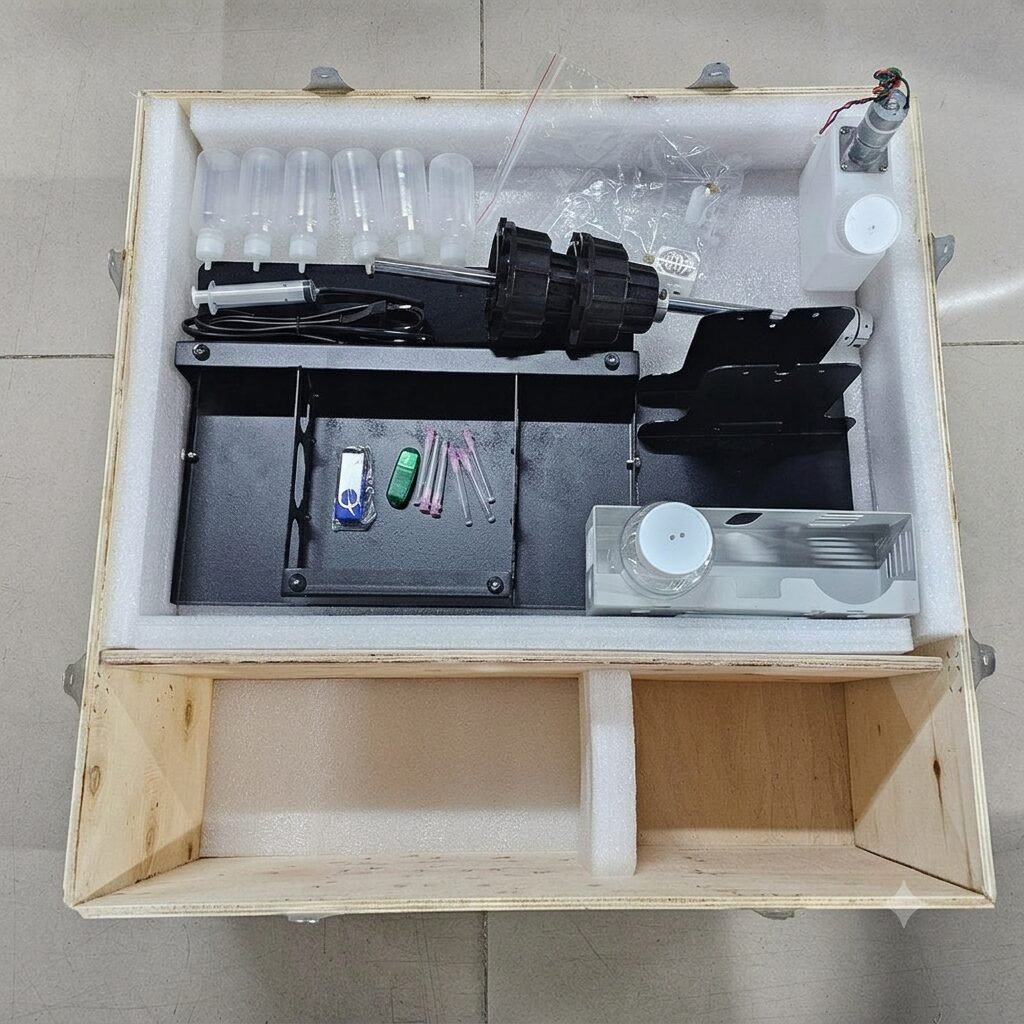
- The named printer with DTF conversion.
- 600 ml DTF ink, 1 kg adhesive powder and 100 PET film sheets in the supported sheet format.
- 500 g cleaner, one resetter, and a modified ink tank with connector.
- Free RIP software and six months of support.
- Oven not included. There is no hardware warranty on the converted printer; support is assistance, not warranty coverage.
Applicable taxes and shipping, where relevant, are shown at checkout. Gallery guides and demonstration equipment explain use; they are not additional supplied items.
GST invoice available / Shipping calculated at checkout / Product support
Payment Options
Order online with automated confirmation and flexible payment choices
Choose prepaid, COD where available, credit card, digital payment or eligible EMI assistance.
For high-value products, our team may verify your order, address and delivery possibility before dispatch.
COD availability depends on product, location and order confirmation.We can assist with EMI or credit-card payment link options where available.
Ask on WhatsApp
✓ Automated order confirmation and digital payment proof
✓ COD option where available and approved
✓ Credit-card, digital-payment and eligible EMI choices
✓ GST invoice, tracking and WhatsApp updates
✓ Eligible purchase rewards and promotional coupons by email
Note:
EMI may be available up to ₹5,00,000, subject to bank/card eligibility. Available payment methods are confirmed at checkout.
Frequently bought together
Ask expert
Complete your setup
Useful add-ons commonly paired with this product. Choose only what you need.
- Description
- Additional information
- Reviews (4)
Description
A3 DTF L18050 Printer — Overview and practical use
A3 DTF L18050 Printer is an L18050-based A3 DTF printer with the stated conversion module. The larger sheet format provides more artwork area than an A4 setup while retaining a compact converted-printer workflow. The module and ink system distinguish it from a standard photo printer.
What you receive for the listed price
- The named printer with DTF conversion.
- 600 ml DTF ink, 1 kg adhesive powder and 100 PET film sheets in the supported sheet format.
- 500 g cleaner, one resetter, and a modified ink tank with connector.
- Free RIP software and six months of support.
- Oven not included. There is no hardware warranty on the converted printer; support is assistance, not warranty coverage.
Applicable taxes and shipping, where relevant, are shown at checkout. Gallery guides and demonstration equipment explain use; they are not additional supplied items.
Production quality is a complete workflow
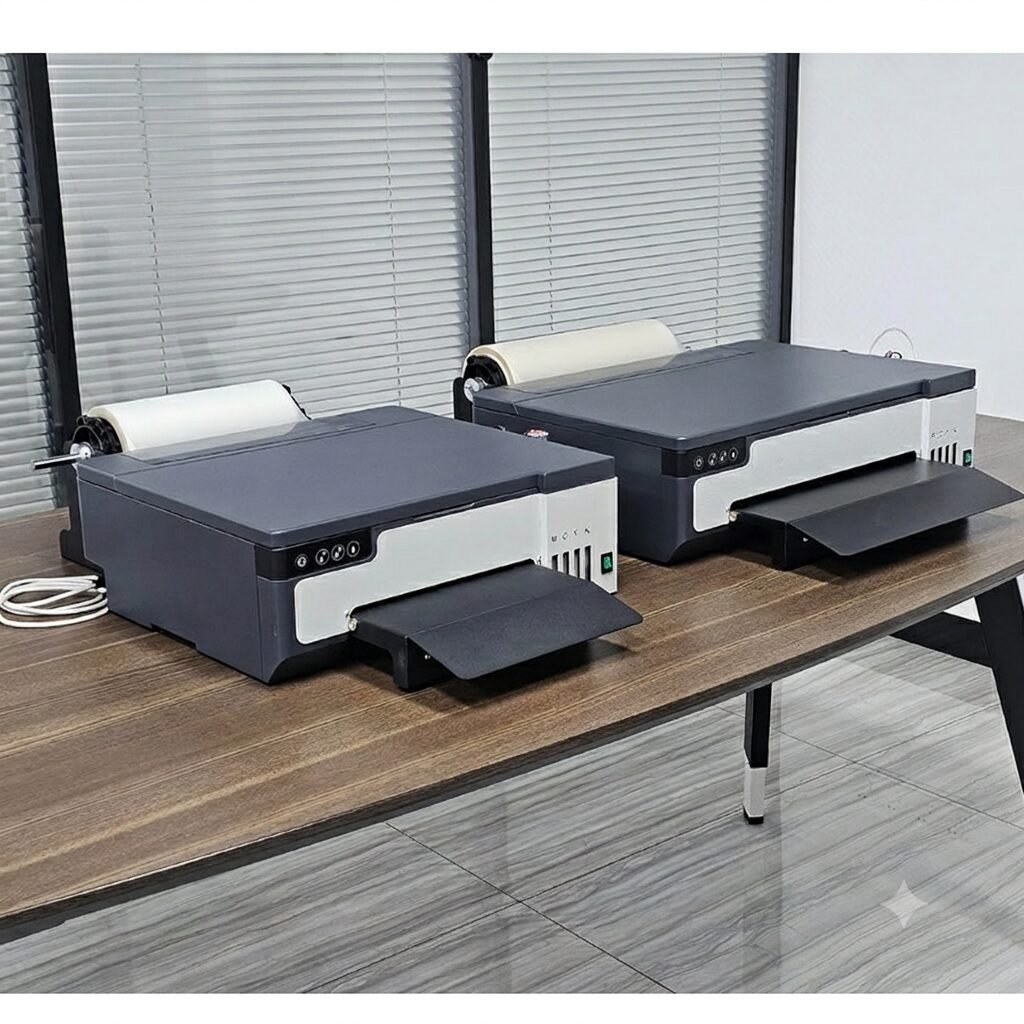
Assess a machine with representative artwork and the materials used for the intended jobs. Media transport, ink condition, software settings and the downstream process affect usable output. Head count or nominal media width alone does not establish a guaranteed production speed.
Daily use and practical checks
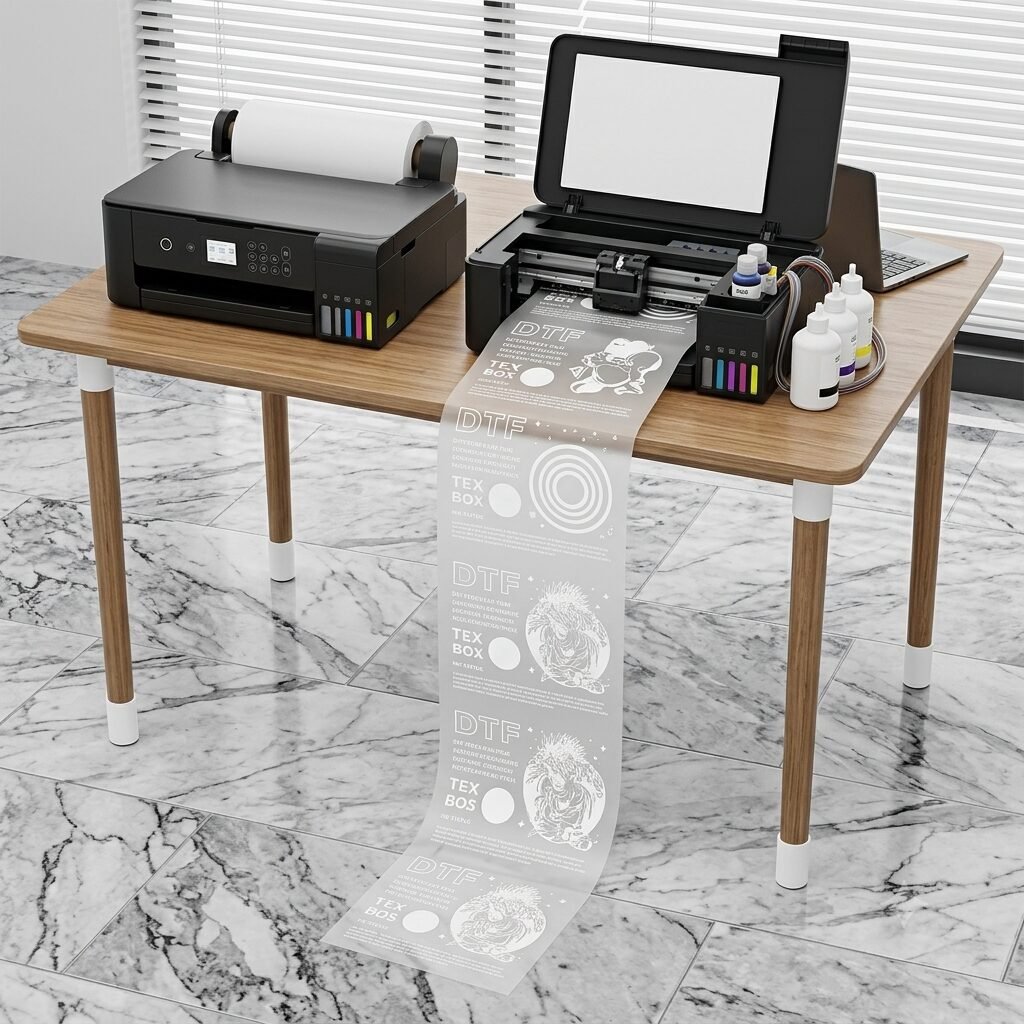
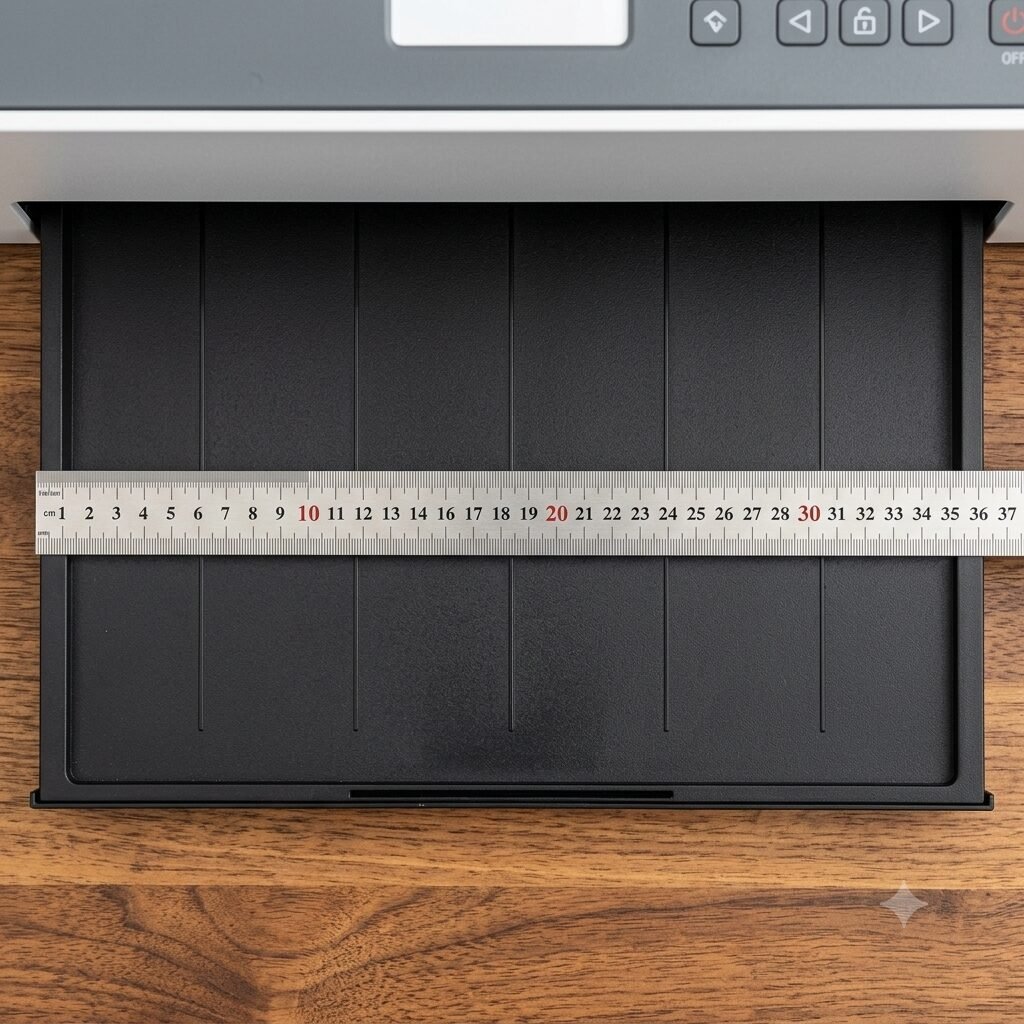
When working with A3 DTF L18050 Printer, plan the image around the real media margins and feed path. A3 artwork is useful only when printing, curing and pressing can all accommodate the selected transfer size.
Specifications and available options
| Brand / Conversion | DTFShop converted L18050 printer |
|---|---|
| Print Size | Up to 13 x 19 inch class |
| Common Film Size | 12 x 18 inch film sheets commonly used |
| Ink Included | 600 ml INKBANK premium ink |
| White Ink Circulation | Not included |
| Software | Desktop software 11.2 |
| ICC Profile | Included for color matching |
| Power Requirement | Approx. 60W; normal UPS is okay |
| Warranty | No warranty on base printer, printhead, motherboard and original printer parts |
| Printhead Warranty | No warranty |
| Recommended Use | Sample printing, learning, design proofing and small testing work |
| Not Recommended For | Heavy production or continuous bulk printing |
| Delivery | Pan-India delivery available |
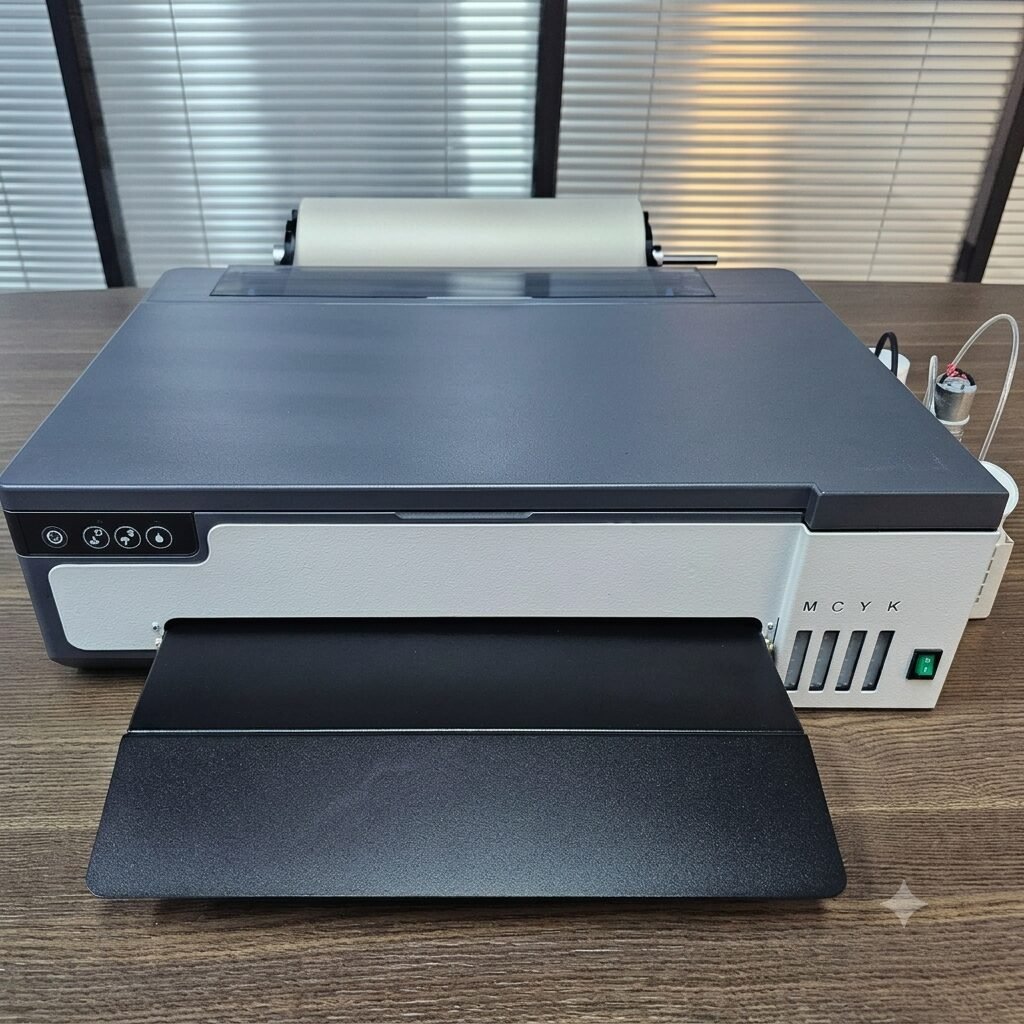
Operating the equipment consistently
For A3 DTF L18050 Printer, keep the supplied maintenance schedule, service access and work area in the daily routine. Record stable settings for each material combination. Use the machine documentation for electrical requirements, ventilation and installation rather than transferring values from a different model.
Building the production workflow around the machine
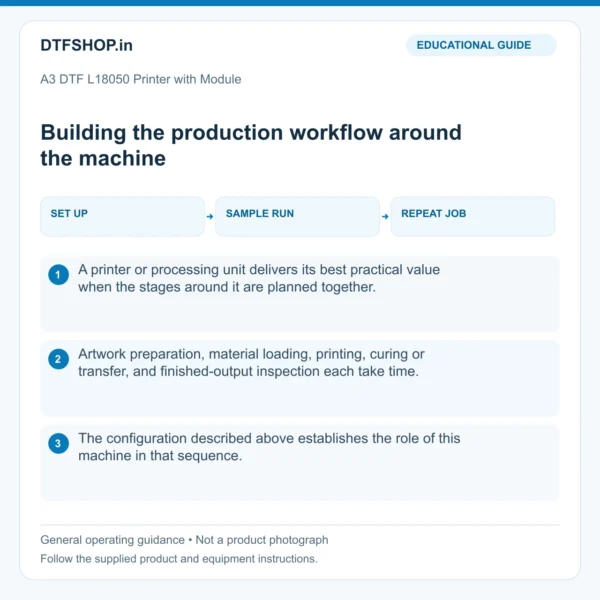
A printer or processing unit delivers its best practical value when the stages around it are planned together. Artwork preparation, material loading, printing, curing or transfer, and finished-output inspection each take time. The configuration described above establishes the role of this machine in that sequence. Nominal width, head count or platen arrangement are useful specifications, but they do not alone describe completed daily output.
Build the workflow around the actual jobs being produced, including the size of the designs, material changes and the time needed for setup and routine care between batches.
Artwork, output modes and usable quality
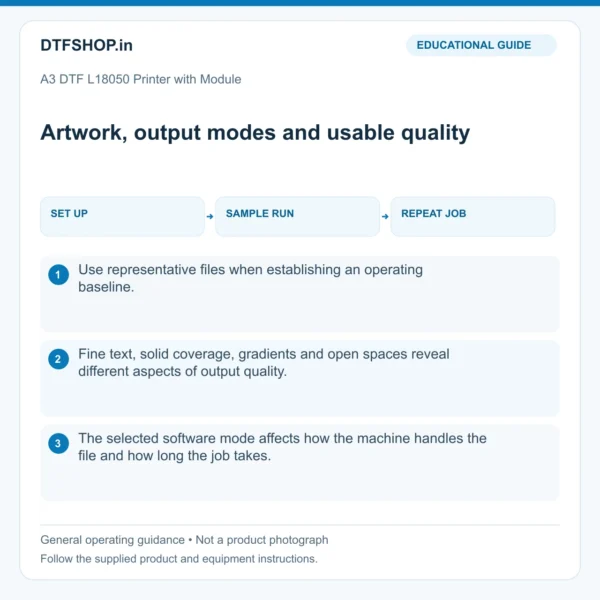
Use representative files when establishing an operating baseline. Fine text, solid coverage, gradients and open spaces reveal different aspects of output quality. The selected software mode affects how the machine handles the file and how long the job takes. Save the preset once an acceptable result has been established and retain the approved sample alongside it.
A demonstration file with sparse artwork is not a complete reference for a dense production design. For repeat work, keep the artwork version and intended finished dimensions clear so a later software or layout change does not become an unnoticed production difference.
Media handling and the working area
Material should enter the working zone in the position and condition required by the machine. Roll-fed equipment needs a supported path with consistent alignment, while a platen arrangement needs flat loading and suitable clearance around the item. Keep the operator's loading area, output area and maintenance access practical.
A machine that is awkward to load or clean can lose useful production time even when its printing stage is fast. Plan where consumables and finished work will be held so they remain protected from dust, accidental contact and unnecessary movement through the workshop.
Commissioning and establishing stable settings
Installation is the point at which the supplied configuration, materials and operating instructions should be brought together. Use the machine documentation for electrical requirements, service clearances, ventilation and any auxiliary equipment. Establish a stable baseline before trying to optimise throughput. Confirm the relevant checks for the machine, such as media tracking, nozzle condition, alignment, temperature control or consistent contact.
Record those results along with the working recipe. If a setting is later changed, retain the previous value and sample so the effect can be evaluated rather than relying on memory of how a job looked before the adjustment.
Maintenance as part of normal production
Routine care protects consistency and should have a place in the daily schedule. Clean the specified areas, maintain the relevant fluid or media systems and monitor the components identified in the supplied service instructions. Keep a simple log of maintenance, material changes and unusual observations. A recurring defect is easier to investigate when its timing can be compared with an ink change, cleaning event or new media batch.
Use the correct service method and consumables for the installed technology. Procedures intended for an aqueous garment-transfer printer, a sublimation machine and a UV system should remain distinct.
Assessing capacity with meaningful evidence
The useful capacity measure is accepted finished work in the quality mode required by the business. Include setup, handling, maintenance and the downstream process when estimating that capacity. Compare samples using the same artwork dimensions and acceptance standard. Record rejected output as well as successful output so a faster setting is not mistaken for a better production result.
When the workflow is stable, keep the configuration and approved process documented for other operators. This creates a realistic basis for repeat orders, material planning and support, while avoiding unsupported promises about output speed, unattended operation or compatibility with every application.
Recommended Add-ons from DTFShop
If you are buying an A3 DTF L18050 Printer, you may also need compatible DTF consumables and accessories depending on your workflow.
- Browse DTF inks, films, powders and printer consumables
- Check DTF product support and compatibility guidance
- Create a support ticket for product help
Helpful External Printer Care References
These external references are educational only. Always follow your actual printer setup, DTF ink compatibility and DTFShop guidance before changing printer maintenance routines.
Product video guides
Model demonstration / circulation check
Epson L18050 DTF White Ink Circulation Test Without Tape | Hindi
L18050 white-ink circulation demonstration. Exact supplied module installation is not shown.
Source: ProlificGeeks
Watch on YouTubePre-delivery test reference
Epson L1800 DTF Printer with Powder Shaker | Pre-Delivery Test
L1800 printer pre-delivery test method; different model from L18050. Does not certify the machine supplied.
Source: ProlificGeeks
Watch on YouTubeReference videos explain a method or related model. They do not certify your supplied machine, consumable batch or print results. Follow the exact product manual and recommended settings.
Practical questions
What is a useful production demonstration?
Use artwork and materials similar to the jobs you intend to sell. Inspect finished output, setup time and the downstream processing stage. Head count or nominal width alone does not establish usable production speed at your required quality.
What should the operator save for repeat jobs?
Keep the artwork version, print preset, material identity and approved finished sample together. Record routine maintenance and any setup changes. A known reference job helps distinguish a file change from a transport, ink or calibration problem.
Additional information
| Weight | 20 kg |
|---|---|
| Dimensions | 90 × 70 × 60 cm |






Simran Gill –
Good quality machine, sturdy build. The colors are bright and consistent . It’s a bit noisy but performance-wise, totally worth it for the price.
Sandeep –
The module is very efficient and saves so much time during print runs. Easy to handle.
Abhishek –
Got the DTF L18050 last week and prints look professional. The color balance is spot-on, and film feeding is smooth. Best value printer 👌.
Tanya Joseph –
Setup was easy and prints came out bright. Slight noise but print quality top-notch 👍.